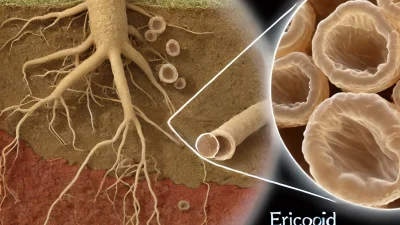

Tulasnella species are a special group of fungi known for their mycorrhizal relationships and symbiotic life with orchids.These fungi, which belong to the phylum Basidiomycota, are an integral part of forest ecosystems and play an important role in the natural life cycle of orchids.Thanks to the symbiotic relationships they establish with plant roots, they both support the nutrient uptake of plants and improve soil health.The genus Tulasnella can be found in different climatic zones around the world and has a critical role in preserving biodiversity.Here are all the details you need to know about Tulasnella species!Scientific Name and Other Names of Tulasnella Species The Tulasnella genus is scientifically classified under the Tulasnellaceae family of the Basidiomycota phylum.This genus of mushrooms is named after mycologist Charles Tulasne.Tulasnella species may also be referred to as “orchid mycorrhizal fungi” due to their symbiotic relationship, especially with orchids.This term is derived from the mutually beneficial symbiotic relationship that Tulasnella species establish with the roots of orchids.Orchid mycorrhizae have an important place in the life cycle of orchids.These fungi interact with the roots of the orchid throughout its life, starting from the germination of its seeds.Orchids cannot provide the necessary nutrients on their own during the germination phase and they need carbon sources provided by Tulasnella mushrooms in this process.Regions Where Tulasnella Species Occur Tulasnella species have a wide distribution area throughout the world.They are found under deciduous and coniferous trees in forest areas in temperate and tropical climates.Since these fungi establish a symbiotic relationship with orchids and other plant species, they are densely found in the areas where they spread.In Turkey, Tulasnella species can be found in the moist forest areas of the Black Sea Region and among the maquis vegetation of the Mediterranean Region.In areas where orchid species are common, the presence of these fungi also draws attention.The presence of Tulasnella mushrooms in these regions allows orchids to grow healthily in their natural ecosystems and supports biodiversity.Physical Characteristics of Tulasnella Species Tulasnella species are fungi with microscopic sizes and thin filamentous structures.They attach to plant roots and form threadlike structures called hyphae.Hyphae spread in and around plant roots and enable nutrient exchange between the plant and the fungus.Thanks to these structures, plant roots take in water and mineral substances more efficiently, while the fungus takes carbohydrates from the plant.When examined under the microscope, the hyphae formed by Tulasnella species are seen to have a thin and branched structure.The fact that the hyphae extend into the plant root cells ensures that the symbiotic relationship is firmly established.These hyphal structures, especially seen in orchid roots, help provide the necessary nutrients during the germination of orchid seeds.Spore structures of Tulasnella species generally develop in humid environmental conditions, and the spread of fungi is achieved thanks to these spores.Spores are microscopic in size and cannot be seen directly with the eye.However, thanks to the reproductive structures of the fungus, it is possible for them to reach different plant roots and establish symbiotic relationships.Growing Habitat and Season of Tulasnella Species Tulasnella species generally prefer moist, acidic and organic matter-rich soils. Thanks to their relationship with the root systems of orchids, they are especially densely found in forest understory ecosystems.The periods when these fungi actively develop are spring and autumn.During these periods, soil moisture increases and the symbiotic relationships of Tulasnella species with plant roots are strengthened.During the summer months, activity levels may decrease due to drought;However, they can survive in the soil during the winter months, thanks to their structure that is resistant to low temperatures.They can remain active all year round, especially in moist woodland areas.The Role of Tulasnella Species on the Ecosystem Tulasnella species play a major role in the healthy functioning of ecosystems in nature.Starting from seed germination of orchids, they improve plants’ access to water and nutrients and support their growth.These fungi expand the root systems of plants, allowing them to take in more water and minerals from the soil.They help plants use limited nutrients in the soil, especially phosphorus, more efficiently.The contributions of these fungi to the ecosystem are not limited to orchids.Tulasnella species contribute to the decomposition of leaf litter and dead plant material, accelerating the turnover of organic matter on the forest floor.This enriches the organic matter content of the soil and increases the biodiversity of the forest ecosystem.Thus, it maintains the long-term balance of forests by improving soil health.Agricultural and Economic Importance of Tulasnella Species Tulasnella species have great importance, especially in orchid production and cultivation.The symbiotic relationship established with Tulasnella species during the germination of orchid seeds plays a critical role in the survival and growth of these plants.In agricultural practices, orchid growers encourage the presence of these fungi, allowing the plants to grow healthily.Therefore, Tulasnella mushrooms have an important place in commercial orchid cultivation.In addition, the properties of Tulasnella species to improve soil structure can also be evaluated in organic farming and environmentally friendly agricultural practices.The ability of these fungi to preserve the natural structure of the soil and increase biodiversity contributes to the spread of sustainable agricultural practices.Interesting Information and Cultural Importance Tulasnella species are considered one of the hidden heroes of nature.Although they are microscopic in size, they play a critical role in the life cycles of orchids and other plants.Their ability to promote orchid germination has made these fungi a subject of interest to botanists and scientists.Historically, orchids and their growing conditions have long been considered mysterious.However, when the role of mycorrhizal fungi such as Tulasnella was understood in this process, research on orchid cultivation and plant symbiosis gained great momentum.In natural ecosystems, Tulasnella species have helped orchids survive for generations.This contributes to the preservation of the biodiversity of forest ecosystems.Tulasnella species have an indispensable place in preserving the natural balance with their symbiotic relationships with plants and their important roles in ecosystems.Their contributions to orchid cultivation help popularize natural fertilization methods in agricultural practices and support biodiversity in forest areas. Frequently Asked Questions What are Tulasnella species?Tulasnella species are mycorrhizal fungi that establish symbiotic relationships with orchids, allowing them to absorb water and nutrients more efficiently.It is frequently encountered in the Black Sea and Mediterranean regions of Turkey.What are the contributions of Tulasnella species to the ecosystem?These fungi accelerate the decomposition of organic matter on the forest floor, improving soil structure and promoting the growth of plants such as orchids.Which plants do Tulasnella species form a symbiotic relationship with?It establishes a symbiotic relationship especially with orchids and plays a critical role in the seed germination and growth processes of these plants.How are Tulasnella species used in agriculture?It supports seed germination and plant growth by being used in orchid cultivation, and can also be used to maintain the natural balance of the soil in organic farming practices.Why are Tulasnella species important for orchid cultivation?The presence of these fungi is of critical importance in orchid cultivation as they provide the necessary nutrients during seed germination of orchids…

Oidiodendron Species (Oidiodendron)
Oidiodendron species, among the soil fungi, are a group of fungi that establish special relationships with plant roots and support their…