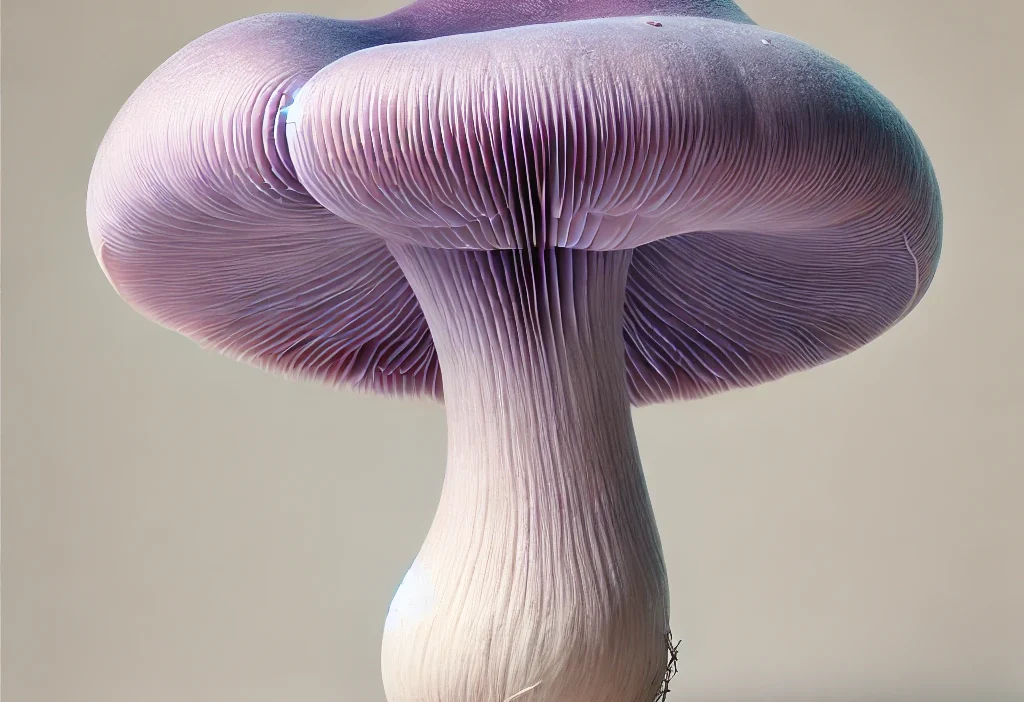
Pied Bleu mushroom, scientifically known as Lepista nuda, is a world-renowned mushroom species that draws attention with its purple and blue hat.It has a popular place especially in European cuisine with its unique taste and nutritional properties.This species, which can be collected both in the wild and grown as cultivated mushrooms, has a special place for mushroom enthusiasts.In this article, we will present a wide range of information about the Pied Bleu mushroom, from its characteristics to its growing conditions, cultural importance and consumption patterns.Scientific Name and Other Names The scientific name of Pied Bleu mushroom is Lepista nuda and it belongs to the Tricholomataceae family in the taxonomic classification.While it is known as “Pied Bleu” (blue foot) in French, it is also known as “Wood Blewit” or simply “Blewit” in English.It is also known as “Blue Hat Mushroom” or “Purple Mushroom” in Turkish.The word “Nuda” means “naked” in Latin and refers to the smooth, slippery cap structure of the mushroom.These names draw attention to the mushroom’s unique color tones and the way it grows.Pied Bleu Mushroom Occurrence Regions and Its Physical Characteristics Pied Bleu mushroom is found naturally in the forested regions of Europe, North America and Asia.It is a species that can be found in forest areas and moist soils in Turkey.It usually manifests itself in autumn and spring.Physically, the cap of this mushroom is 5 to 15 cm in diameter and has a bulbous structure when it is young and flattens as it matures.The color of the cap is in shades of purple and blue, but may become paler as it matures.There are purplish lamellae (stripes) at the bottom and a stalk in purple tones.The handle is very strong and full.These striking colors of the Pied Bleu mushroom play an important role in distinguishing it in nature.Growth Habitat and Season Pied Bleu mushroom grows on moist forest floors, in areas with deciduous trees.This species is often found among leaf litter under oak, beech and chestnut trees.It also thrives on dead leaves and rotting vegetation during spring and autumn.In terms of habitat, it prefers cool and humid climates.It can also be grown as a cultivated mushroom under controlled conditions by providing appropriate humidity and temperature.Yield can be increased by using compost, wood sawdust and other organic materials during cultivation.Pied Bleu Mushroom and Cultivation Techniques Cultivation of Pied Bleu mushroom gives successful results when special environmental conditions are provided.This mushroom, which is produced commercially, especially in Europe, is also grown by enthusiasts in our country.Fungal spores or mycelium are grown under suitable conditions by placing them on sterile compost or wood sawdust.Among the most important factors to consider during cultivation are adequate humidity and ideal temperature range.The most suitable temperature for Pied Bleu mushrooms is between 10-18°C.It can also be grown in autumn and winter as it is especially resistant to cold weather waves.In addition, it is important to pay attention to hygiene and sterility during the cultivation of this mushroom to prevent possible disease and mold formation.Health Benefits Pied Bleu mushroom contains many nutrients that are beneficial to health.This mushroom, which contains high amounts of protein and fiber, regulates digestion and helps accelerate metabolism.It is also rich in vitamins and minerals;It contains especially B vitamins, potassium and zinc.Thanks to its antioxidant properties, it provides a protective effect against free radicals and strengthens the immune system. The substances contained in Pied Bleu mushroom can also contribute to balancing the cholesterol level.Pied Bleu mushroom has a delicious and slightly sweet aroma.It offers a wonderful taste, especially when sautéed and cooked with butter and garlic.It can also be used in soups, stews and pasta recipes.Thanks to its meaty structure, it can also be preferred as a meat alternative in vegetarian and vegan dishes.It can also be stored dried and then used in meals by soaking in water.Although its blue and purple color fades slightly during cooking, it adds a pleasant aesthetic to the plate.Interesting Information and Cultural Importance Pied Bleu mushroom has an important place especially in French and Italian cuisine.This mushroom, sold in markets in France under the name “Pied Bleu”, is often found on the menus of gourmet restaurants.It is known as an indispensable part of local dishes, especially in the Provence region.In Italy, it is called “Funghi Prugnoli” and is collected from forest areas and brought to the table.While this mushroom has been in the gastronomy culture of Europe for many years, it is also considered among the medicinal plants.It is popularly seen as a natural support due to its immune-boosting and energizing effects.Things to Consider in Pied Bleu Mushroom Cultivation In Pied Bleu mushroom cultivation, using a clean environment and the right materials is the key to success.First, the compost in which the mushrooms will be grown must be clean.In addition, temperature and humidity control should be ensured during production and the mushrooms should not be exposed to direct light.Good air circulation positively affects the growth process of the fungus.Problems that may be encountered during production include bacterial infections and mold growth.Therefore, it is of great importance to pay attention to hygiene rules.Recipes Made with Pied Bleu Mushroom You can prepare many delicious recipes with Pied Bleu mushrooms.Here are some suggestions:
- Pied Bleu Mushroom Creamy Pasta: You can make a delicious pasta sauce by mixing sautéed Pied Bleu mushrooms with cream and parmesan cheese.
- With Blue MushroomsSoup: Soup made by boiling onions and potatoes,It offers a hot alternative on cold days.
- Pied Bleu Mushroom Saute: You can prepare a quick and practical snack by sautéing it with olive oil, garlic and spices.
Where is Pied Bleu Mushroom?For sale? You can find Pied Bleu mushrooms in big cities in Turkey.It is possible to find it in gourmet markets and mushroom sales points.In addition, with the increasing demand in recent years, it is also sold on online shopping sites.This mushroom, which can be obtained as fresh, dried or mycelium, offers different options for those who want to cultivate mushrooms.Mushroom production kits and seeds can be easily found on online shopping sites.Frequently Asked Questions About Pied Bleu Mushroom What is Pied Bleu Mushroom?Pied Bleu mushroom, whose scientific name is Lepista nuda, is a type of mushroom known for its cap in shades of purple and blue.How to grow Pied Bleu mushrooms?This mushroom grows in moist forest areas and can also be grown in culture.Appropriate temperature and humidity conditions must be provided.In which dishes are Pied Bleu mushrooms used?It is widely used in sautéed dishes, creamy sauces, soups and casseroles.Is Pied Bleu mushroom useful?Yes, it supports digestion and strengthens the immune system with its high protein and fiber content. However, care should be taken not to confuse it with similar poisonous species.Are Pied Bleu mushrooms found in Turkey?Yes, it can be found in markets and online stores during certain periods.Pied Bleu mushroom is a type of mushroom that makes a difference in kitchens with its unique color and taste.This mushroom, known as Lepista nuda, stands out with its fascinating appearance in natural habitats and its health benefits.When correct cultivation methods are used, it offers an ideal option for preparing delicious meals and eating healthy.For mushroom enthusiasts, the Pied Bleu mushroom is both delicious and worth exploring…