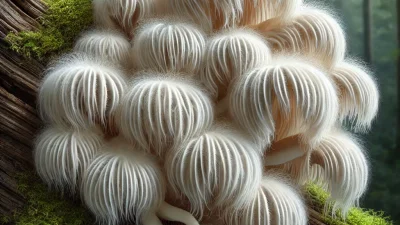

Oyster Mushroom, scientific name Pleurotus ostreatus, is a type of mushroom that is widely found in nature and is frequently preferred in kitchens for its taste.Its easy cultivation and many health benefits have made this mushroom an indispensable part of not only kitchens but also healthy lifestyle trends.In this article, we will discuss the characteristics, growing conditions, cultural importance and benefits of Pleurotus ostreatus in detail.Scientific Name and Other Names The scientific name of Oyster Mushroom is Pleurotus ostreatus.The word “pleurotus” comes from the combination of the words “pleura” meaning side and “otus” meaning ear, referring to the tendency of the fungus to grow sideways.“Ostreatus” was given because of its oyster shape.This name is widely used because the shape of the mushroom resembles a sea clam.Oyster Mushroom is known as “Oyster Mushroom” in English and is a popular cultivated mushroom around the world.Regions Where Oyster Mushroom Occurs Pleurotus ostreatus has a wide distribution area throughout the world.It is found naturally in forested areas in North America, Europe, Asia and Africa.In Turkey, it can grow spontaneously in forest areas, on tree trunks or in rotten wood in the Black Sea, Aegean, Marmara and Mediterranean regions.This fungus prefers particularly humid and temperate climates and grows by breaking down organic matter in rotting parts of trees.Physical Characteristics and Identification The unique physical structure of Pleurotus ostreatus makes it easy to recognize in nature.Its appearance and texture are the main features that distinguish it from other types of mushrooms.
- Hat Part: Its hat is semi-circular and oyster-shaped.The diameter of the hat can vary from 5 to 25 cm.When young, its edges are slightly inverted, and as it matures, it becomes flat.
- Color: The cap color may be in shades of white, grey, brown or blue, depending on the environmental conditions where the mushroom grows.While young mushrooms are darker in color, their caps turn lighter as they mature.
- Stem and Lamellar: The stem part is short and thick.The lamellae (thin lines on the underside) of the mushroom vary from white to cream in color and extend towards the brim of the hat.
- Texture: It has a fleshy and soft structure, with a light texture and intense flavor when cooked..
These features enable Oyster Mushroom to be recognized and distinguished in nature and in the cultural environment.Growing Habitat and Season Oyster Mushroom grows in humid and cool climates, especially in forested areas with deciduous trees.This type of fungus is found on the trunks or branches of dead or decaying trees such as oak, beech, and poplar.Oyster Mushroom grows by breaking down decaying organic matter and in this process contributes to the return of environmentally beneficial organic components to the soil.In terms of growing season, Oyster Mushrooms are most commonly found in the natural environment during spring and autumn.However, year-round production is possible in greenhouses and controlled environments.Oyster Mushroom, which is grown culturally in Turkey, is a species suitable for both commercial production and small-scale cultivation at home.Oyster Mushroom Benefits Pleurotus ostreatus is a nutritious mushroom species that offers many benefits in terms of healthy living and nutrition.It provides supportive effects against many health problems thanks to the high protein, fiber, vitamins and minerals it contains. Thanks to the amount of protein it contains, it helps maintain and grow muscle mass.
- Sautéed and Fried Dishes: It can be consumed as a delicious side dish or main course by lightly sautéing with olive oil or butter.
- Soup andStews: It can be added to soups and stews to provide a rich flavor and nutritional value.
- Grilling and Baking: Oyster Mushrooms cooked in the oven or on the grill become a delicious main dish when flavored with light spices.
- Pasta and Noodle Recipes: In Asian cuisine, it is frequently added to noodle dishes and served with pasta.
Cultivation and Cultivation in Turkey Cultivation of Oyster Mushroom in Turkey has become widespread in recent years and has become a commercially important sector.Mushroom cultivation is done in specially prepared mushroom composts or straw bales.For small-scale production at home, mushroom mycelia (seeds) can be used and production can be carried out in plastic bags.Oyster Mushroom cultivation offers an economical option due to its low investment cost and the ability to produce products in a short time.Turkey’s humid and temperate climate conditions provide suitable environments for the cultural cultivation of this mushroom.Interesting Information and Surprising Facts
- Oyster Mushroom is a species that contributes to environmental cleanliness in nature and has the potential to clean some pollutants from the structure of the soil.
- This mushroom, which has been consumed in Asia for thousands of years, has become popular in the West over the last few decades.
- Due to its high protein content,It is also preferred by athletes as a source of energy and protein.
- Oyster Mushroom has been the subject of investigation in scientific research due to its positive effects on the fight against cancer and the immune system.
The Ecological Role of Oyster Mushroom and its Effect on the EnvironmentContribution Pleurotus ostreatus makes important contributions to the ecosystem by playing a role in the breakdown of dead or decaying trees. Additionally,It is also used in environmental cleaning projects thanks to its potential to break down some soil pollutants.Frequently Asked Questions About Oyster Mushroom In which regions does Oyster Mushroom grow?Oyster Mushroom grows naturally in the forested areas of North America, Europe, Asia and Africa.It can be found in the Black Sea, Aegean, Marmara and Mediterranean regions of Turkey.What are the health benefits of oyster mushrooms?It has effects that strengthen the immune system, lower cholesterol, provide antioxidant properties and support the digestive system.It is a good source for healthy nutrition with its high protein content.How to cook oyster mushrooms?It can be consumed sautéed, grilled, used as soup or baked in the oven.Does oyster mushroom have side effects?It is generally considered safe, but people with mushroom allergies should consume it with caution.Excessive consumption may cause digestive problems in some people.How should oyster mushrooms be stored?Fresh Oyster mushrooms can be stored in the refrigerator for 1 week.It lasts longer when dried in airtight containers.How to grow oyster mushrooms?It is grown in special mushroom composts or straw bales.In Turkey, there are suitable environments for commercial and home cultivation in humid climate conditions.Pleurotus ostreatus (Oyster Mushroom) is a type of mushroom that stands out with its taste, nutritional value and easy cultivation.This mushroom, grown in its natural environment and culturally, offers an ideal alternative for those looking for a healthy diet and delicious food.Oyster Mushroom, which has an important place in both traditional cuisines and modern health practices, is a nutritious food that deserves to be on your tables…