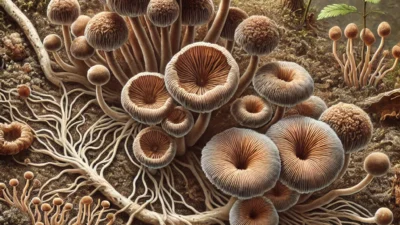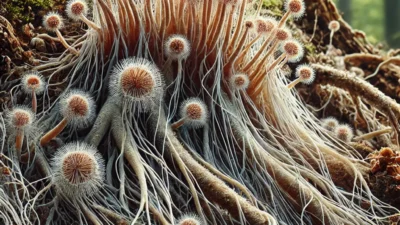
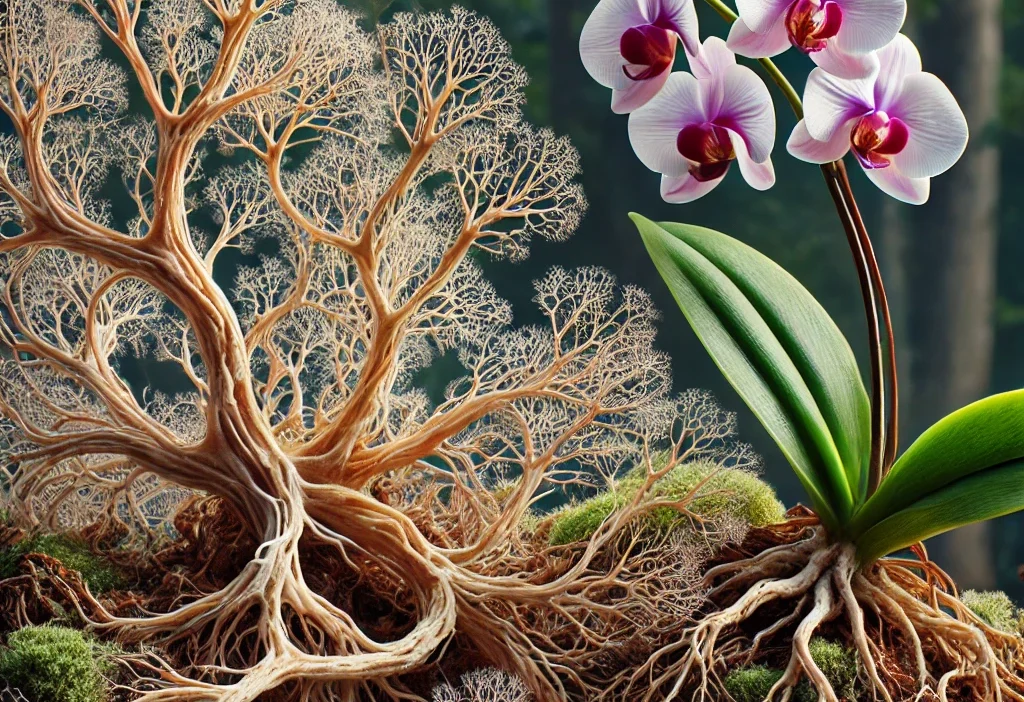
Orchid mycorrhizal fungi are a special group of fungi that establish a symbiotic relationship with orchid plants and enable them to germinate and grow from seeds.These fungi work closely with orchids, which are especially common in tropical and temperate climates, to provide them with the water and nutrients necessary for their survival and development.Because orchids depend on mycorrhizal fungi in their natural habitat, the presence of these fungi is critical to the sustainability of orchid populations.Here are all the details you need to know about Orchid mycorrhizal fungi!Scientific Name and Other Names of Orchid Mycorrhizal Fungi Scientifically, Orchid mycorrhizal fungi consist of various species belonging to the Basidiomycota and Ascomycota phyla.These fungi belong to genera such as Rhizoctonia, Ceratobasidium, Tulasnella and Sebacina.They are called “orchid mycorrhizal fungi” because they establish a close symbiotic relationship with orchids belonging to the Orchidaceae family.This diversity of orchid mycorrhizal fungi allows them to establish specific symbiotic relationships with different orchid species.Each type of fungus can be compatible with a particular type of orchid and plays a vital role in many processes, from their germination to the growth stage.Regions Where Orchid Mycorrhizal Fungi Occur Orchid mycorrhizal fungi are widely found in different climates around the world, especially in tropical, subtropical and temperate climates.These mushrooms are also common in places where orchids grow naturally.They spread over a wide geography, from rainforests to regions with a Mediterranean climate.While they are found in rich sub-forest ecosystems in tropical regions, they are also seen in the lower layers of forest areas in temperate regions.In Turkey, Orchid mycorrhizal fungi are found in various regions where orchids naturally spread.The moist forest areas of the Black Sea Region and the maquis and bush areas of the Aegean and Mediterranean are among the natural habitats of these mushrooms.In these regions where orchids bloom, the presence of Orchid mycorrhizal fungi is of vital importance for the germination of seeds and the healthy growth of plants.Physical Characteristics of Orchid Mycorrhizal Fungi Orchid mycorrhizal fungi are fungi that form thin, threadlike structures called hyphae in microscopic size.These hyphae penetrate deep into the orchid roots and establish a symbiotic relationship with the orchids.By creating a network inside the orchid roots, the fungus spreads into the plant cells and makes direct contact with them.This process enables the fungus to transport water and mineral substances to the plant, and the plant to provide organic carbon to the fungus.Unlike other plants, orchid seeds do not have enough energy and nutrients on their own to germinate.Therefore, Orchid mycorrhizal fungi play a critical role in the germination process of seeds.Mushrooms enter the root cells of orchid seeds, providing the necessary nutrients and allowing the seeds to grow.When examined under the microscope, the hyphal structures of Orchid mycorrhizal fungi are branched and tightly connected between cells.This structure allows the fungus to effectively exchange nutrients within plant roots.The fine structure of hyphae supports the growth of the plant by facilitating the movement of water and nutrients within the soil.Growing Environment and Season of Orchid Mycorrhizal Fungi Orchid mycorrhizal fungi prefer moist and acidic soils rich in organic matter. They are mostly found in forest areas, where orchids grow naturally.The periods when orchid mycorrhizal fungi are most commonly seen are spring and autumn, when there is abundant rainfall.During these periods, soil moisture increases and the growth and reproduction processes of fungi accelerate.In summer, their activities may decrease due to drought;However, they become active again with autumn rains.The sheltered structure of these fungi in the soil allows them to survive even during periods of low temperatures.The Role of Orchid Mycorrhizal Fungi on the Ecosystem Orchid mycorrhizal fungi play a critical role in the healthy functioning of forest ecosystems and the survival of orchids.These fungi support the germination of orchid seeds and the growth of young plants, thanks to the symbiotic relationships they establish with orchid roots.The life cycle of orchids in nature largely depends on the presence of these fungi.The nutrients and energy that seeds need during the germination process are met by the nutrients carried by the fungi to their root cells.Another important contribution provided by orchid mycorrhizal fungi is their ability to improve soil structure and increase water retention capacity.These fungi create hyphal networks in the soil, allowing water and nutrients to be transported more effectively to plant roots.This process facilitates orchids’ access to water and ensures their survival, even during dry periods.The presence of these fungi in forest ecosystems supports biodiversity.In their natural habitat, orchids provide habitat for many insects and other plant species.With the support provided by orchid mycorrhizal fungi, these plants grow healthily and contribute to the existence of other species in the ecosystem.Agricultural and Economic Importance of Orchid Mycorrhizal Fungi Although Orchid mycorrhizal fungi are not used directly as an agricultural product, they are of great importance in terms of orchid cultivation and conservation of biodiversity.In orchid production, the presence of these fungi plays a critical role in the germination of seeds and the growth of young plants.By using soils where these fungi naturally occur, orchid growers can increase the germination rate of seeds and obtain healthier plants.In order to protect orchid species and maintain biodiversity, it is important for these fungi to continue their existence in natural ecosystems.These fungi ensure the spread of orchids in nature and keep their populations in balance.In addition, the contributions of these mushrooms are valuable for the sustainable management of forest ecosystems and the preservation of natural cycles.Interesting Information and Cultural Importance Orchid mycorrhizal fungi have an important place in understanding the subject of plant-fungus symbiosis in the scientific world.By studying the relationships of these fungi with orchids, mycologists have gained a better understanding of the effects of symbiotic processes on plant growth.The role these fungi play in the germination of orchid seeds has been a major discovery for plant biology and ecosystem management.Culturally, orchids and their mycorrhizal relationships have been viewed in many societies as a symbol of the mysterious workings of nature.Particularly in Asian cultures, orchids and their growth processes symbolize the intricacies of nature and the cycle of life.In regions where orchid cultivation is popular, the ecological benefits provided by these mushrooms are also greatly appreciated. The close relationships they establish with plant roots provide vital support for orchids at all stages from seed to adult plant.Understanding the role of these fungi in ecosystems offers a great opportunity for sustainable orchid cultivation and nature-friendly ecosystem management.Where are the regions where orchid mycorrhizal fungi are seen?These fungi are common throughout the world in tropical, subtropical and temperate climates where orchids grow.In Turkey, they are found in the Black Sea, Aegean and Mediterranean regions.What are the contributions of orchid mycorrhizal fungi to the ecosystem?These fungi promote the germination and growth of orchids, improve soil structure, and regulate the movement of water through the soil, ensuring the survival of plants.Which plants do orchid mycorrhizal fungi form a symbiotic relationship with?It contributes to the life cycle of orchids, especially by establishing a close symbiotic relationship with orchids belonging to the Orchidaceae family.How are orchid mycorrhizal fungi used in agriculture?It is used in orchid cultivation for the germination of seeds and the growth of young plants.It also has an important role in protecting natural ecosystems.Why are Orchid mycorrhizal fungi important for orchids?It provides the nutrients necessary for the germination of orchid seeds and supports the growth process of young plants.This allows orchids to continue their existence in nature…
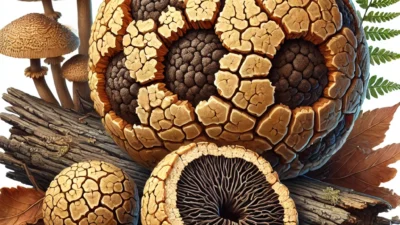
Types of Scleroderma (Scleroderma)
Scleroderma species, It is a group of fungi that belong to the Basidiomycota phylum and attract attention with their truffle-like…