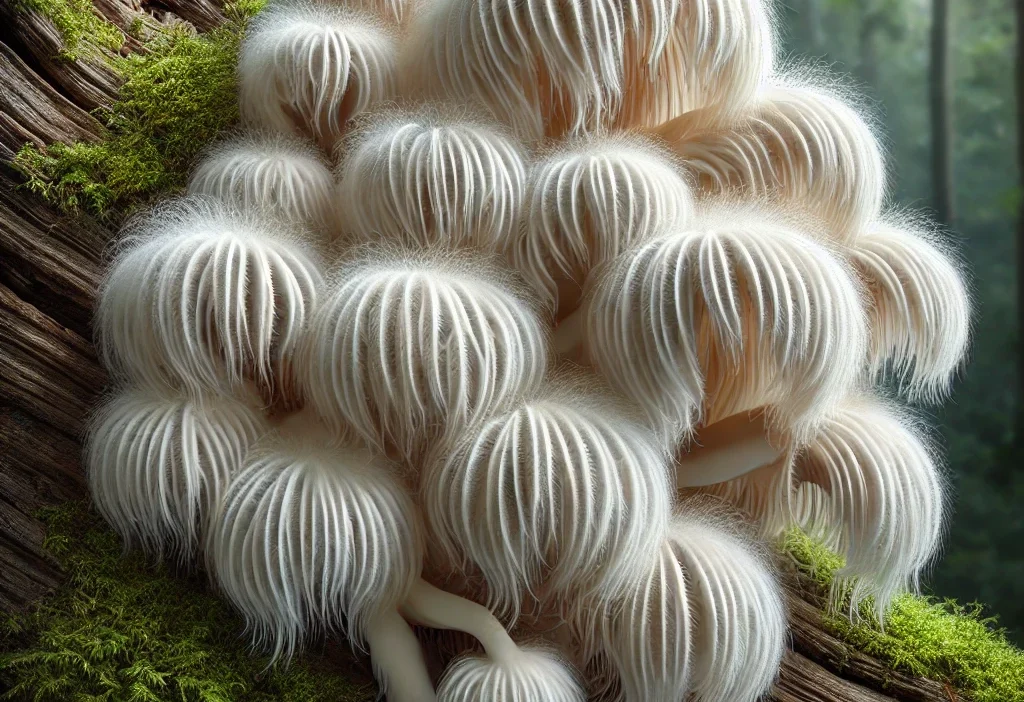
Lion’s Mane Mushroom, scientific name Hericium erinaceus, is a type of mushroom that is rare in nature and attracts attention with its appearance.It has become popular in both traditional medicine and modern health practices due to its health benefits.In this article, we will discuss the Lion’s Mane mushroom in full detail, from its scientific features to its growing conditions, from its cultural importance to its benefits.Scientific Name and Other Names The scientific name of the Lion’s Mane Mushroom is Hericium erinaceus.“Hericium” is the name of the genus to which this mushroom belongs, and “erinaceus” means “hedgehog” in Latin, which refers to the spiny and hairy appearance of the mushroom.The Lion’s Mane Mushroom got its name due to its hairy and droopy appearance.While it is known as “Lion’s Mane Mushroom” in English, it is known by names such as “Yamabushitake” and “Hou Tou Gu” in Asia.The mushroom got its name because its appearance consists of white, drooping fibers that resemble a lion’s mane.Regions Where Lion’s Mane Mushroom Occurs Hericium erinaceus is found naturally in the forest areas of North America, Europe and Asia.It is especially common in East Asian countries such as China, Japan and Korea.This fungus can also be seen in moist forests in the Black Sea, Marmara and Aegean regions of Turkey.It usually grows on dead or decaying trunks of old trees.Rotten areas on trees such as oak, beech and chestnut are suitable habitats for the Lion’s Mane Mushroom.Physical Characteristics and Identification Lion’s Mane Mushroom has a striking and easily recognizable appearance.
- Hat Part: Unlike classic mushroom hats, the hat consists of spherical and drooping spines.These spines can be 1-5 cm long.
- Color: The mushroom, which is white when young, may turn yellowish or cream colored as it matures.It takes on a slightly brownish color as it ages.
- Texture: It has a soft and slightly hairy structure.The flesh of the mushroom is white and its texture resembles seafood when cooked.
- Size: The Lion’s Mane Mushroom can generally be 10 to 25 cm wide, although larger specimens have been seen in favorable conditions.
This unique physical structure is one of the main features that distinguish Hericium erinaceus from other mushrooms and allows it to be easily recognized in nature.Growth Habitat and Season Hericium erinaceus is suitable for growing in humid and temperate climates and forest areas.It grows especially in the trunks and crevices of dead or decaying broad-leaved trees.The fungus develops in injured or rotting parts of trees by absorbing nutrients and contributing to the decay process.Lion’s Mane Mushroom usually grows from late summer to autumn.However, depending on climatic conditions, it can be found in some regions until the winter months.Due to its difficulty and rarity in nature, its cultural cultivation has become widespread in recent years.Specially prepared mushroom logs and straw bales are used in the cultivation of this mushroom.Lion’s Mane Mushroom Benefits Lion’s Mane Mushroom is a type of mushroom known for its contributions to brain health.Its neurological health benefits have been supported by modern science.Here are the main health benefits of Lion’s Mane Mushroom:
- Supports Brain Functions: Lion’s Mane Mushroom stimulates nerve growth factor (NGF) thanks to the hericenon and erinacin compounds it contains.This feature helps regenerate brain cells and repair nerve damage.
- Improves Memory and Concentration: Studies show that regular consumption of Lion’s Mane Mushroom can increase memory, concentration and cognitive functions.It also helps alleviate the signs of aging.
- Promotes Digestive System HealthContribution: Lion’s Mane Mushroom, which has probiotic properties that support the digestive system, can protect stomach health and offer protective effects against diseases such as stomach ulcers.
Cultural Importance of Lion’s Mane Mushroom Lion’s Mane Mushroom,It has an important place in traditional medicine, especially in China and Japan.In China, Lion’s Mane Mushroom is known as “Hou Tou Gu” and is considered a highly prestigious medicinal food due to its mind-expanding properties.In Japan, it is known as “Yamabushitake” and is consumed by Zen Buddhist monks to increase mental clarity.Even today, Lion’s Mane Mushroom is considered an important food ingredient in many parts of Asia, associated with longevity and mental health.Flavour and Culinary Use of Lion’s Mane Mushroom Lion’s Mane Mushroom has a mild taste and soft texture similar to seafood.When cooked, its texture is slightly reminiscent of lobster or shrimp, making it a popular option in vegetarian and vegan cuisines.It is generally used in the kitchen for:
- Fried and Sautéed Dishes: It can be consumed by sautéing or frying with a little olive oil.It has an intense umami flavor.
- Soups and Stews: Lion’s Mane Mushroom adds a rich flavor and nutritional value when added to soups and stews.
- Grilled and Oven.Cooking: A delicious option for main courses by cooking in the oven or on the grill.offers.
Cultivation and Cultivation in Turkey Lion’s Mane Mushroom has become popular in Turkey in recent years and has started to be cultivated.Especially in the Aegean and Black Sea regions, moist forest areas offer suitable conditions for mushroom growth.Cultural cultivation of mushrooms is carried out on specially prepared mushroom logs or mushroom composts.Grown in a controlled environment, Lion’s Mane Mushroom is as nutritious and delicious as its counterparts found in nature.Interesting Facts and Surprising Facts
- Lion’s Mane Mushroom not only supports the nervous system, but can also provide positive effects on mood.Some studies suggest that it can relieve symptoms of depression and anxiety.
- This mushroom, which has been used for centuries in Asia, has been recognized by modern science for its positive effects on brain health and has taken its place in various health supplements.
- Lion’s Mane.The mushroom is very valuable because it is rare in nature.Collecting it in areas where it grows naturally should be done carefully to maintain the ecological balance.
- The extracts of this mushroom are also used in anti-aging skin care products in the cosmetic industry.
The Ecological Role of the Lion’s Mane Mushroom and its Contribution to the Environment. Hericium erinaceus is a species that breaks down dead or decaying trees in nature and contributes to the nutrient cycle.These properties of the fungus help keep the forest ecosystem healthy and recycle decaying organic matter.Preserving the Lion’s Mane Mushroom in its natural environment is important for the balance of the ecosystem and therefore it is necessary to implement sustainable collection methods.Frequently Asked Questions About Lion’s Mane Mushroom In which regions does Lion’s Mane Mushroom grow?Hericium erinaceus grows naturally in the forest areas of North America, Europe and Asia. What are the health benefits of the Lion’s Mane mushroom?This mushroom may improve brain health by supporting nerve growth factor, increase memory and concentration, strengthen the immune system, and contribute to digestive health.How to cook Lion’s Mane mushroom?Lion’s Mane Mushroom can be sautéed, fried, grilled, or cooked in soup.It has a soft and seafood-like texture.Does the Lion’s Mane mushroom have side effects?It is generally considered safe, but it may cause allergic reactions in some people who are sensitive to the fungus.How should the Lion’s Mane mushroom be stored?Fresh Lion’s Mane mushrooms can be stored in the refrigerator for 1 week.Dried mushrooms are stable for a long time in airtight containers.How to grow Lion’s Mane mushroom in Turkey?Cultural cultivation is done using special mushroom logs and compost.Controlled production is possible in regions of Turkey with suitable climatic conditions.Hericium erinaceus (Lion’s Mane Mushroom) is a valuable mushroom species that attracts attention with both its taste and its contributions to health.Its effects that support brain health have been accepted by modern science and increased the popularity of the mushroom.Its rarity and difficult cultivation make the Lion’s Mane Mushroom a special place.With the protection of natural habitats and sustainable cultivation methods, this valuable mushroom will have an important place in both kitchens and health practices in the future…