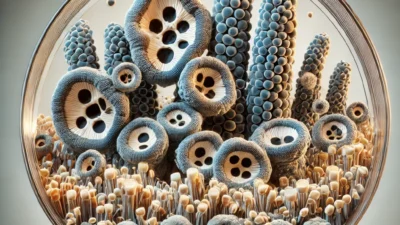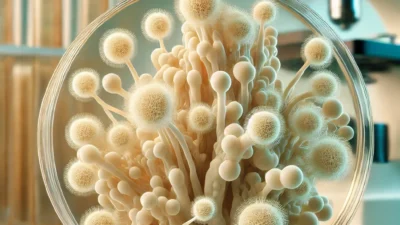
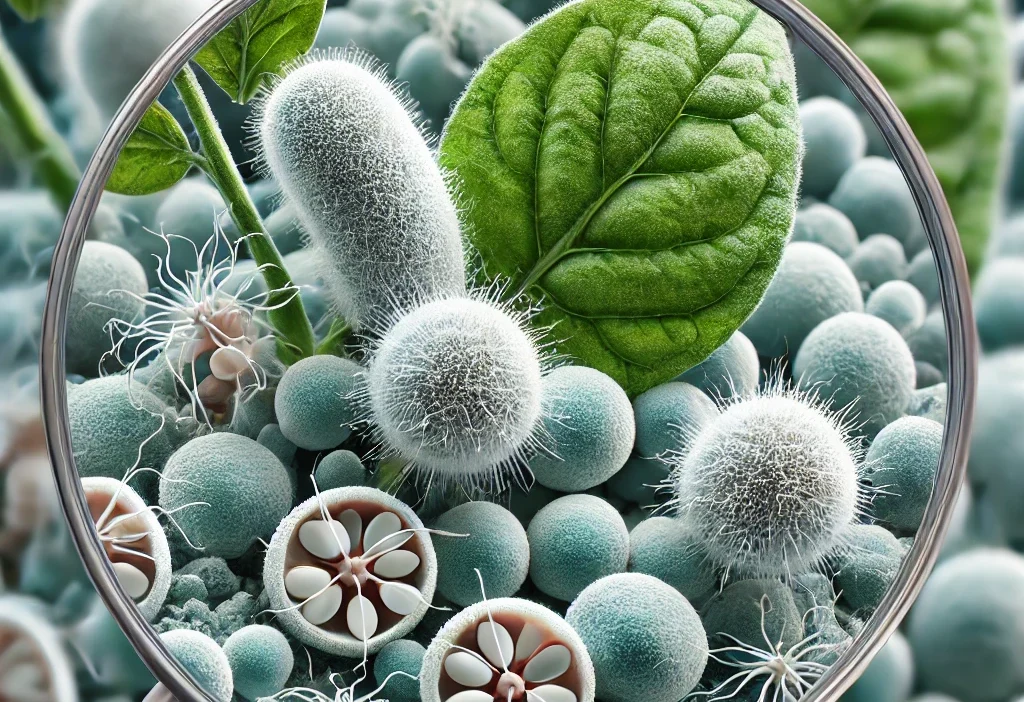
Phytophthora infestans is an organism that causes great losses in agriculture and infects important agricultural products, especially potatoes and tomatoes.This fungus-like organism, known as Late Blight Disease, creates rapidly spreading spots on the leaves, stems and fruits of plants, severely reducing productivity.It left deep traces in history, especially as it caused the Great Potato Famine in Ireland in the 19th century.In this article, we will discuss many details of Phytophthora infestans, from its characteristics to its agricultural and cultural importance.What is Phytophthora infestans? Phytophthora infestans is a fungus-like organism belonging to the phylum Oomycota and specifically targets potato and tomato plants.This organism causes brown spots on the leaves and stems of plants, causing the plant to rot.This disease causes serious damage to plants and can lead to great losses in agriculture.Phytophthora infestans tends to spread rapidly in humid and cool climates, and with these features it poses a significant threat to agricultural areas.Scientific Name and Other Names of Phytophthora infestans This organism, whose scientific name is Phytophthora infestans, is known as “Late Blight Disease”.Phytophthora means “plant destroyer,” and this describes the damage the organism inflicts on plants.”Infestans” means “infectious”.In the plant protection literature, this organism is also commonly known as “potato blight” or “tomato blight”.It is recognized as an important plant disease, especially in countries with agricultural production.Regions Where Phytophthora infestans Occur Phytophthora infestans is found in many regions around the world where potato and tomato cultivation is practiced.Cool and humid climatic conditions provide the ideal environment for the spread of this organism.This disease, which is common in North America, Europe and Asia, can also be seen in potato and tomato fields in Turkey, especially in the Black Sea, Marmara and Aegean regions.With climate change, the likelihood of this disease occurring in new regions has also increased.Physical Characteristics of Phytophthora infestans The symptoms caused by Phytophthora infestans on plants are quite characteristic and provide important clues in the diagnosis of the disease:
- Leaf Spots: Infected leaves are usually wet with water.Dark brown or black spots that look likeThese spots grow rapidly and cause the leaves to dry.
- Stem and Body Spots: Similar spots appear on the stem and stem parts of the plant, which disrupts the nutrient transmission of the plant and causes wilting.
- Fruit Rot: In fruit-bearing plants such as potatoes and tomatoes,Brown rot spots appear on the fruits, which reduces the commercial value of the products.
- Mycelium Structures: Phytophthora infestans can form white and threadlike mycelium in a humid environment.These myceliums are structures that produce spores that can spread through wind and water.
Growing Habitat and Season of Phytophthora infestans Late Blight Disease develops especially in cool and humid weather conditions.It spreads quickly, ideally in the temperature range of 10-20°C.Humid and cool summer months can cause this disease to spread rapidly in potato and tomato fields.Periods of intense rainfall and irrigation methods accelerate the spread of spores of this pathogen.Therefore, humidity control in greenhouses and appropriate irrigation methods in the fields are important for controlling the disease. Due to these characteristics, it can spread quickly in areas with intensive agriculture and may be difficult to control.This event went down in history as the “Great Potato Famine” and led to large waves of immigration from Ireland.
Cultural Importance of Phytophthora infestans The cultural significance of Late Blight Disease is deep in history, especially with its effects in Ireland.left traces.The great potato famine in Ireland had permanent effects on the social structure, causing millions of people to starve and causing large waves of immigration to America.This incident is a striking example of the effects of agricultural diseases on societies.Additionally, the control of Phytophthora infestans in modern agriculture is of great importance for sustainable agricultural practices.Today, biotechnology and agricultural research are focused on developing plant varieties resistant to this disease.Developing resistant varieties in agriculture is an important step to alleviate the effects of Late Blight Disease.Consumption of Phytophthora infestans and Things to Be Careful About Phytophthora infestans is an organism that is not suitable for human consumption.Rot and deterioration occur in potatoes and tomatoes infected by the disease.Consumption of such products is harmful in terms of food safety and unhealthy.Removing infected crops from the field early is important to prevent the spread of the disease.Quickly destroying infected plants in the fields and not collecting crops showing symptoms of the disease are among the important precautions to be taken to limit the spread of the disease.Additionally, appropriate chemical control methods may need to be used to prevent the spread of the disease.The Role of Phytophthora infestans in Nature Phytophthora infestans is an organism that infects plant tissues as a parasite in nature.However, its uncontrolled spread in agricultural areas negatively affects plant health and agricultural production.In natural ecosystems, such pathogens play a stabilizing role on plant diversity and ecological balance.However, in agricultural areas, preventing the spread of these species is of great importance.Phytophthora infestans and Agricultural Control Agricultural control against Phytophthora infestans is carried out by various methods.These methods include biological and chemical control, use of resistant plant varieties and cultural measures:
- Use of Resistant Varieties: Scientists have reduced agricultural losses by developing potato and tomato varieties resistant to Phytophthora infestans.
- Cultural Measures:Humidity control in greenhouses, planting plants at appropriate spacing and correct application of irrigation methods are important to limit the spread of the disease.
- Chemical Control: Fungicides can be effective in controlling the disease. They have an important role in both historical and modern agriculture.This threatening organism shows how important it is to combat plant diseases.Frequently Asked Questions What is Phytophthora infestans?Phytophthora infestans is a pathogenic organism that infects plants such as potatoes and tomatoes and causes rot in leaves and stems.How is Late Blight Disease spread?The disease is spread by wind, rain, and spores released from infected plants, and multiplies rapidly, especially in cool, moist conditions.What plants does Phytophthora infestans affect?It most commonly infects potato and tomato plants, but can also cause disease in other plants belonging to the solanaceae family.How to take precautions against Phytophthora infestans?The use of resistant plant varieties, appropriate irrigation and moisture control, and the use of chemical fungicides are among the effective measures against the disease.Is Late Blight Disease harmful to human health?The disease does not directly harm human health, but consumption of infected products is not recommended.Why is Phytophthora infestans culturally important?Especially due to the Great Potato Famine in Ireland in the 19th century, it left deep traces in history and had a great impact on the agricultural economy…