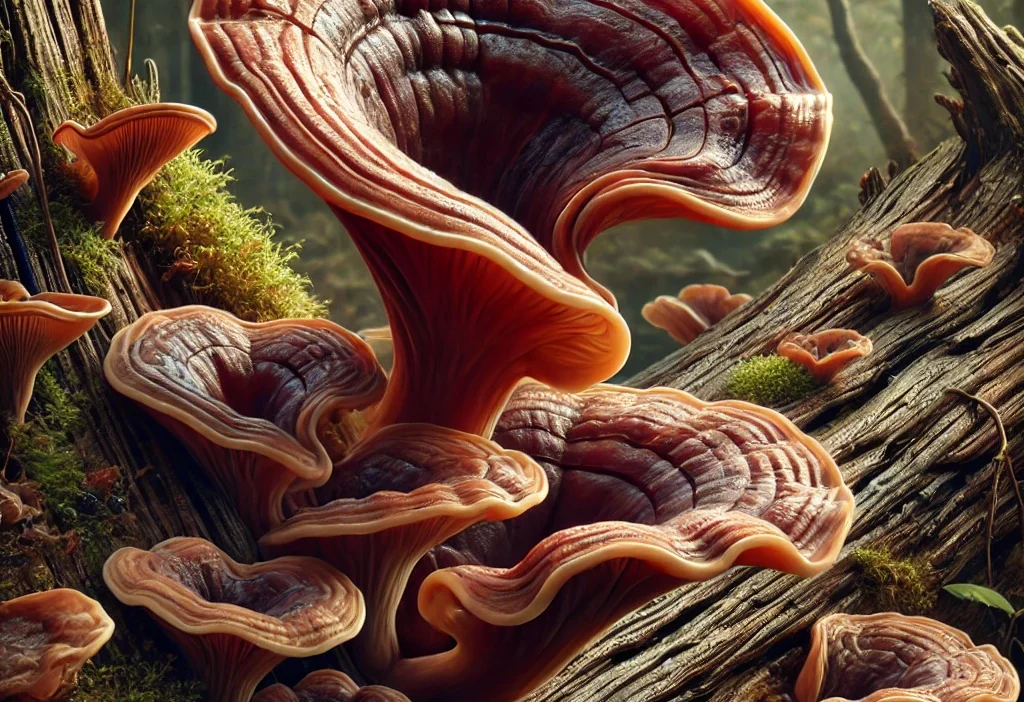
Auricularia auricula-judae, commonly known as Ear Fungus, is a type of edible mushroom with a gelatinous structure that grows on the trunks and branches of trees.It gets its name from its shape resembling the human ear.This mushroom, which is widely used especially in Asian cuisine, also has an important place in traditional medicine.It attracts attention with the nutritional values it contains and the many health benefits it offers.Ear Fungus: Scientific Name and Other Names The scientific name of ear fungus is Auricularia auricula-judae.This type of mushroom is called by various names in different parts of the world.Judas ear is also known as Jew’s Ear or wood ear.It is known as “Mu Er” in Chinese cuisine and is used both fresh and dried in many Asian countries.Regions Where Ear Fungus Occurs and Its Physical Characteristics Auricularia auricula-judae grows widely in many regions such as Asia, Europe, North America and Australia.It grows mainly on the trunks and dead branches of deciduous trees, especially old oaks and elms.Humid and shady forest areas are the places where ear fungus is most common.This type of mushroom is usually brown, black or reddish in color and has a soft and jelly-like texture.Physical Properties
- Color: Varies from dark brown to black, from reddish brown to light brown.
- Structure: Soft, gelatinous.It has a flexible and ear-shaped structure.
- Size: It can grow between 3-10 cm in diameter and sometimes form larger colonies.
Ear Fungus Growth Environment and SeasonEar fungus grows in humid and shady areas, on treesIt grows on trunks and rotting wood.Woodlands with deciduous trees are the ideal habitat for this fungus.It develops quickly when temperature and humidity levels are high.Spring and autumn months are the periods when ear fungus grows the most.This type of fungus can be seen throughout the year in temperate climates, but is most abundant during these seasons.Growing Conditions
- Climate: Grows in temperate and humid climates.
- Tree Type: Oak, elm and other deciduous treesIt is often found on trees.
- Soil Type: Soils rich in decaying wood pieces and organic matter.
Ear Fungus Benefits and Effects on Health Ear fungus is consumed both in food and in Asia.It is also an important food used in traditional medicine.It is a mushroom that is low in calories, rich in fiber and has antioxidant properties.Thanks to its high polysaccharide content, it has immune system supporting effects and has positive effects on the digestive system.It also attracts attention with its anti-blood clotting effects.Usage Areas of Ear Fungus
- Strengthens the Immune System: Thanks to the polysaccharides it contains, it can strengthen the body’s defense mechanism.
- Contribution to Digestive Health:Its high fiber content facilitates digestion and promotes intestinal health.
- Cardiovascular Health: Ear fungus can improve blood circulation and reduce the risk of cardiovascular disease with its blood clotting effect.
- Skin Health: Containsantioxidants can help protect skin health by fighting against free radicals.
How to Use Ear Fungus? Ear fungus is widely used, especially in Chinese, Japanese and Korean cuisine. Dried ear fungus can be softened with water and added to dishes.Method of Use in Food
- Softing Dried Mushroom: Soak dried ear mushroom in a bowl filled with water for 20-30 minutes.After it softens, you can strain it, slice it and add it to soup or saute.
- Soup Recipe: You can add softened ear mushroom to chicken broth and flavor it with soy sauce and vegetables.
Ear Fungus and Its Cultural Importance. Auricularia auricula-judae, especiallyIt has an important place in Chinese and Japan cultures.In China, this mushroom, known as “Mu Er”, is considered a symbol of longevity and health.In traditional Chinese medicine, it is used to regulate blood circulation and remove toxins accumulated in the body.Additionally, this mushroom was also recognized in ancient European cultures and was called “Judas ear”.According to legend, it is said that Jesus hanged himself on an old tree after the betrayal of Judas, one of his disciples, and this mushroom grew on that tree.This legend was the source of the mushroom’s name.Interesting Information About Ear Fungus
- Durable Structure: Ear fungus can be stored intact for a long time in its dried form and can be used by softening it with water when necessary.
- In Old Medical Books: Many old books of traditional Chinese medicine mention ear fungus.Its use and benefits are discussed in detail.
- Sound Perception: Its “ear”-shaped structure has led to old folk beliefs that the mushroom perceives sounds.
Ear FungusFrequently Asked Questions In which regions does ear fungus grow?It grows naturally in the temperate forests of Asia, Europe, North America and Australia.What are the benefits of ear fungus?It has many benefits such as strengthening the immune system, supporting digestion, improving blood circulation and protecting skin health.How to consume ear mushroom?It can be used in soups, sautés and salads.It can be dried and softened with water and cooked.On which trees does ear fungus grow?It usually grows on the trunks and dead branches of old oaks, elms and other deciduous trees.Does ear fungus have side effects?Although it is generally considered safe, it may cause allergic reactions in some people.Care should be taken when using it for the first time.In what season are ear mushrooms collected?Spring and autumn are the most suitable periods for collecting ear mushrooms.Nature’s Healing Ear Mushroom Ear mushroom (Auricularia auricula-judae) is one of the most unique and medicinal mushroom species that nature offers us.This mushroom, which has a wide range of uses from traditional medicine to modern cuisine, attracts attention with its health benefits.Thanks to the antioxidants and nutritional values it contains, it can support your immune system, soothe your digestive system and improve your general health.As a natural source of health, ear mushroom can be added to your tables as both a delicious food ingredient and a healing herbal supplement…