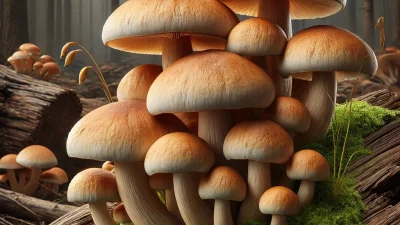
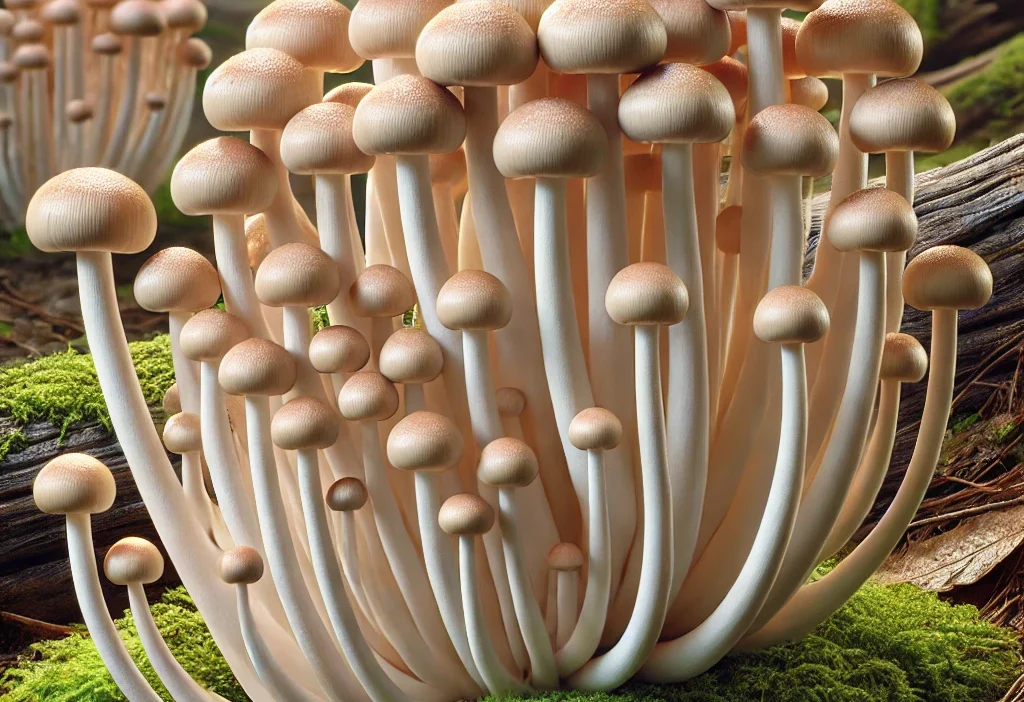
Hon Shimeji mushroom is one of the rare and valuable mushroom species known for its taste and health benefits.This mushroom, whose scientific name is Hypsizygus tessellatus, attracts attention with both its gastronomic values and its ecological role in nature.Here is everything you want to know about Hon Shimeji mushroom.Scientific Name: Hypsizygus tessellatus The scientific name of Hon Shimeji mushroom is Hypsizygus tessellatus.This scientific classification helps define the fungus’s relationship to different species and their characteristic features.This name is of Latin origin and explains the unique properties of the mushroom from a scientific perspective.The genus Hypsizygus includes many species of fungi that grow on wood and contribute to the decomposition of rotten wood in nature.Other Names Hon Shimeji mushroom is a mushroom that is especially common in Asia and has a special place in Japanese cuisine.The word “Hon” in Japanese means “true”, which emphasizes the originality and quality of this mushroom in nature.It may also be called “Buna-shimeji” in some areas.In Europe and North America, it is known as “Beech Mushroom”.These names are directly related to the environments where the mushroom grows.Areas of Occurrence and Physical Characteristics Hon Shimeji mushroom is naturally found in some parts of Asia, Europe and North America.It is most common in Japan, Korea and China.In nature, it usually grows around beech and other broad-leaved trees, and on dead or rotting trees.It especially prefers high humidity and cool climates.However, it is also grown commercially under special agricultural conditions.Physically, Hon Shimeji mushroom has a small structure with a hat and long thin stems.The diameter of their hats usually varies between 2-6 cm and their colors can vary from beige to light brown.The stems are white, 5-8 cm long and have a thin structure.Their caps are slightly domed and smooth, giving the mushroom its distinctive appearance.Growing Environment and Season The environment where the Hon Shimeji mushroom grows in nature is very important for the growth and development of the mushroom.The fungus usually grows on dead or rotten tree trunks and near tree roots.It grows especially attached to the roots of broad-leaved trees such as beech trees.This species develops better in cool and humid climate conditions.High humidity is a critical factor for the healthy growth of fungus.The natural season of Hon Shimeji mushroom is autumn and winter.During these periods, the mushroom can be harvested in regions where it is naturally found in nature.However, in recent years this mushroom can be produced commercially throughout the year using special cultivation techniques.This makes it available in kitchens and markets throughout all seasons.Hon Shimeji Mushroom Cultivation Techniques Commercial cultivation of Hon Shimeji mushroom allows the mushroom to grow in a controlled environment and reach wider masses.It mimics the natural growth environment of the fungus, usually by using sterilized wood sawdust and other organic materials.The suitable temperature for the growth of the fungus is generally around 15-20°C.High humidity and adequate ventilation are necessary for the healthy growth of the fungus.Commercial cultivation allows mushrooms to reach large masses while preserving their natural flavor and nutritional values.Interesting Facts and Cultural Importance Hon Shimeji mushroom has a special place in Japanese cuisine.It is known that in Japanese culture, mushrooms are considered a gift of nature and a part of a healthy life. They are frequently used in sautés, soups, ramen and vegetable dishes.In addition, Hon Shimeji mushroom is also very beneficial for health.It contains polysaccharides, antioxidants and vitamins that support the immune system.It is also preferred in diets with its low calorie and high fiber content.Especially in Japan, it is believed to contribute to longevity.This increases the cultural importance of the mushroom.Uses of Hon Shimeji Mushroom The use of Hon Shimeji mushroom in the kitchen is not limited to Japan only.This mushroom is frequently encountered in Chinese, Korean and even Western cuisines.It gives a pleasant aroma to meat and vegetable dishes, especially when used with sauces.This mushroom takes on a soft, meaty texture when cooked, making it popular in vegan and vegetarian recipes.It is commonly used in soups, sautéed dishes and pilafs.While the natural aroma of mushrooms adds depth to dishes, it leaves an unforgettable taste on the palate with its flavor.Hon Shimeji Mushroom and Health Benefits Hon Shimeji mushroom contains important nutrients that provide many health benefits.Its high protein content contributes to muscle development as a herbal source.It also contains beta-glucans that strengthen the immune system.Regular consumption of this mushroom can help increase the body’s resistance to diseases.It supports digestive system health with its low calorie value and high fiber content.Thanks to its antioxidant properties, it protects the body from the harmful effects of free radicals.Cultural and Economic Value Hon Shimeji mushroom has an important value not only gastronomically but also economically.It is widely produced commercially in countries such as Japan and China and is in high demand in both domestic and international markets.The value of this mushroom is increasing with the increasing interest in healthy nutrition, especially in the organic food market.Additionally, the spread of Japanese cuisine around the world has further increased the popularity of Hon Shimeji mushroom.Natural Life Cycle and Ecological Role Hon Shimeji mushroom plays an important role in the ecosystem by contributing to the decay process of trees in nature.This fungus, which grows on dead trees, helps break down organic matter and add nutrients to the soil.This process supports the sustainability of forest ecosystems.In this sense, mushrooms hold an indispensable place in nature’s recycling system.Frequently Asked Questions About Hon Shimeji Mushroom (Hypsizygus tessellatus) What are the health benefits of Hon Shimeji mushroom?Hon Shimeji mushroom supports the digestive system with its high protein and fiber content, strengthens the immune system and protects the body with its antioxidant properties.How to grow Hon Shimeji mushroom?It is usually grown in a controlled environment using sterilized wood sawdust.High humidity and cool temperature conditions must be provided.Where to find Hon Shimeji mushroom?It grows naturally on broad-leaved trees such as beech trees in parts of Asia, Europe and North America.In which dishes is this mushroom used?It is used in a variety of recipes such as sautés, soups, veggie stews, and ramen.It adds flavor to dishes, especially with its umami taste.What is the ecological role of Hon Shimeji mushroom in nature?This fungus helps break down organic matter by contributing to the decay process of dead trees and plays an important role in the ecosystem.In which months is Hon Shimeji mushroom found?It is found in nature in autumn and winter. Hon Shimeji mushroom (Hypsizygus tessellatus) is a valuable mushroom species that stands out with both its taste and health benefits.This mushroom, which is a part of the ecological balance, contributes to the continuity of the natural cycle.You may consider trying Hon Shimeji mushroom in your kitchen to add flavor to your meals and support your health…
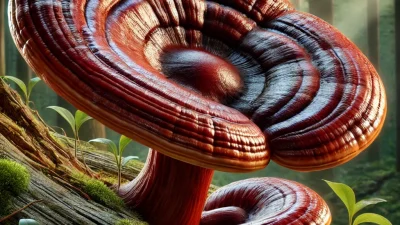
Reishi Mushroom (Ganoderma Lucidum)
Reishi Mushroom, scientifically known as Ganoderma lucidum, is a type of mushroom of Asian origin that has been used for centuries for its…