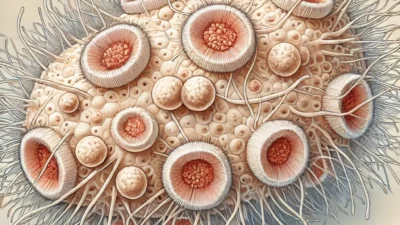
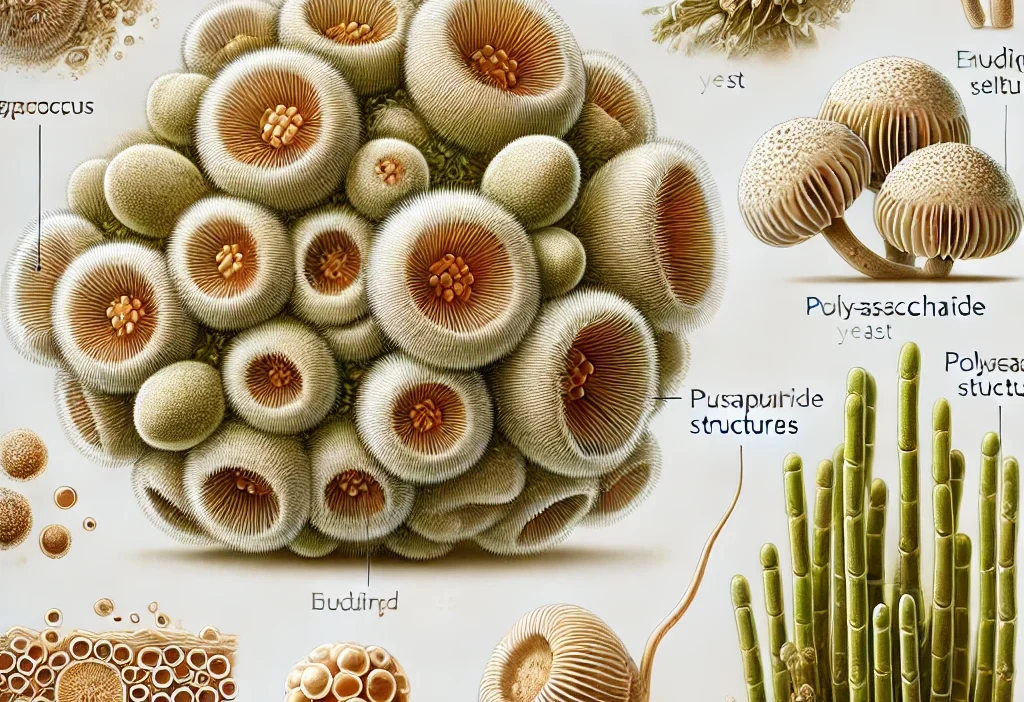
Cryptococcus gattii is a yeast fungus that can cause serious infections in humans and animals.It is mostly transmitted through breathing, causing infection in the lungs, and in some cases can spread to the brain and central nervous system.It can cause serious health problems, especially in individuals with weak immune systems.This fungus, which is generally seen in tropical and subtropical regions, attracts attention with its structure that is resistant to environmental conditions.In this article, we will provide comprehensive information about Cryptococcus gattii, from its scientific features to its habitat, from its effects on health to its cultural importance.Scientific Name and Other NamesThis fungus, whose scientific name is Cryptococcus gattii, belongs to the Cryptococcaceae family and is defined as an encapsulated yeast fungus.Although it was formerly classified together with Cryptococcus neoformans, it has been considered a separate species due to its genetic and biological differences.It does not have a commonly known name among the public;however, it is referred to as “Cryptococcus” or “cryptococcal fungus” in the medical field and literature.Their infections are called “cryptococcosis” and these infections can cause serious health problems in the lungs or brain membranes.Areas of Occurrence and Physical Characteristics Cryptococcus gattii is common in tropical and subtropical climates around the world.It is especially common in hot regions such as Australia, Southeast Asia, Africa and South America.However, cases have also been reported in Canada and the west coast of the United States in recent years.It is found in the bark of trees in its natural environment, especially around eucalyptus trees.It can also survive in organically rich environments such as soil, bird droppings and plant materials.When examined under the microscope, Cryptococcus gattii is seen to have round or oval cells.One of the most important features of this fungus is that it produces a thick polysaccharide capsule.This capsule allows the fungus to evade the immune system and be resilient to environmental conditions.In culture medium, it forms creamy white or yellowish colonies.Their spores can multiply and spread rapidly in suitable environments and are highly resistant to environmental factors.Growth Habitat and Reproduction Mode Cryptococcus gattii is a fungus resistant to environmental conditions and can grow in various natural environments.It is most commonly found in environments rich in organic matter, such as tree bark, soil and bird droppings.The bark of trees, especially species such as eucalyptus and cedar trees, is known as the natural habitat of the fungus.Its spores, which can spread through soil and air currents, germinate under suitable conditions and form new colonies.The fungus can reproduce both sexually and asexually.During asexual reproduction, it creates new cells through budding.Budding occurs when the parent cell produces an extension and produces a new cell.Sexual reproduction occurs through the formation of special spores called basidiospores.These spores can spread over large areas through wind or air currents and survive for long periods of time by adapting to environmental conditions.This resilient structure of Cryptococcus gattii enables it to spread in tropical and subtropical regions and adapt to environmental conditions.Season and Distribution Period of Cryptococcus gattii Cryptococcus gattii can be active year-round in tropical and subtropical climates;However, the reproduction rate increases especially in hot and humid weather.Since the spores of this fungus spread through wind and soil, the rate of spread may vary depending on seasonal changes.In summer and spring, as temperatures rise and humidity increases, the reproduction and spore-spreading activities of the fungus accelerate. Especially in regions where eucalyptus forests are dense, spores of the fungus can be inhaled through the air, which increases the risk of infection in humans.Therefore, it is important to be careful in people in areas where the fungus is seen, especially in individuals with weak immune systems.Cryptococcus gattii and its Effects on Health Cryptococcus gattii can cause serious infections in humans and animals.The infection caused by the fungus is called cryptococcosis and is usually transmitted through breathing.As a result of inhalation of spores, they first settle in the lungs, where they can cause pneumonia-like symptoms.In some cases, the infection can spread to the brain and central nervous system, and meningitis may develop.Cryptococcal meningitis occurs with inflammation of the brain and spinal cord membranes and can be life-threatening if left untreated.Symptoms of Cryptococcus gattii infection usually include:
- Long-lasting cough
- Shortness of breath and chest pain
- Fever and headache
- Fatigue and weakness
- When it spreads to the central nervous system, changes in consciousness and neurologicalsymptoms
Although this infection is rarely seen in healthy individuals, it can be more serious in people with weakened immune systems (such as HIV/AIDS patients, organ transplant recipients).Treatment usually involves a long course of treatment with antifungal medications, and the duration of treatment may vary depending on the severity of the disease.Early diagnosis and appropriate treatment are important in controlling the infection.Interesting Information About Cryptococcus gattii
- Its Environmental Resistance is High: Cryptococcus gattii produces a capsule that is resistant to environmental conditions and can avoid the immune system thanks to this capsule.This feature increases the pathogenic potential of the fungus.
- First Identified in Australia: Cryptococcus gattii was first isolated in Australia and is widespread in this region.However, over time, cases began to be reported on the west coast of America.
- It Can Also Infect Animals: Cryptococcus gattii can cause infections in cats, dogs and some other mammals, as well as in humans.Symptoms seen in animals include respiratory problems and neurological symptoms.
- Is Important for Biological Diversity: It contributes to the nutrient cycle of ecosystems by breaking down organic matter in its natural environment.However, pathogenic species may pose a risk to human and animal health.
Frequently Asked Questions What is Cryptococcus gattii?Cryptococcus gattii is an encapsulated yeast fungus that can cause respiratory and nervous system infections.It is especially common in tropical and subtropical regions.How is Cryptococcus gattii transmitted?Spores of the fungus enter the body through breathing.Transmission occurs through inhalation of spores found in the environment.There is no direct transmission from person to person.How are Cryptococcus gattii infections treated?It is treated with antifungal drugs.The spread of the infection and the immune status of the patient determine the duration and method of treatment.In severe cases, hospital treatment may be required.What are the symptoms of Cryptococcus gattii infections?Symptoms such as cough, chest pain, shortness of breath, fever and headache may occur.Changes in consciousness and neurological symptoms may also occur when the infection spreads to the central nervous system.In which season is Cryptococcus gattii more common?It is more common in hot and humid weather. How to protect yourself from Cryptococcus gattii?It is important for protection not to stay outside for a long time in areas where fungus is seen and to keep the immune system strong.Care should be taken to avoid inhaling spores, especially in forested areas.It can cause serious infections of the lungs and central nervous system in individuals with weakened immune systems.Correct diagnosis and appropriate treatment are critical in controlling the disease.In this article, we presented a comprehensive overview of Cryptococcus gattii, from its scientific features to its effects on the ecosystem and its biological importance.Understanding the environmental effects and infection risks of fungi will be useful in developing prevention and treatment methods…