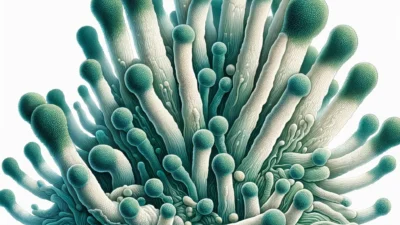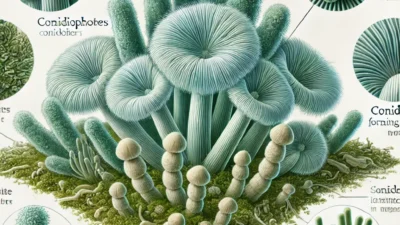

Fusarium oxysporum is a type of fungus that is commonly found in soil and causes plant diseases.This fungus, which can cause significant losses in agricultural production, is known as the enemy of many agricultural products such as vegetables, fruits and ornamental plants.It targets plant roots, inhibiting water and nutrient uptake, leading to wilting and eventual death of plants.In this article, we will give detailed information about Fusarium oxysporum, from its scientific features to its living environment, from its agricultural importance to its cultural effects.Scientific Name and Other Names Fusarium oxysporum is a species belonging to the Fusarium genus and is one of the most common and harmful species of this genus.This fungus, whose scientific name is Fusarium oxysporum, is also abbreviated as “F. oxysporum”.The Latin word “oxysporum” means “sharp-shaped spore”, and the name refers to the microscopic structure of the fungus’s spores.It is also commonly known among farmers and agronomists as “wilt fungus” or “root rot fungus”.Areas of Occurrence and Physical Characteristics Fusarium oxysporum is found in various climates around the world and is common in warm and temperate regions.It can be present in agricultural lands, greenhouses, gardens and even in indoor environments where potted plants are grown.It concentrates in the soil layers close to the plant roots, reaches the plant vascular system and thus causes infection.Physically, Fusarium oxysporum is a microscopic mold fungus.Their spores are generally long, elliptical and spindle-shaped.Colony structures may be white, pink or purple in color and have a cottony texture.The microscopic spores produced by the fungus can easily spread through wind, water or agricultural equipment.This dispersal ability of spores causes the fungus to rapidly infect large areas and spread plant diseases.Growth Habitat and Reproduction Mode Fusarium oxysporum thrives in moist, nutrient-rich soils containing organic matter.It spreads especially in areas where plant roots are dense.The fungus penetrates directly into the plant roots and settles into the vascular system of the plant, where it produces toxins and enzymes that affect the plant.These enzymes block the plant’s water-carrying vessels and prevent the plant from uptake of water and nutrients, leading to wilt and death symptoms.Fusarium oxysporum is capable of both asexual and sexual reproduction.During asexual reproduction, it produces spores called conidia.These spores can spread over large areas by being carried by air or water.Sexual reproduction is less common, but the durable structures produced in this process allow the fungus to survive for a long time.These reproductive abilities allow Fusarium oxysporum to rapidly adapt to environmental conditions and spread in agricultural areas.Season and Harvest Time of Fusarium oxysporum Fusarium oxysporum can survive in the soil throughout the year;however, it becomes more active under hot and humid conditions.Therefore, the risk of infection with the fungus increases in spring and summer.Especially during periods of abundant rainfall, increased soil moisture paves the way for the proliferation of fungi.During the active growth period of plants, the effects of Fusarium infections on the plant become more evident as the water need in the roots increases.Therefore, it is important to be careful during harvest periods in agricultural areas and to perform regular checks for early diagnosis.Fusarium oxysporum and its Agricultural Importance Fusarium oxysporum is a pathogen that causes significant losses in agricultural production.It causes wilt disease in vegetable and fruit plants, negatively affecting the product quality and quantity. The wilt disease caused by Fusarium oxysporum occurs as a result of the fungus entering the plant roots and blocking the vascular system.In diseased plants, the roots turn a brownish color and begin to rot.Various methods are used to prevent the negative effects of this fungus on agricultural products.For example, crop rotation, use of disease-resistant plant varieties, and biological control methods are among the commonly used strategies to deal with this pathogen.Additionally, keeping the soil moisture level under control and ensuring good drainage can also reduce the risk of the fungus spreading.Interesting Facts About Fusarium oxysporum
- A Microscopic Threat: Microscopic spores of Fusarium oxysporum can remain alive in the soil for many years and become reactivated under suitable conditions.
- Plant GeneticsResearch: Fusarium wilt diseases are used as a model in plant genetics and disease resistance development studies.
- Impact on Agricultural Economy: Plant diseases caused by Fusarium oxysporum can cause product losses worth billions of dollars worldwide..
- Biological Control: FusariumBiological control methods against oxysporum include the protection of agricultural lands by using beneficial microorganisms that can compete with this fungus.
Frequently Asked Questions What is Fusarium oxysporum?Fusarium oxysporum is a mold fungus that lives in soil and attacks plant roots, causing wilt disease.It causes significant losses in agriculture.Which plants does Fusarium oxysporum damage?This fungus can damage many plants such as tomatoes, peppers, bananas, cotton and potatoes.It causes serious losses, especially in vegetables and grains.How is Fusarium oxysporum spread?Fusarium oxysporum spreads through air, water or agricultural equipment by producing spores called conidia.Spores can reach plant roots and cause infection.How to prevent Fusarium diseases?Crop rotation, use of resistant plant varieties, biological control and soil moisture control are effective methods for preventing Fusarium-related diseases.What are the effects of Fusarium oxysporum on humans?Fusarium oxysporum usually causes diseases in plants and does not pose a direct threat to humans;However, it can rarely cause infection in individuals with weakened immune systems.How is Fusarium wilt disease diagnosed?Sudden wilting of plants, yellowing of leaves, brownish discoloration of roots and signs of rot are signs of Fusarium wilt disease.Fusarium oxysporum is one of the most important threats to plant health in agricultural areas.It causes crop loss by preventing plants from absorbing water and nutrients through symptoms such as root rot and wilt disease.It is of great importance to recognize this pathogen and develop effective control methods in order to achieve sustainable production and productive products in agriculture.In this article, we presented comprehensive information about Fusarium oxysporum, from its scientific features to its habitat and agricultural effects.Understanding Fusarium oxysporum is a critical step for farmers and agronomists to prevent plant diseases and ensure healthy crops…