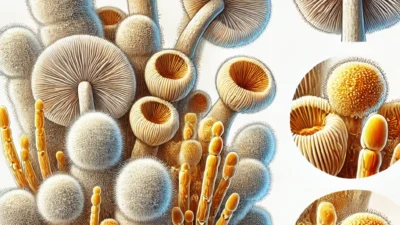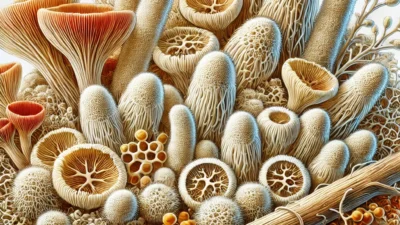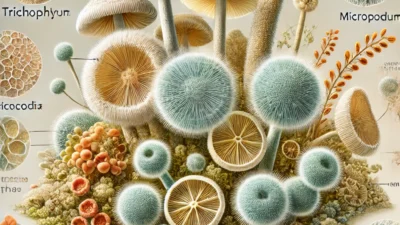
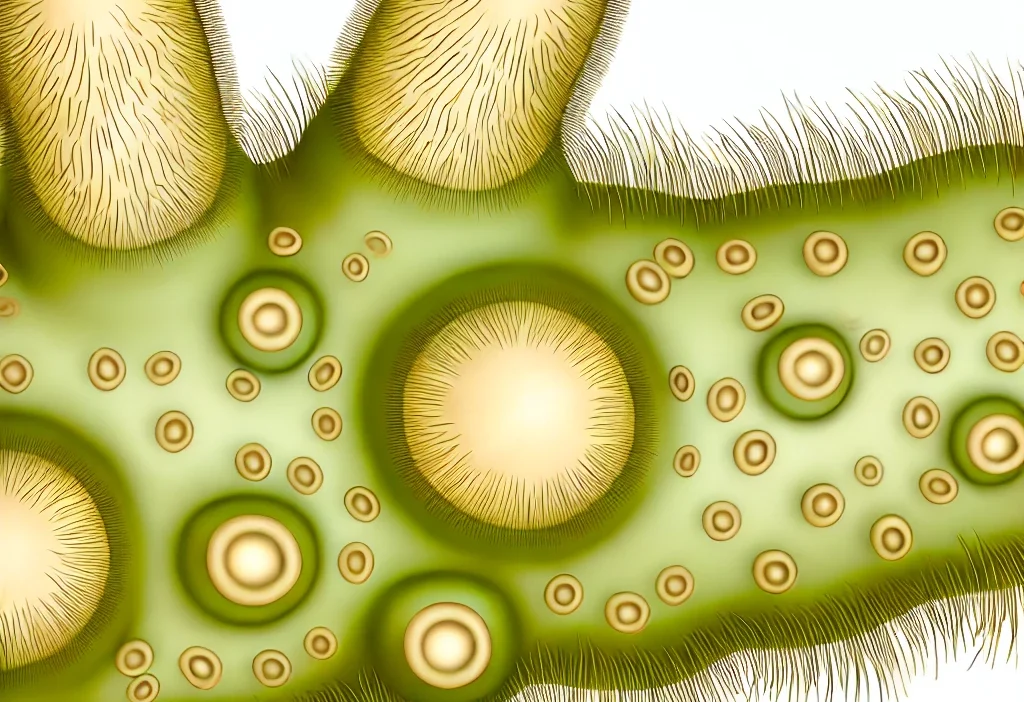
Epidermophyton floccosum is a type of dermatophyte fungus that can infect the skin, nails, and groin area in humans.It is especially known for causing tinea infections (dermatophytosis), and these infections are usually superficial.Epidermophyton floccosum, which tends to spread in humid and warm environments, is a type of fungus that has a high risk of contamination in common areas.In this article, we will provide a comprehensive overview of Epidermophyton floccosum, from its scientific characteristics to its natural habitat, from its effects on health to its cultural significance.Scientific Name and Other NamesThis fungus, whose scientific name is Epidermophyton floccosum, is among the dermatophyte fungi and usually infects keratinized tissues (skin and nails).The name “Epidermophyton” means “skin plant” in Greek, and this name refers to the tendency of the fungus to settle in skin tissues.It is commonly known as “groin fungus” or “nail fungus” among the public.The most common infections caused by Epidermophyton floccosum are tinea cruris (groin fungus) and tinea pedis (athlete’s foot).Areas of Occurrence and Physical Characteristics Epidermophyton floccosum is widespread throughout the world and is more common in hot, humid climates.Humid areas such as common areas, gyms, swimming pools, showers and saunas are suitable environments for the spread of this fungus.Walking barefoot in these areas can cause fungal spores to come into contact with the skin, increasing the risk of infection.When examined under the microscope, Epidermophyton floccosum appears to have branched hyphae and produce thick-walled spores called macroconidia.These spores can survive for a long time by adapting to environmental conditions thanks to their durable structure.Macroconidia are generally thick, walled and spade-shaped, which stands out as an important feature in identifying the fungus.When grown in culture medium, Epidermophyton floccosum colonies have yellowish-brown tones and a velvety structure.Growth Habitat and Reproduction Mode Epidermophyton floccosum is a type of fungus that grows in keratin-containing tissues.It settles in keratinized tissues such as skin and nails and feeds by breaking down the keratin in these tissues.Humid and warm environments provide the most suitable conditions for the development of the fungus.When adequate hygiene is not provided, especially in common areas, the risk of spreading the fungus increases.Therefore, it is of great importance to comply with personal hygiene rules in such environments.Epidermophyton floccosum reproduces asexually by producing spores called macroconidia.These spores can be spread from infected surfaces or through direct contact.The durable structure of the spores allows the fungus to survive in the environment for a long time.It can grow rapidly on moist surfaces and cause infection.Therefore, items such as shoes, socks, towels and sports equipment used by infected people play a role in the spread of the infection.Season and Spread Period of Epidermophyton floccosum Epidermophyton floccosum infections are generally more common in hot summer months and humid environments.In summer, people sweat more and the skin remains moist for a long time, providing suitable conditions for the fungus to multiply.Additionally, increased time spent in public areas such as swimming pools and gyms during the summer months increases the risk of spreading the infection.During the winter months, being in closed and humid areas, especially in places such as showers and saunas, continues the risk of infection.Therefore, it is necessary to pay attention to hygiene rules throughout the year against the risk of infection.Epidermophyton floccosum and its Health Effects Epidermophyton floccosum can cause a variety of skin and nail infections in humans. Common infections caused by Epidermophyton floccosum include:
- Tinea Pedis (Athlete’s Foot)): It develops as a result of the feet remaining moist for a long time andIt causes an itchy, red and scaly appearance, especially between the fingers.It occurs more frequently in hot and humid conditions, especially in summer months.
- Tinea Corporis (Body Fungus): It causes ring-shaped redness and flaking in various parts of the body.The lesions are usually in the form of rings that heal in the middle and spread around.
- Onychomycosis (Nail Fungus): It manifests itself as the nails thicken, change color and become brittle.If left untreated, it can lead to complete destruction of the nails.
These infections are usually treated with antifungal creams and medications.Treatment duration may vary depending on the area and severity of the infection.However, if left untreated, the infection can become chronic and spread.It can cause more serious health problems in individuals with weak immune systems.Therefore, early diagnosis and appropriate treatment of infections are of great importance.Interesting Facts About Epidermophyton floccosum
- Identifiable by Appearance: Epidermophyton floccosum forms colonies in shades of yellowish brown when grown in laboratory cultures and can be easily identified by the distinctive shape of the macroconidia.
- AntiqueA Problem Known Since Ages: Dermatophyte infections are among the health problems defined in ancient medicine.Herbal mixtures were used in the treatment of such fungal infections in ancient Greek and Roman times.
- Does not Transmit from Animals to Humans: Epidermophyton floccosum, unlike some other dermatophyte fungi, does not transmit from animals to humans.It spreads through contact between humans.
- Resistant Spores: The macroconidia produced by the fungus are resistant in the external environment and can grow again and cause infection when suitable conditions occur.
Frequently Asked Questions What is Epidermophyton floccosum?Epidermophyton floccosum is a type of dermatophyte fungus that infects the skin and nails.It especially causes infections such as groin fungus and athlete’s foot.How is Epidermophyton floccosum transmitted?It can be transmitted through direct contact, contaminated surfaces, or items used by infected people.The risk of infection increases in humid and hot environments.How are Epidermophyton floccosum infections treated?It is treated using antifungal creams and medications.Treatment duration varies depending on the location and severity of the infection.What are the symptoms of Epidermophyton floccosum infections?Symptoms such as itching, redness, flaking and thickening of the nails may be observed.Symptoms vary depending on the area of infection.How to protect yourself from Epidermophyton floccosum infections?Paying attention to personal hygiene, avoiding humid environments and not walking barefoot in common areas can reduce the risk of infection.In which season is Epidermophyton floccosum more common?It is more common in hot and humid summer months.However, it can also be seen in closed and humid areas during winter months.Epidermophyton floccosum is an important species of dermatophyte fungus that causes skin and nail infections.This fungus, which should be handled carefully due to its effects on human health, can spread rapidly in humid and hot environments. In this article, we presented a comprehensive overview of Epidermophyton floccosum, from its scientific features to its effects on health and cultural importance.Understanding such infections will be useful in developing prevention and treatment methods…