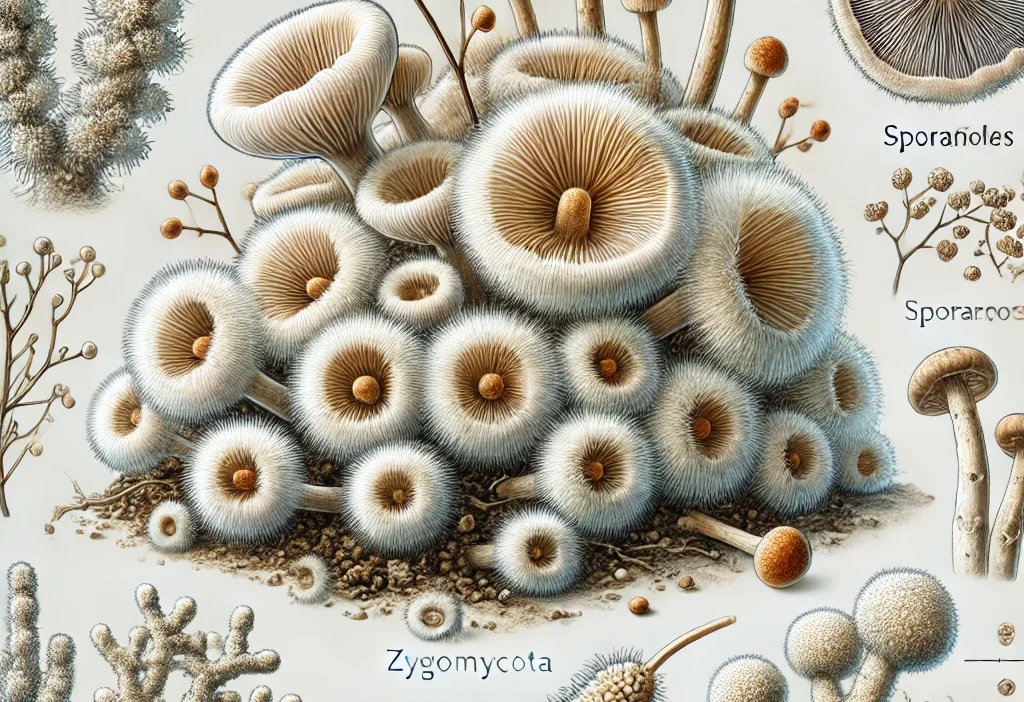
Zygomycota is a group of fungi commonly known as bread molds.These fungi, which multiply rapidly on decaying organic materials, are frequently seen especially on foodstuffs such as bread.While they play an important role in decomposition processes in nature, some species can be effective both in biotechnological applications and in the field of health.In this article, we have prepared detailed content by providing comprehensive information about Zygomycota, from its scientific features to its natural habitats, from its cultural importance to its effects on health.Scientific Name and Other Names Zygomycota was defined as a large group of fungi in an ancient classification system.However, today the fungi in this group are divided into different classifications such as Mucoromycota and Zoopagomycota.Nevertheless, the name Zygomycota continues to be used as an old and common name for these fungi.Rhizopus stolonifer, one of the most well-known species, is popularly known as “bread mold”.The term “Zygomycetes” is also used to describe this group, and this name comes from the thick-walled reproductive structures of the fungi called zygospores.Regions Where It Occurs and Its Physical Characteristics Zygomycota is a group of fungi found widely throughout the world.It grows rapidly, especially in moist environments filled with organic matter.It can frequently be seen on foods such as bread, fruits and vegetables.It is also found extensively in moist soil, rotting leaves and plant residues.Mold that spreads on starchy foods such as bread forms a rapidly growing white, gray or black layer.When examined under the microscope, it is seen that the spore sacs of Zygomycota species have a branched structure and their microscopic structures are tube-shaped.Spore sacs (sporangium) are spore-producing structures that release spores to the environment as they mature.Colonies initially have a whitish appearance and turn dark as the spores mature.These features distinguish Zygomycota from other fungal species.Growth Habitat and Reproduction Mode Zygomycota develops in moist and organic matter-rich environments.It can quickly grow on the surface of foods such as bread, vegetables and fruit.It can also continue to grow in soil and on decaying plant material.This type of fungus can multiply rapidly depending on temperature and humidity levels and can cover a large area in a short time under suitable conditions.Zygomycota are capable of both sexual and asexual reproduction.During asexual reproduction, spores are produced within structures called sporangium.When these spores mature, they disperse into the environment and form new colonies when they reach suitable surfaces.Sexual reproduction occurs through thick-walled structures called “zygospores”.Zygospores enable the fungus to survive in harsh environmental conditions and become reactivated when suitable conditions occur.Season and Harvest Time of Zygomycota Zygomycota species do not have a specific season;However, they can reproduce faster in hot and humid conditions.Although they are more active in nature in spring and summer, they can continue to breed at any time of the year when humid conditions are provided indoors.For example, it can develop in a short time on foods such as bread or fruit left in a moist environment.Therefore, proper storage of food and protection from moisture is important to prevent the growth of Zygomycota.Zygomycota and Its Cultural Importance Zygomycota also has an important place in cultural and economic terms.Particularly Rhizopus species are used in food fermentation and biotechnological applications.For example, Rhizopus fungi are used in the production of some fermented soy products traditionally made in Asian cuisine. However, some species of Zygomycota may also have adverse effects on human health.These infections usually affect the sinus, lung, and skin tissues and can be life-threatening if left untreated.Therefore, it is important for people at risk of exposure to these fungi to be careful, especially in hospitals.Interesting Facts About Zygomycota
- Rapid Growth Ability: Zygomycota species can cover a large area in just a few days under suitable conditions.Rapidly growing mold layers on the surface of foods such as bread are typical examples of this.
- Biotechnological Applications: Rhizopus species are used as enzyme sources in biotechnological productions.For example, these fungal species play an important role in the production of some organic acids and alcohols.
- Natural Biodegradation: Zygomycota contribute to biodegradation processes in nature by decomposing decaying plant materials and organic waste.This helps maintain the nutrient cycle in ecosystems.
- Mucormycosis Disease: In individuals with weakened immune systems, infections called mucormycosis caused by Zygomycota fungi may occur.These infections have been reported in some cases, especially during the COVID-19 pandemic.
Frequently Asked Questions What are Zygomycota?Zygomycota is a group of mold fungi that are widespread throughout the world and grow on organic materials.It is frequently seen on foods such as bread, fruits and vegetables.How do Zygomycota reproduce?Zygomycota reproduce asexually by producing spores within structures called sporangium.It can also reproduce sexually through thick-walled structures called zygospores.In what conditions do Zygomycota live?Zygomycota grow rapidly in environments that are moist, warm and rich in organic matter.It is especially common on rotting plant material and moist foods.What are the health effects of Zygomycota?Some species of Zygomycota can cause serious infections, such as mucormycosis, in people with weakened immune systems.These infections can affect sinus, lung, and skin tissues.What is the biotechnological use of Zygomycota?Some species of Zygomycota are used in biotechnological processes such as enzyme production and food fermentation.For example, Rhizopus species have an important role in the production of fermented soy products.In which season are Zygomycota most common?Zygomycota grow faster in warm and humid conditions;Therefore, it is more common in nature in spring and summer.However, it can breed indoors under suitable conditions throughout the year.Zygomycota is a group of mold fungi that are widely found in nature and play an important role in the decomposition of organic substances.It attracts attention with both the species used in biotechnological applications and the pathogen species that can cause negative effects on health.In this article, we presented a broad overview of Zygomycota, from its scientific features to its effects on health.It is important to understand the effects of these fungi, known as bread molds, both in nature and on human life, in order to deal with them more consciously…