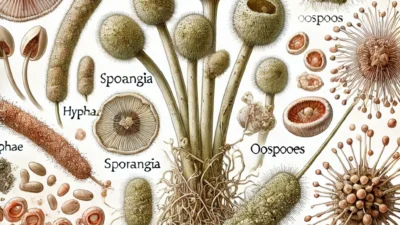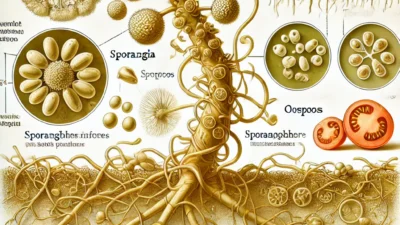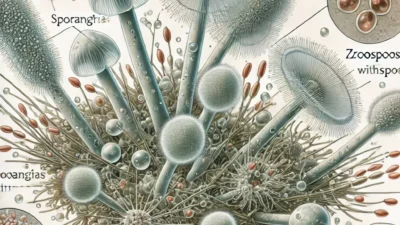
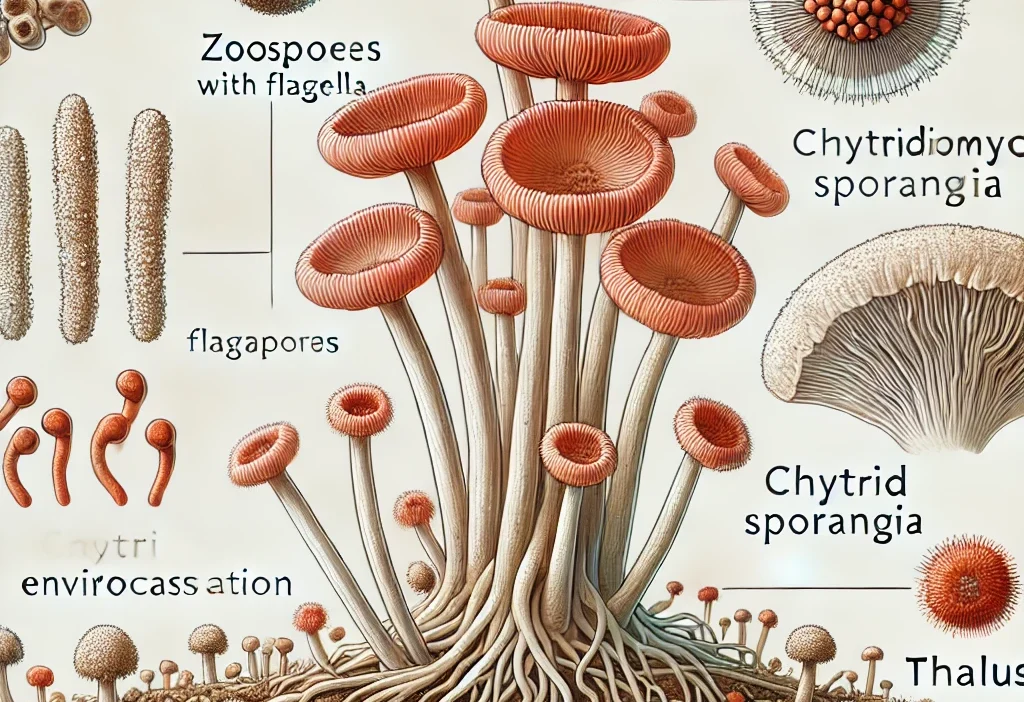
Chytridiomycota is a phylum of fungi that live mostly in aquatic environments and are usually microscopic in size.They play an important role in the decomposition of organic matter in aquatic environments, and some species can cause diseases in creatures such as amphibians.Unlike other fungal groups, they produce zoospores that have the ability to move, and thanks to these features, they spread in aquatic ecosystems.In this article, we will present comprehensive information about Chytridiomycota, from its scientific features to its habitat, from its effects on the ecosystem to its cultural importance.Scientific Name and Other Names This group, scientifically called the Chytridiomycota phylum, is among the oldest and primitive members of the fungal world.It is derived from the Greek word “chytridion”, meaning “small vessel”.This name is associated with the special structures carried by zoospores.Although it does not have a well-known name among the public, it can also be referred to as “chytrids” or “water molds” in scientific studies.While the Chytridiomycota phylum is involved in the decomposition of organic substances in nature, some species can also cause infections in amphibians.For example, the species Batrachochytrium dendrobatidis causes a serious disease in amphibians called chytridiomycosis.Areas of Occurrence and Physical Characteristics Chytridiomycota are widely distributed throughout the world and generally thrive in aquatic ecosystems, moist soils and environments rich in organic matter.Areas where water is concentrated, such as ponds, rivers, swamps and puddles, are the natural habitats of these fungi.They can also frequently be found on decaying plant material.Therefore, moist soils of forest areas, surroundings of aquatic plants and swamps are among the places where Chytridiomycota is frequently seen.When examined under the microscope, it is seen that Chytridiomycota can be in unicellular and multicellular forms.Some species have a branched mycelium structure;However, they mostly exhibit simple and microscopic structures.One of the most distinctive features of this group is that they produce flagellated spores called zoospores.These zoospores have the ability to swim in the aquatic environment, allowing them to germinate once they reach a suitable host or surface.These spore structures are resistant to environmental conditions, and these properties increase the ability of Chytridiomycota to spread and survive.Growth Habitat and Reproduction Mode Chytridiomycota lead a water-dependent life and mostly thrive in aquatic and moist environments rich in organic matter.These fungi feed on dead plant materials in areas where water is concentrated and play an important decomposer role in ecosystems by breaking down these materials.Decaying leaves, wood chips, and submerged organic debris are growth and breeding grounds for Chytridiomycota.Additionally, some species can live as parasites on animals and cause serious health problems, especially in amphibians.Reproduction of Chytridiomycota can occur by sexual and asexual means.During asexual reproduction, it forms zoospores within structures called zoosporangium.Zoospores can move in water thanks to their flagella and germinate by attaching to a suitable surface.Sexual reproduction occurs by the union of cells called gametes, and as a result of this process, thick-walled and durable structures are formed.Products of sexual reproduction are resistant to environmental challenges and can survive for long periods of time.These durable structures can re-germinate and form new mycelium when adverse conditions end.Season and Range of Chytridiomycota Chytridiomycota can be active in aquatic environments throughout the year;However, it can reproduce faster, especially in spring and autumn, when the water temperature is suitable. During the summer months, small water sources such as ponds and puddles may dry out;However, even during this period, they can survive thanks to their durable structure and become active again when water levels rise again.Especially in cool and humid environments, zoospores can spread over large areas through the movement of water.Therefore, the presence of Chytridiomycota may fluctuate in ecosystems depending on seasonal changes.Chytridiomycota and Their Effects on the Ecosystem Chytridiomycota plays an important decomposer role in ecosystems and is involved in the breakdown of organic substances.These fungi contribute to the nutrient cycle by accelerating the decomposition of dead plant materials in aquatic ecosystems.This process is important to preserve the biodiversity of aquatic environments and improve water quality.The effect of Chytridiomycota on aquatic plants is generally through the breakdown of decaying materials.However, some Chytridiomycota species can also act as parasites and cause diseases, especially in amphibians.The species Batrachochytrium dendrobatidis is recognized as a pathogen that threatens amphibian populations globally and causes a fatal disease called chytridiomycosis.This disease infects the skin cells of amphibians, disrupting skin permeability and disrupting water and electrolyte balance, which can lead to death.This situation poses a significant threat to biodiversity.Interesting Facts About Chytridiomycota
- One of the Oldest Fungal Groups: Chytridiomycota is considered one of the most primitive groups of the fungal world and can be traced back to ancient times in the fossil record.
- Movement of ZoosporesAbility: Chytridiomycota produces zoospores that have the ability to move, unlike other fungi.These spores can spread by swimming in the aquatic environment.
- Caused the Amphibian Crisis: Batrachochytrium dendrobatidis is a disease that has caused declines in amphibian populations worldwide and has contributed to the extinction of many species..
- Water QualityContributes: Chytridiomycota contributes to the purification of water by accelerating the decomposition of dead organic matter in aquatic environments.
Frequently Asked Questions What is Chytridiomycota?Chytridiomycota is a fungal phylum that lives in aquatic and moist environments and is microscopic in size.It plays a role in the decomposition of organic materials, and some species can infect living things as parasites.How do Chytridiomycota reproduce?It reproduces asexually by producing flagellated spores called zoospores.They can also create durable structures through sexual reproduction.In what environments do Chytridiomycota live?It lives in moist and aquatic environments, in ponds, rivers, swamps and on decaying plant material.It thrives in areas where water is dense.What is the contribution of Chytridiomycota to ecosystems?Chytridiomycota contribute to the nutrient cycle of aquatic ecosystems by breaking down organic matter.In this way, it helps protect water quality and increase biodiversity.In which season are Chytridiomycota more common?It can reproduce and spread faster in spring and autumn when the water temperature is suitable.Its activity increases during rainy periods.Are Chytridiomycota harmful to amphibians?Some species, especially Batrachochytrium dendrobatidis, can cause a fatal disease called chytridiomycosis in amphibians, which can lead to serious declines in amphibian populations. At the same time, some species can cause serious diseases in amphibians, posing a threat to biodiversity.In this article, we presented a broad overview of Chytridiomycota, from its scientific features to its effects on the ecosystem and its biological importance.Understanding the role of Chytridiomycota in nature is of great importance to maintain the health of aquatic ecosystems and maintain biodiversity…