Candida albicans is a yeast fungus that is commonly found in the human body and is mostly harmless.However, when the immune system is weakened or changes occur in the body balance, this fungus can lead to some serious infections.Infections in the mouth, digestive system, and genital area are the most common effects of Candida albicans.Learning more about Candida albicans can help us understand the biology and health effects of this fungus.Scientific Name and Classification of Candida albicans Candida albicans is a member of the fungi kingdom (Fungi) and falls into the category of yeast fungi.When scientifically detailed, it is classified as follows:
- Kingdom: Fungi (Fungi)
- Phylum: Ascomycota
- Class: Saccharomycetes
- Order: Saccharomycetales
- Family: Saccharomycetaceae
- Genus: Candida
- Species: Candida albicans
This classification shows the place of Candida albicans in biodiversity and its closeness to other fungal species.Other Names of Candida albicans Candida albicans can be referred to by different names depending on various health conditions and areas of use.Here are other known names of this fungus:
- Candidiasis Fungus: This name is used to describe infections caused by Candida albicans.
- Oral Thrush Fungus: This is the name given when thrush (fungal infection) occurs in the mouth.
- Genital Yeast Infection: Used especially for the condition known as vaginal candidiasis in women.
- Natural Flora Fungus: Part of the intestinal and skin flora
These names include Candidaalbicans is defined in different health and biological contexts.Regions Where Candida albicans Occurs Candida albicans is normally found as part of the natural flora of the human body.However, under favorable conditions, it can multiply and cause infections.Here are the areas where this fungus is frequently found:
- Mouth and Throat: Candida albicans can be commonly found in the mouth, tongue and cheeks.Infections called oral thrush are frequently seen, especially in babies and the elderly.
- Digestive System: Candida albicans is a part of the intestinal flora and is found in the digestive system without causing any problems under normal conditions.However, it may proliferate excessively after antibiotic use.
- Genital Area: It is found naturally in the vaginal area of women.However, in case of hormonal changes or weakening of the immune system, it may cause a vaginal fungal infection.
- Skin and Nails: Candida albicans can cause fungal infections in moist and warm areas of the skin.This condition usually occurs between the toes or in areas such as the armpit.
Candida albicans can persist in many different parts of the human body and can cause infection under certain conditions.Physical Characteristics of Candida albicans Candida albicans is a microscopic yeast fungus that can be found in different forms in the human body.Here are some basic physical features of this fungus:
- Cell Structure: Candida albicans is a single-celled organism and has a eukaryotic structure.It has a nucleus and membrane-bound organelles.
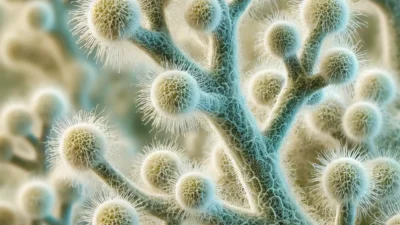
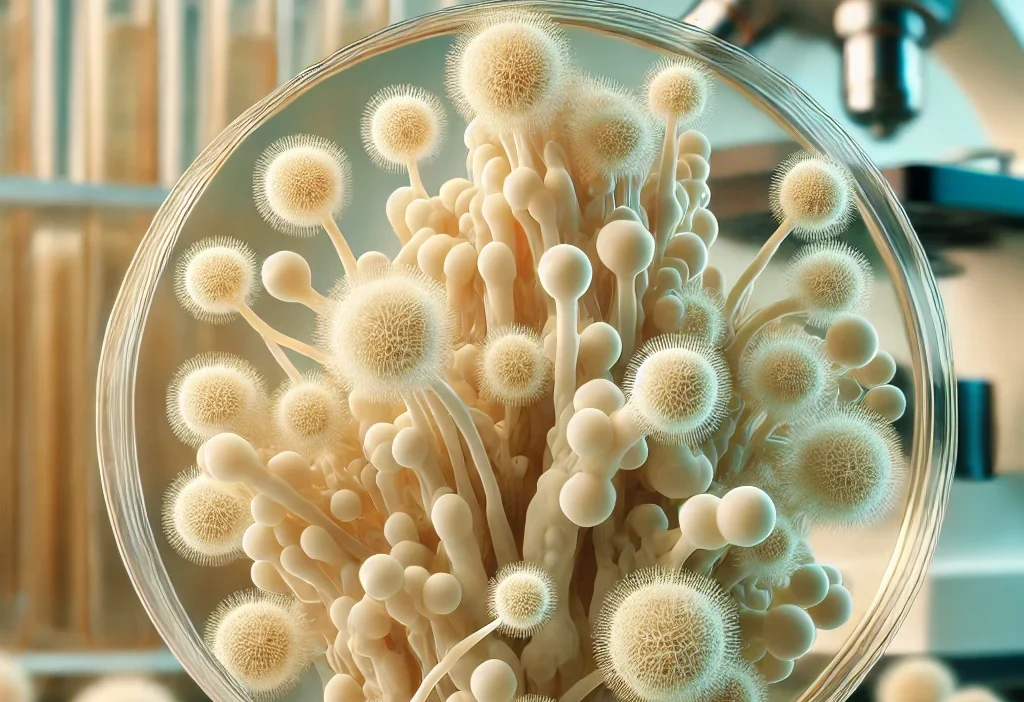
- Dimorphic Structure: This fungus can be found in both yeast form (single-celled) and hyphal form (long, thread-like structures). This process occurs from a cell to a small cell.It occurs as the bud emerges and turns into a new cell.
- CapsuleStructure: Candida albicans has a special external structure that helps protect it against the immune system.Growing Habitat and Season of Candida albicans Candida albicans tends to multiply especially in warm and humid environments.However, it can also survive in a variety of environmental and intrabody conditions.Here are the ideal growth environments for this fungus:
- Humid and Warm Environments: Candida albicans can multiply rapidly in moist and warm areas, especially in body folds, armpits and genital area.
- Immune System Weakness: In individuals with weakened immune systems (e.g. HIV/AIDSCandida albicans infections are more common in patients.
- After Antibiotic Use: When antibiotic use kills the bacteria in the intestinal flora, it can lead to uncontrolled proliferation of Candida albicans.
- Seasonal Factors: Candida albicans infections usually occur in hot and humid conditions.It increases in the summer months.However, it can also be seen in winter months due to closed and humid environments.
Candida albicans needs warmth, moisture and appropriate food sources to survive and can spread rapidly under these conditions.Interesting Facts About Candida albicans Candida albicans has many interesting features in the world of health and biology.Here is some interesting information about this fungus:
- Escape Mechanisms to the Immune System: Candida albicans can create hyphal structures to escape from immune system cells and thus spread throughout the body.
- Balance with Probiotics: Probiotic bacteria such as Lactobacillus protect against excessive Candida albicans.It provides balance in the body by preventing its proliferation.
- Old Medical Records: Candida infections have been known since ancient times and have been tried to be treated in different cultures.Herbal treatments were developed for candida-related problems in ancient Chinese and Indian medicine.
- Resistant Species: Candida albicans contains species that can develop resistance to antifungal drugs.This is an important problem that makes the treatment process difficult.
This information shows how biologically complex and interesting an organism Candida albicans is.Cultural Importance of Candida albicans In addition to being medically important, Candida albicans also attracts attention with some cultural and social aspects:
- Medical Importance: Candida albicans, immunityIt is of great importance in the field of medicine because it can cause serious health problems in individuals with weakened systems.
- Natural Treatment Methods: In some cultures, various methods have been developed to treat Candida albicans infections with herbal and natural methods.For example, garlic, ginger and probiotics are frequently used for this purpose.
- Social Awareness: Candida infections such as vaginal candidiasis and oral thrush have been the subject of important awareness campaigns on women’s health and baby health.
The medical and cultural importance of Candida albicans also contributes to increasing health awareness in society. How is Candida albicansdoes it multiply?This fungus reproduces by an asexual method called budding.In favorable conditions, it can become more invasive by forming hyphal structures.How is Candida albicans infection treated?Candida albicans infections are usually treated with antifungal medications.Treatment duration and method vary depending on the type and severity of the infection.What is the Candida diet?The Candida diet is a diet program that aims to reduce carbohydrate and sugar consumption to limit the proliferation of the Candida fungus.Is Candida albicans harmful?It is harmless under normal conditions.However, when the immune system is weakened, it can cause infections, especially in the mouth, skin, digestive system and genital area…