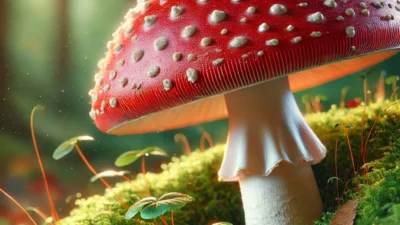

Amanita phalloides: Angel of Death Mushroom
Amanita phalloides, popularly known as the “Angel of Death”, is known as one of the deadliest mushroom species in the world..In this article, we will cover all aspects of this dangerous mushroom in depth, providing comprehensive information from where it is found to its toxicity level.This information, which is of vital importance especially for amateur mushroom pickers and nature enthusiasts, is of great importance in preventing poisoning cases.
What is Amanita phalloides?
Amanita phalloides is a member of the mushroom family.It is one of the most dangerous members.It is known as the “Angel of Death” and is known for the deadly amatoxin substance it contains.When this poison enters the human body, it severely damages the liver and can be fatal if left untreated.This mushroom, found in many parts of the world, is a species that requires extreme attention.
Scientific Name and Other Names
- Scientific Name:Amanita phalloides
- Family:Amanitaceae
- Common Names: Angel of Death, Death Cap, Green Death Cap
The scientific name of Amanita phalloides is derived from its morphological structure and toxicity.The genus “Amanita” includes a variety of poisonous mushrooms, and “phalloides” comes from the penis-like appearance of the immature form of the mushroom.While the name “Angel of Death” in Turkish is used to emphasize the deadly effects of the mushroom, it is called “Death Cap” in English.
Appearance and PhysicalCharacteristics
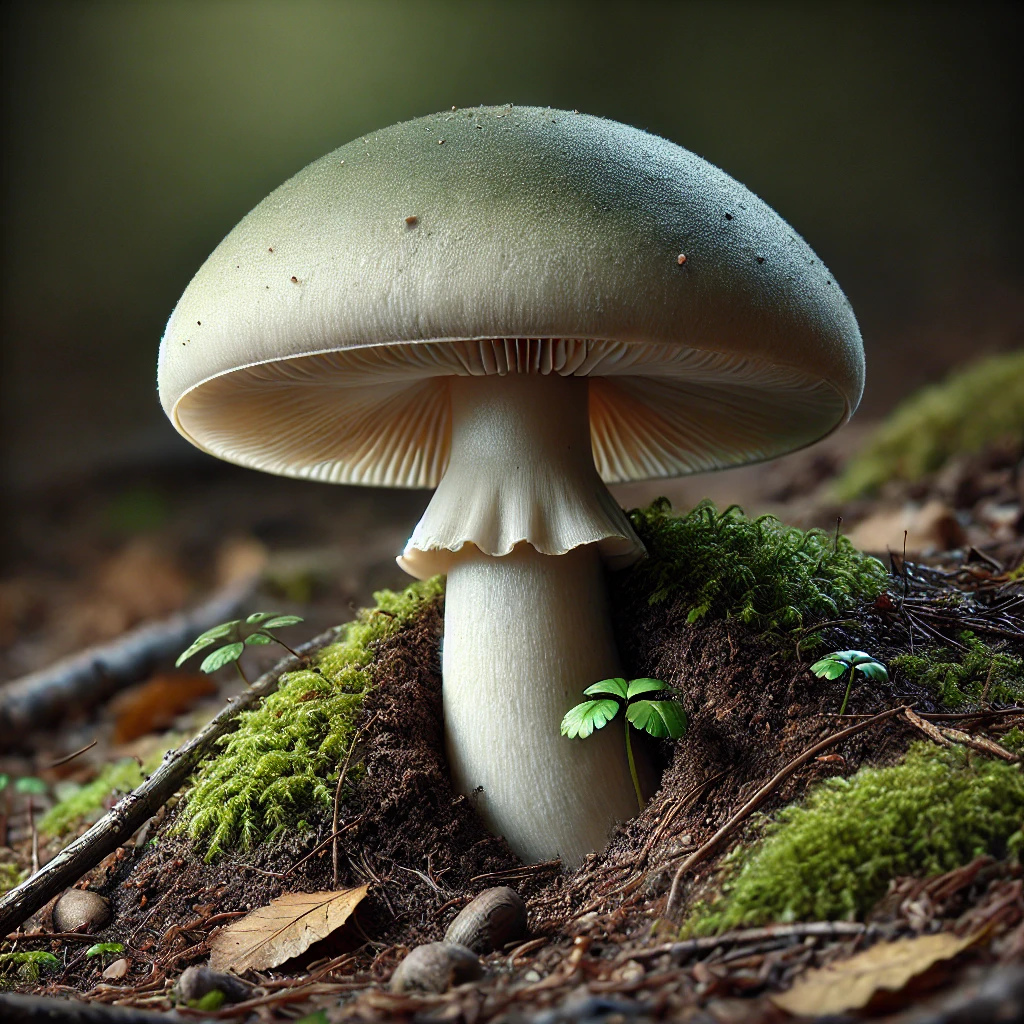
The external appearance of Amanita phalloides can be misleading for inexperienced mushroom pickers.Therefore, it is extremely important to describe the physical properties of the mushroom in detail:
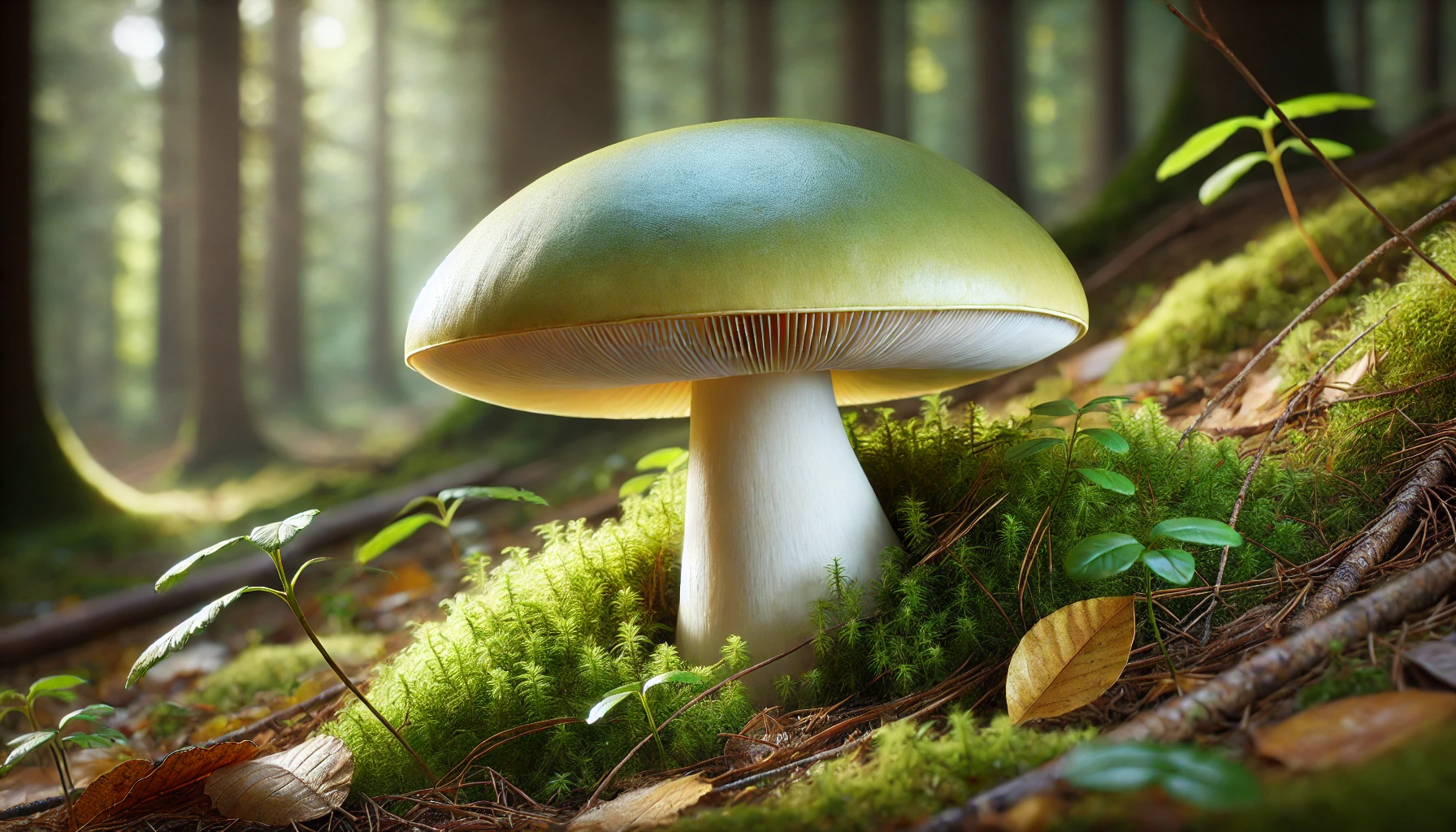
- Hat: 5-15 cm in diameter, dome-shaped when young, and flattens as it matures.The color scale can vary from greenish, yellowish, sometimes even brown tones.The upper part of the hat is shiny and slightly sticky.
- Lamellar: White and free lamellae are arranged tightly at the bottom of the hat.
- Handle:It is white in color, 8-15 cm long, 1-2 cm in diameter, and expands in the form of a bulb at the base of the mushroom.Young mushrooms have a white “ring”.
- Poisonous Part: All parts are poisonous;However, especially the hat part contains a high amount of amatoxin.
Habitat and Regions of Occurrence
Amanita phalloides is generally found in temperate climates and seen in deciduous forest areas.The most common habitats for the fungus are as follows:
- Growing Habitat: Calcareous soils, found under broad-leaved trees such as oak, beech, chestnut and pine trees.Amanita phalloides feeds by establishing a mycorrhizal relationship with the roots of these trees.
- Areas of Occurrence: While it is found naturally in a large part of Europe, it is found in North America, Australia and Asia through accidentally imported trees.It has also spread to some regions.
- Growing Season: Usually summerIt is seen in the late and autumn months, especially between August and November.
Amanita phalloides Toxicity and Effects
The toxicity of this mushroom, known as the Angel of Death, is due to the amatoxins it contains. These toxins cause cell death by inhibiting protein synthesis.
Interesting Information and Cultural Significance
- Historical Events: Amanita phalloides, from the Ancient Roman periodIt has been a known poison ever since.It is rumored that this mushroom was used in the death of Emperor Claudius.
- Cultural Perception: Mushroom is popularly called the “Deadly Gift of the Forest” in Europe.In Turkey, the name “Angel of Death” has aroused fear and curiosity among the public.
- Misleading Appearance: It is easy to confuse it with edible mushrooms.Especially the color of the cap, which resembles edible mushrooms, increases the risk of accidental collection.
Misconceptions About Amanita phalloides
There are many misconceptions about this dangerous mushroom.Here are the most common misinformation and their truths:
- Misinformation: “The poison disappears when cooked.”Fact: Amatoxins are resistant to high temperatures and are not destroyed by cooking.
- Misbelief: “All poisonous mushrooms are bitter or foul-smelling.”Fact: Amanita phalloides can be quite ordinary in taste and smell and therefore difficult to distinguish from edible mushrooms.
- False: “Poisonous mushrooms grow only in forested areas.”Fact: Amanita phalloides can be seen in parks and gardens as well as in woodlands.

Other Mushrooms Confused with the Angel of Death
Amanita phalloides can be confused with some edible mushroom species.This confusion can lead to serious poisoning:
- Amanita caesarea (Caesar Mushroom): It is an edible mushroom;However, it has a very similar appearance to Amanita phalloides.
- Agaricus species: They are white, widely consumed mushrooms.However, some species may be of similar size and color.
Things to Consider When Collecting Amanita phalloides
It is important to pay attention to the following warnings when collecting mushrooms:
- Do Not Collect Without Knowledge:It is recommended that inexperienced pickers definitely stay away from this species.
- Have It Checked by an Expert: Be sure to show the mushrooms you collect to an expert.
- Avoid Hand-to-Hand Consumption: Those You Do Not TrustDo not buy or eat mushrooms from sources.
The Angel of Death Mushroom and Its Role in the Ecosystem
Amanita phalloides also plays an important role in the ecosystem:
- Mycorrhizal Relationship: It helps feed trees by establishing a symbiotic relationship with tree roots.
- Contribution to Soil Structure: It contributes to the transformation of organic matter on the forest floor and improves soil quality.
Is Amanita phalloides dangerous? Yes, it is extremely dangerousIt is a type of mushroom and can cause fatal poisoning due to its amatoxin content.
How is Amanita phalloides recognized? It is known for its greenish-yellowish cap, white lamellae and bulb-shaped stem base.
In which months does Amanita phalloides grow? Usually at the end of summerIt is seen in autumn and autumn months, and is common between August and November.
In which regions is the Angel of Death found? It is seen primarily in Europe, but also in some parts of North America, Asia and Australia.
What kind of poisoning does Amanita phalloides cause? Symptoms of poisoning begin within 6-12 hours, continue with severe nausea and diarrhea, and lead to liver failure.
Does cooking make Amanita phalloides safe? No, cooking does not destroy amatoxins. Due to its appearance, it can be easily confused with edible mushrooms and the highly lethal nature of the amatoxin substance it contains makes this mushroom extremely dangerous.makes it dangerous.