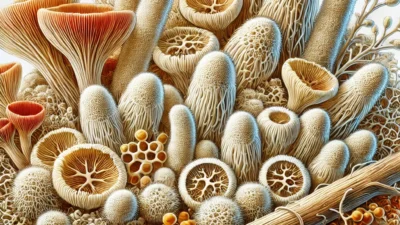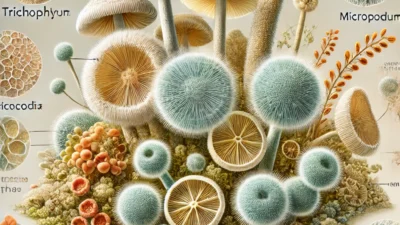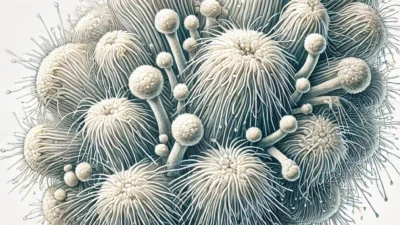
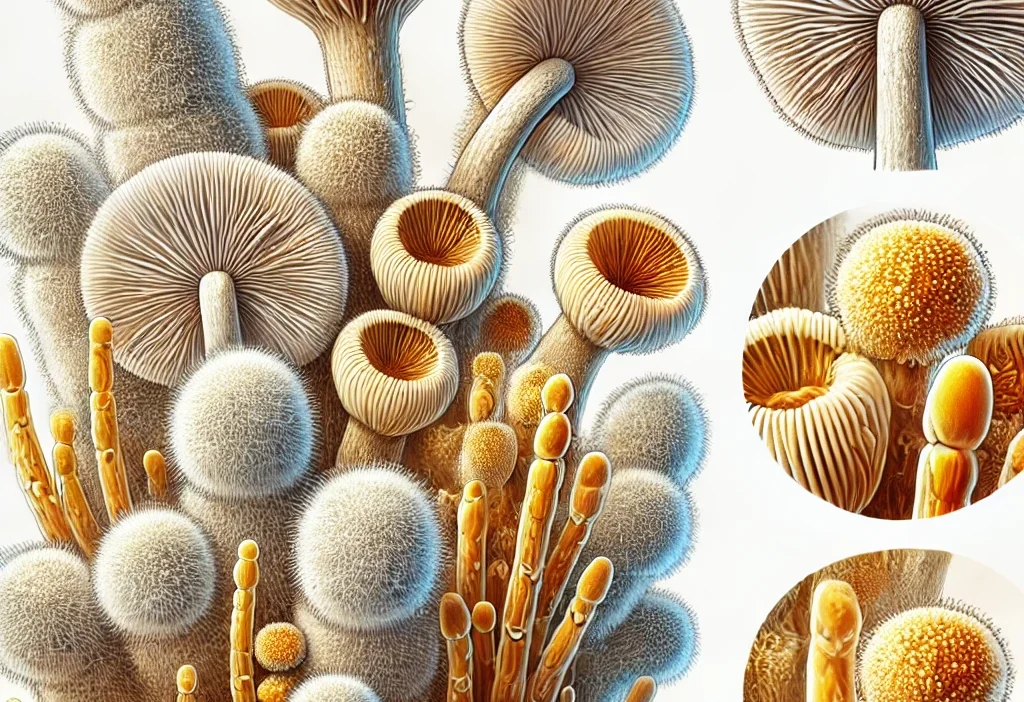
Microsporum species are species belonging to the dermatophyte fungi group that can infect the skin, hair and nails of humans and animals.They are known to cause infections of the scalp, especially ringworm (tinea capitis).These fungi, which are common throughout the world, tend to develop in warm and humid environments and attract attention with their infectious properties.In this article, we will provide detailed information about Microsporum species, from their scientific characteristics to their habitat, from their effects on health to their cultural importance.Scientific Name and Other Names Scientifically, there are many different species belonging to the genus Microsporum.Species such as Microsporum canis, Microsporum gypseum and Microsporum audouinii are among the most well-known species that can cause infection in humans and animals.The name “Microsporum” means “little spore” in Latin, and this name refers to the small size of the microscopic spore structures of the fungus.Among the public, infections caused by these fungi are known as “ringworm” or “skin fungus”.Areas of Occurrence and Physical Characteristics Microsporum species are widespread throughout the world and are more common in hot, humid climates.Moist soil, animal fur, infected surfaces and human skin are areas where this fungus can spread.Gyms, swimming pools, bathrooms and other common areas are places where the risk of spreading Microsporum infections is high.Pets, especially cats and dogs, can be carriers of this fungus and transmit it to humans through direct contact.When examined under the microscope, it is seen that Microsporum species have branched hyphae and their spores are formed by structures called microconidia and macroconidia.Macroconidia have thick and multicellular walls, which increases their durability.Colonies generally grow in white or yellowish colors in the culture medium and their surfaces have a cottony texture.Spores of Microsporum can easily spread into the environment and quickly form new colonies in suitable environments.Growth Environment and Reproduction Mode Microsporum species grow in tissues containing keratin and meet their nutritional needs by breaking down these tissues.Therefore, keratinous tissues such as hair, skin and nails are the target areas of the fungus.Humid and warm environments encourage fungal growth.Especially closed and airless environments provide suitable ground for the rapid reproduction of the fungus.Ringworm infections are known for the fungus settling in the hair follicles and causing hair loss.Microsporum species are capable of both asexual and sexual reproduction.During asexual reproduction, it produces spores called conidia and these spores are dispersed into the environment.Sexual reproduction occurs through durable structures called zygospores.Spores can be transmitted to humans and animals on moist surfaces or through direct contact.Therefore, items such as towels, hairbrushes, and bed linens used by infected people play an important role in the spread of the infection.Season and Spread Period of Microsporum Species Microsporum infections are generally more common in the summer months.This is because people sweat more in hot weather and the skin remains moist for a long time.Additionally, increased time spent in public areas such as swimming pools, beaches and gyms during the summer months increases the risk of spreading the infection.In winter months, the risk of infection may continue due to increased time spent in closed areas and low ventilation conditions.Therefore, it is important to pay attention to hygiene and cleaning rules throughout the year to protect from Microsporum infections. These infections are usually superficial and can be controlled with the right treatment methods.These lesions take on a ring-shaped appearance and their surroundings expand while the center heals.
Microsporum infections are usually superficial and can be treated with antifungal creams and medications.However, if left untreated, the infection can spread to a large area and become chronic.In individuals with weak immune systems, infection can cause more serious health problems.Therefore, early diagnosis and appropriate treatment of infections is important.Interesting Information About Microsporum Species
- Can Be Transmitted from Animals to Humans: Microsporum species can be transmitted to humans, especially from domestic animals such as cats and dogs.Therefore, regular veterinary control of pets reduces the risk of infection.
- Described in Ancient Medical Texts: Infections caused by Microsporum are among the diseases known since ancient times and described in medical texts.Hippocrates mentioned such fungal infections in his works.
- Ring Shaped Lesions: Microsporum infections cause ring-shaped redness and flaking on the skin.This image is an important clue in recognizing fungal infections.
- Avoids Direct Sunlight: Exposure to sunlight can inhibit the growth of Microsporum species.Therefore, infection is less common on areas of skin exposed to sunlight.
Frequently Asked Questions What is Microsporum?Microsporum is a genus of fungi among dermatophytes that can infect hair, skin and nails.It causes infections, especially ringworm (tinea capitis).How is Microsporum transmitted?It can be transmitted through direct contact, infected surfaces, or contact with infected animals.The risk of infection increases in humid and hot environments.How are Microsporum infections treated?It is treated with antifungal creams and medications.Treatment duration varies depending on the location and severity of the infection.What are the symptoms of Microsporum infections?Symptoms such as itching, redness, flaking, ring-shaped lesions and hair loss may occur.Symptoms may vary depending on the area of infection.How to protect from Microsporum infections?Paying attention to personal hygiene, avoiding humid environments and not walking barefoot in common areas can reduce the risk of infection.In which season is Microsporum more common?It is more common in hot and humid summer months.However, it can also be seen in closed and humid areas during winter months.Microsporum species are an important group of fungi that cause skin, hair and nail infections.These fungi, which must be handled carefully due to their effects on human health, can spread rapidly in humid and warm environments.Personal hygiene and taking appropriate precautions are of great importance to reduce the risk of infection.In this article, we have presented a comprehensive overview of Microsporum species, from their scientific characteristics to their health effects and cultural significance.