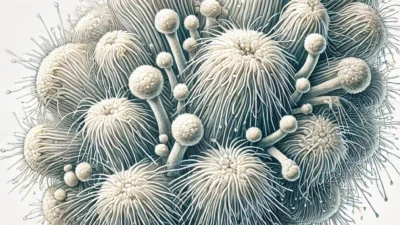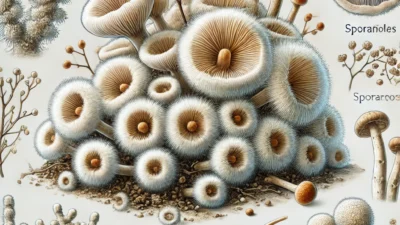
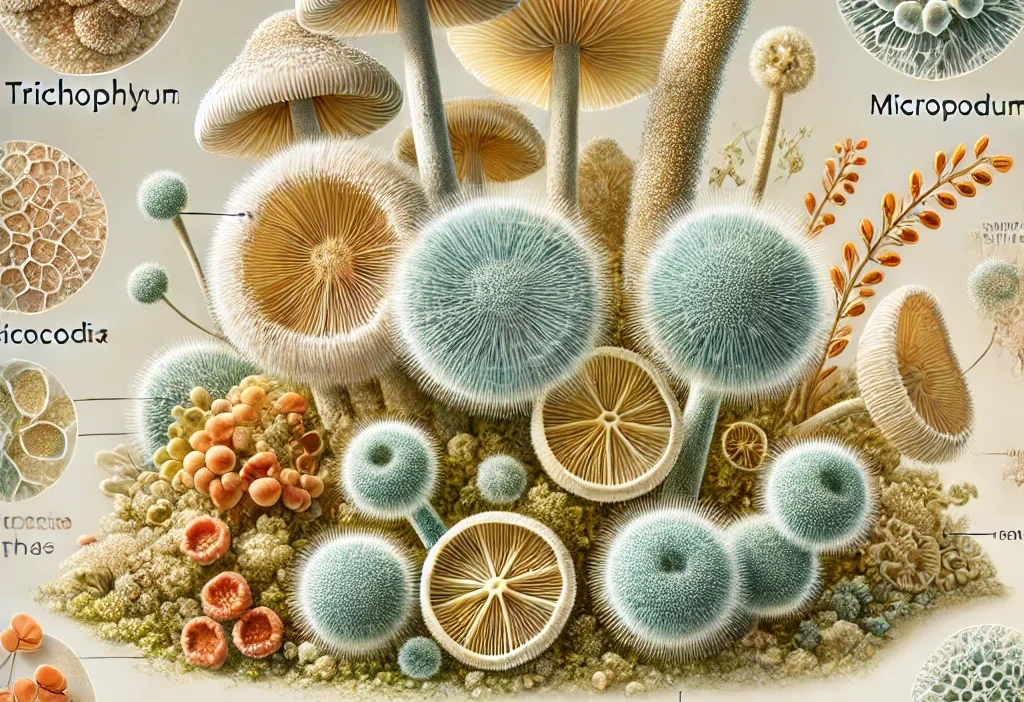
Dermatophytes are a group of fungi that can infect keratinized tissues such as skin, nails, and hair.These fungi, which cause various skin diseases in humans and animals, usually cause superficial infections and manifest themselves in different clinical forms called “tinea”.In this article, we will provide comprehensive information about Dermatophytes, from their scientific features to their habitats, from their effects on health to their cultural importance.Scientific Name and Other Names Dermatophytes are a group that generally includes fungal species belonging to the genera Trichophyton, Microsporum and Epidermophyton.Scientifically, these fungi are classified as “keratinophils” because they can infect keratinized tissues.Dermatophyte infections have different names depending on the area they infect: For example, the infection on the scalp is called “tinea capitis” (ringworm), and the infection on the feet is called “tinea pedis” (athlete’s foot).Infections caused by these fungi are popularly known as “fungal disease” or “skin fungus”.Where They Occur and Their Physical Characteristics Dermatophytes are widely found in hot and humid climates throughout the world.Moist areas on human skin, animal fur, soil and moist surfaces are areas where these fungi are frequently encountered.Especially humid public areas such as gyms, swimming pools and bathrooms play an important role in the spread of dermatophyte infections.Children, the elderly, and individuals with weakened immune systems are more susceptible to dermatophyte infections.When examined under the microscope, dermatophytes appear to have a structure consisting of branched hyphae and produce spores called microconidia or macroconidia.Spores are important for the reproduction and spread of the fungus.Dermatophytes attach to keratinous tissues, multiply rapidly there and infect the surface of the tissues.This infection causes symptoms such as flaking, itching, redness and sometimes blisters on the skin surface.Growth Environment and Reproduction Mode Dermatophytes develop in keratin-containing tissues and meet their nutritional needs by breaking down these tissues.Therefore, human and animal skin, hair, and nails are the most common targets of dermatophytes.Humid and warm environments are ideal for these fungi to grow.Staying in closed and stuffy spaces for a long time and keeping the feet or body damp increases the risk of dermatophyte infection.Dermatophytes are capable of both sexual and asexual reproduction.During asexual reproduction, they spread into the environment by producing spores called conidia.These spores can be transmitted to humans from infected surfaces or through direct contact.Sexual reproduction is generally less common, but it increases genetic diversity and ensures the resistance of the fungus to environmental changes.This reproductive ability of dermatophytes enables them to spread rapidly and persist in different environments.Season and Spread Period of Dermatophytes Although dermatophyte infections do not have a specific season, they are more common in the summer months.This is because people sweat more in hot weather and the skin remains moist for a long time.Additionally, increased time spent in public areas such as pools, beaches and gyms during the summer months increases the risk of spreading fungal infections.Increasing time spent indoors during winter months may cause dermatophyte infections, especially in humid environments.Dermatophytes and Their Effects on Health Dermatophytes cause a variety of skin infections in humans and animals.These infections affect the superficial layers of the skin and manifest themselves with symptoms such as itching, redness and flaking. They can be controlled with antifungal medications and cream treatments.It can cause more serious health problems in individuals with weak immune systems.Therefore, early diagnosis and appropriate treatment of dermatophyte infections are important.Interesting Facts About Dermatophytes
- Prevalence in Common Use Areas: Walking barefoot in common use areas such as gyms, swimming pools and saunas is an important factor in the spread of dermatophyte infections.Therefore, using slippers in such areas is important in protecting against infection.
- Ring Shaped Lesions: Dermatophyte infections usually cause ring-shaped rashes on the skin, and this appearance is a characteristic symptom of “tinea” infections.
- Can Be Transmitted from Animals to Humans:Dermatophytes can be transmitted from pets to humans.Dermatophyte infections are especially common in cats and dogs, and this condition can also be transmitted to humans.
- Diseases Known Since Ancient Times: Dermatophyte infections are one of the health problems that have been known since ancient times and affect humans.Hippocrates mentioned some skin diseases caused by dermatophytes in his works.
Frequently Asked Questions What are dermatophytes?Dermatophytes are a group of fungi that can infect keratinized tissues such as skin, hair and nails.The most common species are Trichophyton, Microsporum and Epidermophyton.How are dermatophytes transmitted?These fungi can be transmitted by direct contact, infected surfaces, or ingestion of spores from common areas.The risk of infection increases especially in humid and hot environments.How are dermatophyte infections treated?It is treated with antifungal medications and creams.Treatment duration varies depending on the severity of the infection and its location.What are the symptoms of dermatophyte infections?Symptoms such as itching, redness, flaking, ring-shaped lesions and thickening of the nails may be observed.Symptoms may vary depending on the area of infection.How to protect from dermatophytes?Avoiding walking barefoot in common areas, paying attention to personal hygiene and avoiding direct contact with infected people can reduce the risk of infection.In which season are dermatophyte infections more common?It is more common in hot and humid summer months.However, there is a risk of seeing it in closed and humid areas during the winter months.Dermatophytes are an important group of fungi that cause skin, hair and nail infections.They are common in hot and humid environments, increasing the risk of infection and can cause various health problems.Although infections caused by dermatophytes are generally superficial and treatable, caution is required due to their rapid spread and contagiousness.In this article, we presented a broad overview of dermatophytes, from their scientific characteristics to their effects on health and cultural importance.Understanding dermatophyte infections allows developing more effective prevention and treatment methods against them…