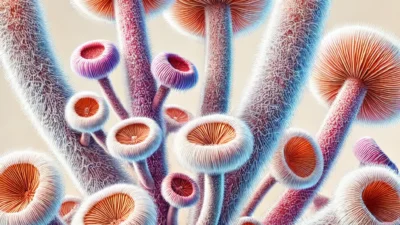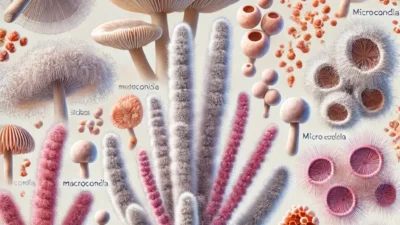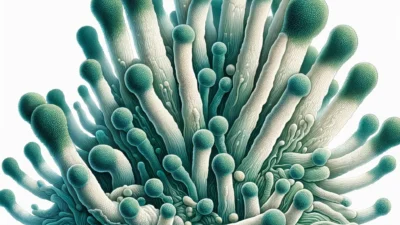
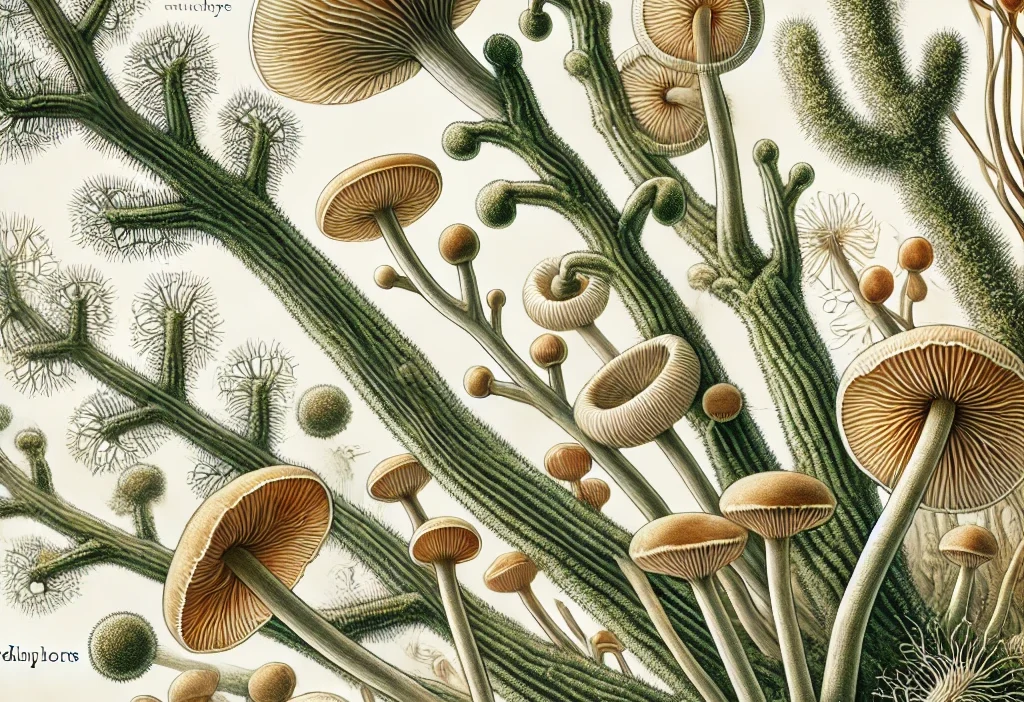
Cladosporium species are a group of mold fungi that are widespread throughout the world and occur in various areas.These types of fungi, which can be present both outdoors and indoors, attract attention especially because they can cause allergic reactions.While in nature it plays a role in the breakdown of organic matter, it can spread rapidly in conditions such as high humidity levels inside the home.In this article, we will provide comprehensive information about Cladosporium species, from their scientific characteristics to their habitat and cultural importance.Scientific Name and Other Names Cladosporium is a genus of mushrooms belonging to the Cladosporiaceae family and is scientifically referred to by this name.The word “Cladosporium” means “branched spore” and refers to the appearance of the fungus’ spore structures under a microscope.Known species include Cladosporium herbarum and Cladosporium cladosporioides.They are often referred to colloquially as “black mold” or “mold fungus” because their colonies are usually dark in color and are commonly seen on walls, window frames or ventilation ducts in indoor spaces.Areas of Occurrence and Physical Characteristics Cladosporium species are widely found throughout the world.It is especially common on soil, plant debris, leaf litter, wood chips and decaying organic materials.They can also easily reproduce indoors in areas with high humidity.For this reason, it is frequently encountered in places such as bathrooms, kitchens, basements and ventilation systems.Physically, Cladosporium fungi have a microscopic structure and colony colors are generally dark green, olive green, brown or black.When examined under the microscope, spores appear to be clustered on branched structures that have a dense, powder-like appearance.Colonies have a cottony or velvety surface and can spread rapidly.Spores of Cladosporium species can be easily carried by wind or air currents and spread over large areas.Growth Habitat and Reproduction Method Cladosporium species grow rapidly in moist, warm and organic-rich environments.In the natural environment, they are commonly found in leaf litter, rotting tree bark, soil and plant surfaces.They can multiply rapidly indoors, on damp surfaces and in poorly ventilated areas.Therefore, the presence of Cladosporium is often observed in homes with high humidity or in places with inadequate ventilation.Cladosporium is capable of asexual reproduction and reproduces by producing spores called conidia.These spores are carried by air currents, attach to different surfaces and form new colonies under suitable conditions.Thanks to the durable structure of the spores, this type of fungus can survive even in arid and harsh conditions.Since they are especially carried by wind, they can easily reach indoors from outdoors.Season and Harvest Time of Cladosporium Species Cladosporium species can be active throughout the year;However, they are seen more frequently especially in hot and humid seasons.While they are commonly found outdoors on plant debris and decaying materials during the spring and summer, they can become active indoors during the winter.Humid and poorly ventilated areas provide an environment suitable for the development of Cladosporium, even in winter.Therefore, to prevent mold growth in homes and buildings, regular humidity control should be carried out regardless of the season.Cladosporium Species and Their Effects on Health Although Cladosporium is common both outdoors and indoors, it is a type of fungus that attracts attention especially because it can cause allergic reactions. People who are sensitive to Cladosporium may experience runny nose, sneezing, cough,Symptoms such as watery eyes may be observed.People living in indoor environments where Cladosporium is concentrated may develop sensitivity to the fungus if exposed for a long time.Therefore, regular cleaning, humidity control and good ventilation are important to reduce the likelihood of fungus growing indoors.Preventing mold growth, especially in humid areas such as basements, bathrooms and kitchens, is a critical step in protecting health.Interesting Information About Cladosporium Species
- Rapid Spreading Ability: Cladosporium spores can spread rapidly to large areas by being carried by wind or air currents.Therefore, its presence in indoor spaces is generally associated with spores carried from outdoors.
- Natural Biodegradation Agent: Cladosporium plays an important role in the breakdown of organic materials in nature.It accelerates the biodegradation of leaf debris and dead plant residues.
- Resistance to Different Climates: Cladosporium species can easily exist in both tropical regions and temperate climates, thanks to their durable structures that can adapt to different climates.
- Cultural and Historical Importance: HistoryThroughout history, Cladosporium has been recognized as a cause of mold growth in indoor spaces and has been a problem especially in old buildings.Nowadays, many studies are being carried out on methods of combating this fungus.
Frequently Asked Questions What is Cladosporium?Cladosporium is a genus of mold fungi commonly found in soil, plant debris, and moist environments.It can multiply rapidly in humid areas indoors and cause allergic reactions.How does Cladosporium reproduce?Cladosporium reproduces asexually by producing spores called conidia.These spores are carried by air, reaching new areas and rapidly forming new colonies under suitable conditions.Under what conditions does Cladosporium live?Cladosporium thrives in environments that are moist, warm and rich in organic matter.It can easily reproduce indoors in places with high humidity and inadequate ventilation.Is Cladosporium harmful to health?Cladosporium spores can cause allergic reactions when inhaled.It may pose a health risk, especially for asthma patients and people with allergic sensitivities.What is the season of Cladosporium?Cladosporium may be active year-round;However, it is found more frequently outdoors, especially in spring and summer.During the winter months, it can breed indoors in humid areas.How to control Cladosporium?Regular cleaning, good ventilation and control of humidity levels are effective methods to prevent the reproduction of Cladosporium indoors.Cladosporium species are mold fungi that are widely found in nature and indoors and play an important role in both ecological balance and human health.While they help break down organic materials in the natural environment, they can spread rapidly in humid areas indoors and cause allergic reactions.In this article, we presented detailed information about Cladosporium, from its scientific properties to its agricultural and health effects.In order to control the spread of Cladosporium and its allergic effects, regular maintenance and humidity control are important to create healthy living spaces…