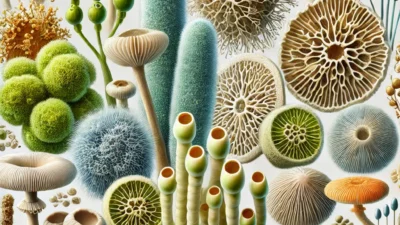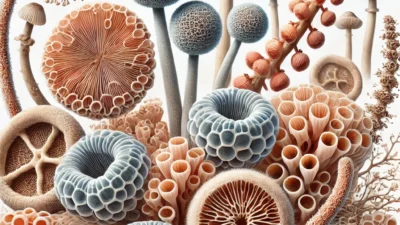
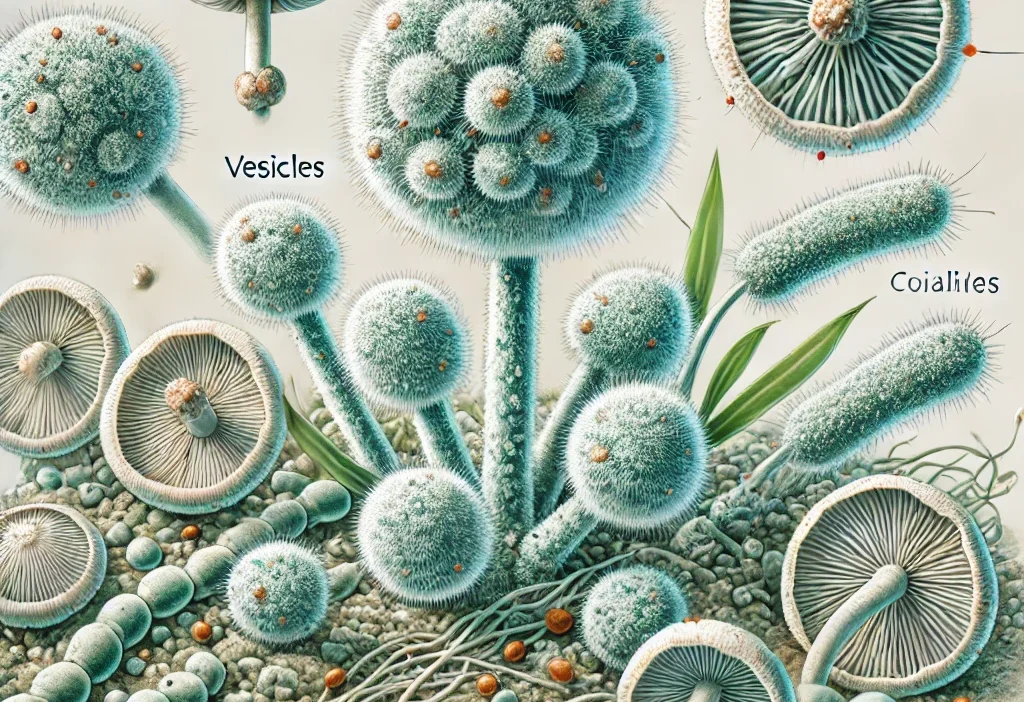
Aspergillus fumigatus is a mold fungus that is widely found in nature and has significant effects on human health.This fungus, which can easily produce spores in the environment, can multiply rapidly in various environments.It is a species that needs to be examined carefully because it can cause health problems, especially in individuals with weak immune systems.In this article, we will examine many details of Aspergillus fumigatus, from its scientific features to its living environment, from its effects on health to its cultural importance.Scientific Name and Other Names Aspergillus fumigatus is a member of the Aspergillaceae family and its scientific name is referred to as such.This species, located in the Aspergillus genus, is especially important in the field of health.Like other Aspergillus species, this fungus gets its name from the appearance of its spore-forming structures under a microscope.The word “Fumigatus” means “smoky” in Latin and refers to the smoke-like appearance of its spore-producing structures.Among the public, this fungus is generally known as “mold fungus”.Regions Where It Is Occurred and Its Physical Characteristics Aspergillus fumigatus has a very wide distribution throughout the world.It is especially common in soil, decaying organic matter, manure, compost and plant residues.It can reproduce quickly in humid and hot environments and is therefore more common in tropical and subtropical regions.However, it can also exist in temperate regions and closed areas.Physically, Aspergillus fumigatus is a microscopic fungus.Colonies are initially white and turn dark green or blue-green as their spores mature.Sports structures are in the form of sports arranged vertically on global titles.These spores can easily spread through the air and pose a risk of transmission to humans through the respiratory tract.Growth Environment and Reproduction Mode Aspergillus fumigatus grows in moist and nutrient-rich environments.Especially manure, rotten leaves, compost piles and moist soils are areas where this fungus is frequently seen.It can also develop indoors under poor ventilation conditions.Therefore, it can breed in damp walls, basements and ventilation systems.Aspergillus fumigatus is capable of asexual reproduction and produces spores called “conidia”.These spores spread easily with air currents and form new colonies when they find a suitable environment.Additionally, it can survive even in harsh conditions with its temperature-resistant structure.This resilience in the breeding process allows this species to spread rapidly in the environment.Season and Harvest Time of Aspergillus fumigatus Although Aspergillus fumigatus does not have a specific season, it becomes more active in hot and humid periods.Therefore, while it is seen more outdoors in summer and spring, it can breed indoors in winter.It can be present at any time of the year, especially in areas with organic fertilizer and compost heaps.However, thanks to its resistance to high temperatures, it can continue to reproduce regardless of the season.Aspergillus fumigatus and its Effects on Health While Aspergillus fumigatus generally does not cause problems in healthy individuals, it can cause serious health problems in people with weak immune systems.When spores of this fungus are inhaled, it can cause various infections in the lungs.The most well-known disease is the respiratory tract infection called “aspergillosis”.Aspergillosis can cause serious and sometimes life-threatening infections of the lungs, especially in individuals with weakened immune systems.In addition, “chronic pulmonary aspergillosis”, in which the fungus concentrates in the respiratory tract and causes obstructions, is also common in people with chronic lung disease. Therefore, it is of great importance to provide good ventilation and control humidity in environments where Aspergillus spores are exposed.Interesting Facts About Aspergillus fumigatus
- Resistance to High Temperatures: Aspergillus fumigatus is resistant to temperatures up to 60°C, which allows it to continue its development in compost piles.
- NaturalBiodegradation Agent: It plays an important role in the breakdown of decaying plant residues and organic materials.Therefore, it contributes to the biodegradation process in ecosystems.
- Antibiotic Resistance: Some Aspergillus fumigatus strains may develop resistance to antifungal drugs.This situation can make treatment processes difficult and complicate medical intervention.
- Use in Various Sectors: Aspergillus fumigatus is also grown in laboratory environments for use in enzyme production and some biotechnological processes.
Frequently Asked Questions What is Aspergillus fumigatus?Aspergillus fumigatus is a type of mold fungus commonly found in soil and decaying organic matter.It can cause respiratory infections in humans.How does Aspergillus fumigatus multiply?Aspergillus fumigatus reproduces by producing spores called conidia.These spores spread through the air and quickly form new colonies when they find a suitable environment.Under what conditions does Aspergillus fumigatus live?It is commonly found in moist and organic matter-rich environments, especially manure piles and compost.It can also grow on damp walls in closed areas.How are Aspergillus infections treated?Aspergillus infections are treated with antifungal medications.However, treatment duration and method may vary depending on the severity of the infection and the person’s health condition.What diseases does Aspergillus fumigatus cause?Aspergillus fumigatus can cause serious respiratory infections called “aspergillosis” in individuals with weakened immune systems.What should be done to avoid exposure to Aspergillus fumigatus?Avoiding humid environments, ventilating closed areas well, and using a protective mask in areas with organic materials can be effective in reducing exposure.Aspergillus fumigatus is a type of fungus that, although commonly found in nature, poses a significant health risk for individuals with weakened immune systems.While it can play useful roles in food production and ecological cycles in nature, its uncontrolled spread in closed areas can cause serious infections.In this article, we discussed the characteristics of Aspergillus fumigatus, its habitat, its effects on health and the precautions that can be taken.In light of this information, it will be easier to understand the potential effects of Aspergillus fumigatus on human health and manage the risks…