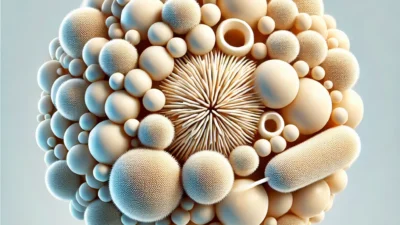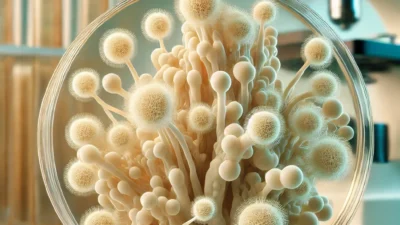
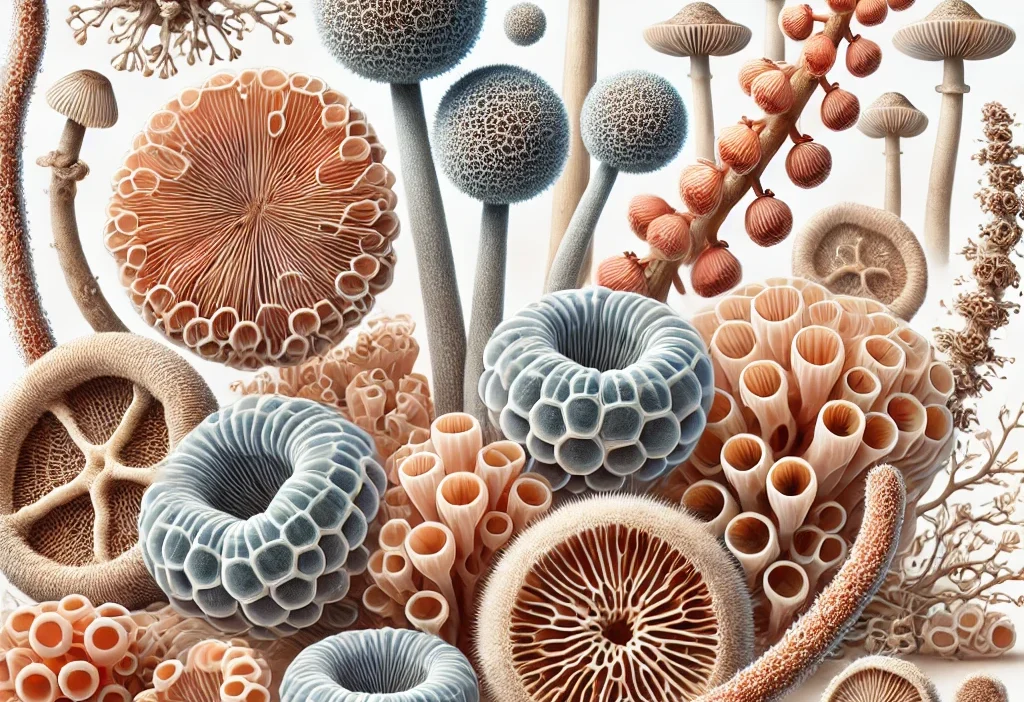
Ascomycota, or marsupial fungi as they are also known, constitute one of the largest and most diverse groups in the fungi world.In addition to their important role in nature, this group of fungi is also of great importance in terms of food production, pharmaceutical industry and environmental balance.In this article, we will discuss all the details you need to know about Ascomycota mushrooms, from their growing conditions to their ecological roles.Scientific Name and Other Names Ascomycota’s scientific name also defines its place in classification.The name Ascomycota is derived from the word “askos” and means “sac” in Greek.This name refers to the special vesicles seen in the reproductive structures of Ascomycota fungi.These fungi include many different genera, such as Aspergillus, Penicillium, Saccharomyces, and some are used in fermentation processes, while others are consumed directly as food.Regions Where They Occur and Their Physical Characteristics Ascomycota mushrooms can be found in almost every ecosystem around the world.They are especially common in environments such as forest areas, decaying organic matter, soil and water.There are species adapted to life in freshwater and marine environments as well as in terrestrial environments.Physically, the most distinctive feature of Ascomycota fungi is the “ascus”, a sac-shaped structure that houses reproductive cells.These vesicles contain the spores of the fungi and release these spores into the environment when they mature.When examined microscopically, the order and order of the spores inside the ascus structure attracts attention.Growth Environment and Reproduction Method Ascomycota mushrooms grow best in moist and organic matter-rich environments.They can survive as parasites on rotting trunks of trees, leaf litter, soil and even living plants.By spreading their mycelium underground, they create a wide network and break down organic matter, thus contributing to the nutrient cycle.Reproductive modes can occur both sexually and asexually.During sexual reproduction, spores develop in sacs called asci.These spores spread into the soil under suitable conditions and spread to the environment by forming new mycelium.In asexual reproduction, they reproduce with spores called conidia, and these spores can spread to large areas with suitable wind currents.Season and Harvest Time of Ascomycota Although Ascomycota mushrooms do not have a specific season, they become more active in humid and hot periods.In temperate regions, spring and autumn are the times when Ascomycota species are densely seen.Some Ascomycota species, especially truffles, grow underground and can be collected in certain seasons.These mushrooms are of great value in the world of gastronomy and are sold for high prices.Ascomycota and Its Cultural Importance Ascomycota mushrooms have had a culturally and economically important place in various periods of human history.For example, the species Penicillium chrysogenum is the source of penicillin, which has been revolutionary in antibiotic production.This marked a major turning point in the development of modern medicine.Additionally, yeast species within the Ascomycota group have been used in bread making and fermentation processes for thousands of years.For example, the Saccharomyces genus used in the production of wine, beer and vinegar is an important member of the Ascomycota family.In addition, enzymes obtained from Ascomycota mushrooms contribute greatly to the economy by being used in various industrial processes.Interesting Facts About Ascomycota
- The World’s Most Valuable Mushrooms: Truffles, which belong to the Ascomycota family, are one of the most expensive foods in gourmet cuisine. Thanks to these features, they are important in ensuring the nutrient cycle in ecosystems.They play a role.
- BiologicalWarriors: Some Ascomycota species can live as parasites on insects.This group has an important role in the natural environment and industrial applications.Where do Ascomycota fungi live?Ascomycota fungi can be commonly found in soil, plant debris, trees, and even aquatic environments.They can develop in any environment rich in organic matter.Why are marsupial mushrooms important?Marsupial fungi are important in ecosystems because they help break down organic matter.They are also widely used in pharmaceutical manufacturing and the food industry.Which Ascomycota species are edible?Truffles and some morel mushrooms are edible mushrooms that belong to the Ascomycota family.However, not all types are safe to consume;Therefore, expert control is required.How do Ascomycota fungi reproduce?Ascomycota fungi can reproduce by both sexual and asexual means.During sexual reproduction, spores are formed in structures called ascus.What is the role of Ascomycota in ecosystems?Ascomycota fungi support the nutrient cycle in the soil by decomposing dead organic matter.Additionally, some species support plant health by establishing symbiotic relationships with plants.Ascomycota fungi are an important group of fungi that play critical roles in nature and also have a wide range of uses in human life.The influence of Ascomycota is seen in many areas, from food production to medical research, from maintaining environmental balance to biotechnological applications.In this article, we have given information about Ascomycota, from its scientific features to its cultural importance, from its habitat to its benefits.Getting to know these unique organisms of nature is important both to understand the ecological balance and to benefit from the opportunities they offer…