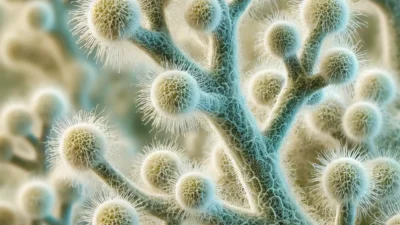
Saccharomyces cerevisiae is one of the world’s best-known and most widely used yeast species.This yeast, which is used both in bread making and beer and wine production, has an important place in human history for thousands of years.This fungus, which has very interesting properties when examined biologically, is also used as a model organism in scientific research.In this article, the scientific properties, areas of use, cultural importance and many other aspects of Saccharomyces cerevisiae will be discussed in detail.Scientific Name and Classification of Saccharomyces cerevisiae Saccharomyces cerevisiae is classified as a member of the kingdom Fungi (Fungi) and belongs to the group of yeast fungi.Its scientific classification is as follows:
- Kingdom: Fungi (Fungi)
- Phrase: Ascomycota
- Class: Saccharomycetes
- Order: Saccharomycetales
- Family: Saccharomycetaceae
- Genus: Saccharomyces
- Species: Saccharomyces cerevisiae
This classification indicates the place of Saccharomyces cerevisiae in biodiversity and indicates its position among other yeast species.Other Names of Saccharomyces cerevisiae Saccharomyces cerevisiae is also known by different names according to its uses and properties in various fields.Here are other commonly known names of this fungus:
- Breader’s Yeast: It is used to start the fermentation process in bread making.
- Brewer’s Yeast: In beer production.The name used as a fermentation agent.
- WineYeast: It is known by this name when used for alcohol fermentation in wine production.
- Nutritional Yeast: It is called by this name when used as a nutritional supplement and due to its rich vitamin B content.
These different names reflect the versatility and variety of uses of Saccharomyces cerevisiae.Regions Where Saccharomyces cerevisiae Occurs Saccharomyces cerevisiae is a type of fungus that can be found naturally throughout the world and can exist in various environments.Here are some areas where this fungus is frequently seen:
- Natural Environments: Saccharomyces cerevisiae is found naturally on the surfaces of fruits and tree barks, especially those rich in sugar.Vineyards and orchards are places where this fungus is frequently seen.
- Fermentation Facilities: Breweries, wine production facilities and bakeries are among the areas where this fungus is densely found.
- Laboratory Environments: Since it is an organism frequently used in genetics and biotechnology research,It is found in laboratories at many universities and research centers.
Saccharomyces cerevisiae is a type of fungus that can adapt in a wide range of environments, from nature to the laboratory.Physical Characteristics of Saccharomyces cerevisiae Saccharomyces cerevisiae is a yeast fungus that is microscopic in size and has some distinct physiological properties.Here is some basic information about the physical characteristics of this fungus:
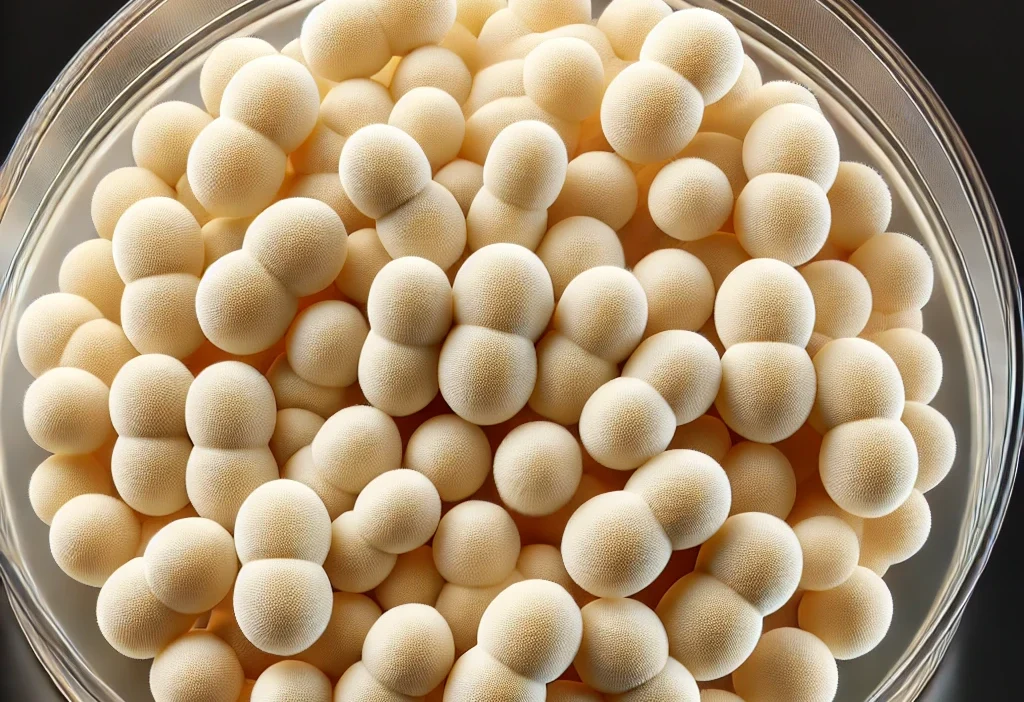
- Cell Structure: Saccharomyces cerevisiae is a unicellular and eukaryotic organism.Their cells are generally round or oval in shape and their sizes vary between 5-10 micrometers.
- Cell Wall: The cell wall consists of glucan and mannan proteins.This structure gives shape to the cell and provides protection against environmental influences.
- Reproduction Method: It reproduces asexually by a method called budding.Growing Environment and Season of Saccharomyces cerevisiae Saccharomyces cerevisiae is a fungus that can multiply rapidly under suitable conditions and can be found in many different environments.is the type.Grapes, apples and other fruits provide a natural food source for this fungus.
- Temperature: Saccharomyces cerevisiae grows best at temperatures between 25°C and 30°C.This temperature range is also ideal during the fermentation process.
- pH Level: Grows best in slightly acidic environments (pH 4-6).This causes the environment to become acidic during fermentation processes.
- Oxygen Status: While it can grow in oxygenated environments, it can produce energy by fermenting in oxygen-free environments.
These flexible growing conditions enable Saccharomycescerevisiae indispensable in industrial production processes.Interesting Information About Saccharomyces cerevisiae Saccharomyces cerevisiae has many interesting features, both scientifically and culturally.Here are some interesting facts about this yeast:
- The First Eukaryote to Have Its Genome Sequenced: Saccharomyces cerevisiae was the first eukaryotic organism to have its genome fully sequenced and is used as a model organism for genetic research.
- Thousands of Years of Use: SaccharomycesThe use of cerevisiae in bread making and beer production dates back approximately 5000 years.It is known to be used in fermentation processes in Ancient Egypt and Mesopotamia.
- Alcohol Resistance: Some Saccharomyces cerevisiae species are resistant to high alcohol levels, and these properties are important in the production of strong alcoholic beverages.
- Growth Experiment in Space:Saccharomyces cerevisiae was sent to the International Space Station (ISS) to study life in space and it was observed how it grows in a low gravity environment.
This information shows what an interesting and versatile organism Saccharomyces cerevisiae is.Cultural Importance of Saccharomyces cerevisiae Saccharomyces cerevisiae has an important place in various cultures and has had a valued place in human life for thousands of years:
- Food Culture: Saccharomyces cerevisiae, breadIt has a key role in the production of staple foods such as beer and wine.These products are among the basic foodstuffs for many cultures.
- Religious and Ritual Uses: Wine is used as a symbolic drink in sacred ceremonies in Christianity.Bread also carries a symbolic meaning in many religious rituals.
- Alternative Medicine and Nutritional Supplements: Saccharomyces cerevisiae supports health due to its high vitamin B content when used as a nutritional supplement.In its form of nutritional yeast, it is popular in vegan and vegetarian diets.
The cultural importance of Saccharomyces cerevisiae shows that it has historical and social value beyond being just a food product.Frequently Asked Questions About Saccharomyces cerevisiae What is Saccharomyces cerevisiae?Saccharomyces cerevisiae is a yeast fungus used in making bread, beer and wine.It is used in these processes thanks to its ability to convert sugars into alcohol and carbon dioxide through fermentation.How does Saccharomyces cerevisiae reproduce?This fungus reproduces by an asexual method called budding.It can quickly form new cells under suitable environmental conditions. This temperature range is ideal for fermentation processes.What are the health effects of Saccharomyces cerevisiae?When used as nutritional yeast, it can support the immune system and improve digestion.However, due to excessive alcohol production, controlled use is important.What is the role of Saccharomyces cerevisiae in fermentation?By converting sugars into ethanol and carbon dioxide, it enables the dough to rise in bread making and creates the alcohol content of beverages such as beer and wine.