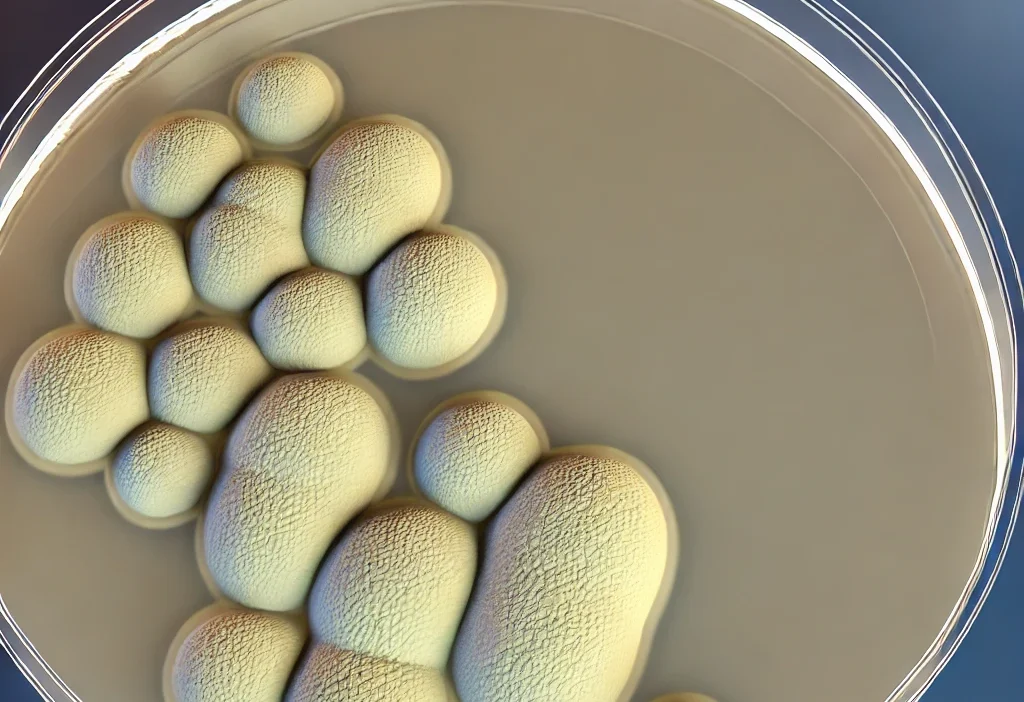
Yeasts are a group of fungi that are microscopic in size and known for their single-celled structure.These fungi, which play a wide variety of roles both in nature and in human life, play a key role in fermentation processes.Yeasts, which have an important place especially in food production and biotechnological applications, also take part in the breakdown of organic substances in nature.In this article, the scientific properties of yeast, the areas in which they are used, their cultural importance and many other aspects will be discussed in detail.Scientific Name and Classification of Yeasts Yeasts are classified as a member of the fungi kingdom (Fungi) and include different genera and species.One of the most well-known yeast genera is Saccharomyces and is used especially in fermentation processes.Here is the general scientific classification of yeasts:
- Kingdom: Fungi
- Phylum: Ascomycota (most yeasts belong to this phylum; some belong to Basidiomycota).may also be included)
- Class: Saccharomycetes
- Order: Saccharomycetales
- Family: Saccharomycetaceae
- Genus: It includes different genera such as Saccharomyces, Candida, Cryptococcus.
This classification shows the place of yeasts in biodiversity and the adaptation of different species.Other Names of Yeasts Yeasts can be called by different names depending on the areas they are used in and their characteristics.Here are some common names for yeasts:
- Brewer’s Yeast: Name used for yeast species used in beer production and alcohol fermentation.
- Breader’s Yeast: It is the general name of the yeast species used in bread making.
- Wild Yeast: The name given to yeasts found in the natural environment and not grown by humans.
- Nutritional Yeast: Deactivated yeast that is rich in vitamin B and used as a nutritional supplement.It is a type of yeast.
These different names reflect the versatility of yeast and its use in different fields.Regions Where Yeasts Occur Yeasts have a wide distribution throughout the world and can live in various environments.Here are some areas where yeasts are frequently seen:
- Soil and Plant Surfaces: Yeasts are naturally found, especially in soils rich in organic matter, and on the leaf, flower and fruit surfaces of plants.
- Fermented Food Production Facilities: Breweries, wine production facilities and bakeries are places where yeasts are frequently found.are places.In these environments, yeasts are actively used in the fermentation process.
- Fresh Water and Marine Waters: Yeasts can be found especially in water environments where decaying organic materials are present.
- Animal and Human Body: Yeasts can be found in the intestines and mouth as part of the digestive system of humans and animals.
Thanks to their ability to adapt to environmental conditions, Mayans can live in a variety of habitats around the world.Physical Characteristics of Yeasts Yeasts are organisms that are generally microscopic in size and known for their single-celled structure.Here is some basic information about the physical characteristics of yeasts:
- Cell Structure: Yeasts have a eukaryotic cell structure;That is, their nuclei are surrounded by membranes and contain organelles.It distinguishes these structures from prokaryotes such as bacteria.
- Cell Wall: The cell wall of yeast consists of glucans and mannan proteins.This structure protects the cell against environmental stresses and provides rigidity.
- Reproduction Method: Yeasts generally reproduce by an asexual method called budding.Growing Environment and Season of Yeasts YeastsThey are organisms that can live in many different environments and adapt to various conditions.Moist environments are ideal for their growth.
- pH Level: Most yeasts grow best in slightly acidic (pH 4-6) environments.However, different species can also survive in a wider pH range.
- Oxygen Status: Yeasts generally ferment in anaerobic (oxygen-free) conditions, but they can also grow in an oxygenated environment.
Yeasts,Since they are resistant to environmental conditions, they can exist at any time of the year, but their populations may increase during hot and humid months.Interesting Facts About Yeasts Yeasts have many interesting biological and cultural features.Here is some interesting information about this type of fungus:
- Oldest Fermentation Agent: Yeasts are one of the oldest known fermentation agents in human history.Archaeologists have discovered that ancient Egyptians used yeast in bread baking and beer production about 5000 years ago.
- Model Organism: Saccharomyces cerevisiae is a model organism frequently used for genetic research.It is one of the first eukaryotes whose genome sequence was completed.
- Alcohol Resistance: Some yeast species, known as brewer’s yeast, are resistant to high alcohol content and are used in the production of strong alcoholic beverages.
- Probiotic Use: Some yeast species are used as probiotics to support digestive health.These yeasts help maintain the balance of the intestinal flora.
This information shows both how biologically interesting yeasts are and their importance in human life.Cultural Importance of Mayans Mayas have an important place in human culture.Here is some information about the cultural importance of yeasts:
- Role in Food and Beverage Culture: Yeasts are used in the production of many basic food items such as bread, beer, wine and cheese.These foods hold an important place in the cuisines and social activities of different cultures.
- Religious and Ritual Uses: Wine is used for ritual purposes in some religions such as Christianity.Additionally, bread carries a sacred and symbolic meaning in many cultures.
- Medical Uses: Some yeast species are used as probiotics and are considered supportive for health.It is widely used especially to support digestive system health.
- Symbol of Transformation and Renewal: Due to the fermentation process, yeasts have been seen as symbols of transformation and renewal in many cultures.
Cultural importance of yeasts, shows that they are not just limited to their biological functions, but are also an important part of human history.Frequently Asked Questions About Yeasts What are Yeasts?Yeasts are a group of single-celled, microscopic fungi.It is used in various fermentation processes and plays an important role in the decomposition of organic substances in nature.How do yeasts reproduce?Yeasts generally reproduce asexually by a method called budding. Where are yeasts found?Yeasts can be found in many different environments, including soil, water, plant surfaces, and the digestive tract of animals.They multiply rapidly in sugary environments.How are yeasts used in fermentation?Yeasts provide fermentation by converting sugars into alcohol and carbon dioxide.This process creates the rising of the dough in bread making and the alcohol content of beverages such as beer and wine.Can yeast be harmful?Most types of yeast are harmless or even beneficial.However, some species can cause infections in individuals with weakened immune systems.Therefore, this temperature range is preferred in fermentation processes.