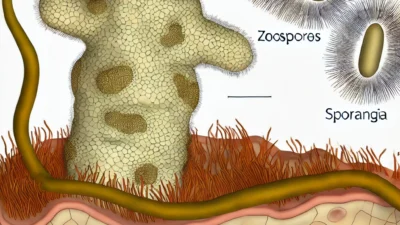
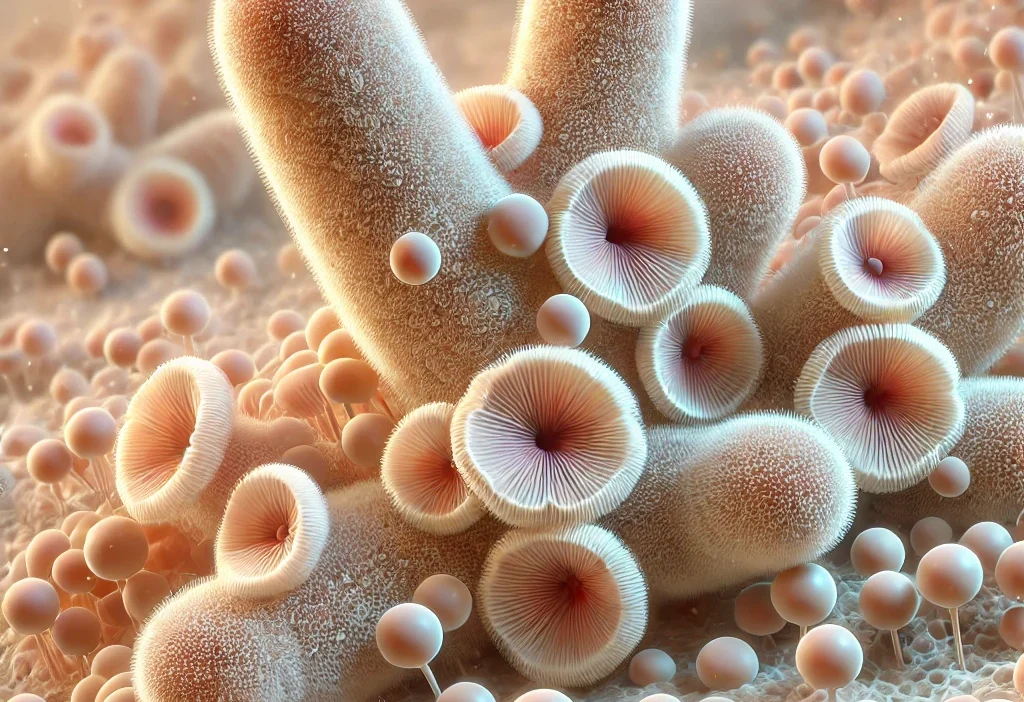
Histoplasma capsulatum is a type of fungus commonly found in soil and organic materials and can cause serious respiratory infections in humans.This fungus multiplies rapidly, especially in soils enriched with bird and bat feces, and infection is transmitted by inhalation of its airborne spores.This disease, known as histoplasmosis, usually affects the lungs and in some cases can lead to more serious systemic infections.In this article, we will discuss many aspects of Histoplasma capsulatum, from its characteristics to its ecological and cultural importance.What is Histoplasma capsulatum? Histoplasma capsulatum is a dimorphic mushroom species belonging to the Ascomycota phylum.Being dimorphic means that the fungus can exist in two different forms: in mold form in environmental conditions and in yeast form in the human body.Histoplasma capsulatum can cause infection in the human body when it reaches the lungs through inhalation.The name of this infection is known as histoplasmosis and it can cause serious problems, especially in individuals with weak immune systems.Scientific Name and Other Names of Histoplasma capsulatum This fungus, whose scientific name is Histoplasma capsulatum, means “growth in tissue” with the word “Histoplasma” and refers to the ability of the fungus to settle in tissue in the body.”Capsulatum” means “encapsulated”;however, this fungus does not appear encapsulated under the microscope.Histoplasma capsulatum infection is known medically as “histoplasmosis” and is sometimes colloquially referred to as “Cave Disease” or “Farmer’s Lung”.These names come from the fact that the infection is usually spread through contact with caves, farms and manure.Regions Where Histoplasma capsulatum Occurs Histoplasma capsulatum is common in certain warm and humid regions around the world.Especially Central and South America, the midwestern states of the USA (Mississippi and Ohio River Valleys) and certain regions of Africa are among the places where this fungus is frequently seen.Outbreaks of histoplasmosis are concentrated in these areas because the fungus can easily proliferate in soils enriched by bird and bat droppings.The presence of Histoplasma capsulatum has been detected in some regions in Turkey.However, this fungus is more common, especially in areas where bat caves are concentrated and in cities where pigeons are abundant.It is important to take precautions such as using a respirator in areas where the risk of disease is high, when entering caves or in areas where bird droppings are present.Physical Characteristics of Histoplasma capsulatum The microscopic structure of Histoplasma capsulatum and its behavior under environmental conditions are of great importance in its identification and understanding of the risk of infection:
- Spores (Microconidia):In environmental conditions, the fungus produces spores called microconidia.Since these spores are quite small and light, they can be easily transported in the air and enter the human body through respiration.
- Dimorphic Structure: While Histoplasma capsulatum is found in the environment in filamentous (mold) form, it is affected by temperature and nutritional conditions in the human body.It passes into yeast form under the influence ofThis feature allows the fungus to survive and infect the body.
- Colony Color: When grown in culture medium, colonies of Histoplasma capsulatum can have a color ranging from white to brown.However, when examined microscopically, spore structures become evident.
Growth Habitat and Season of Histoplasma capsulatum Histoplasma capsulatum is found especially in soils enriched with bird and bat feces. In soils rich in organic matter and moistIt multiplies rapidly in environments.The risk of infection increases among farmers and agricultural workers, especially during agricultural periods when contact with the soil is high.At the same time, in regions where cave tourism is carried out, the risk of disease increases with intense visits during the summer months.Interesting Facts about Histoplasma capsulatum
- Cave Disease: Histoplasmosis caused by Histoplasma capsulatum is also known as “Cave Disease” among the public.This name comes from the fact that the fungus is found in cave soils, especially enriched with bat feces.
- Relationship with the Immune System: While histoplasmosis is generally mild or symptomless in healthy individuals, it can cause serious respiratory tract infections and even serious infections in individuals with weak immune systems.may cause systemic infections.
- CapsuleIllusion: The name “Capsulatum” comes from the misconception that the fungus appears encapsulated under the microscope;However, the fungus does not actually have a capsule structure.This is considered an interesting historical inaccuracy in medical nomenclature.
Cultural Importance of Histoplasma capsulatum The cultural importance of Histoplasma capsulatum stems from the fact that it poses a health risk, especially in agricultural societies and regions where cave tourism is practiced..While caves and old buildings attract the attention of both nature enthusiasts and tourists, they are areas where caution should be exercised due to the risk of spreading this fungus.In agricultural communities, histoplasmosis caused by Histoplasma capsulatum is a known risk factor among farmers and livestock herders.Especially people who live with pigeons and poultry are at risk of contracting this disease.Therefore, it is important to take hygiene measures in agricultural and animal husbandry areas to prevent exposure to fungal spores.Consumption of Histoplasma capsulatum and Things to Be Careful About Histoplasma capsulatum is a type of mushroom that is not suitable for direct consumption and is dangerous for health.Spores of the fungus can cause histoplasmosis infection when they enter the lungs through inhalation.Therefore, using a mask in areas where bird and bat droppings are concentrated is important to reduce the risk of infection.In addition, it is recommended to use appropriate protective equipment when working in places such as construction sites, agricultural areas and caves, where soil and fertilizers containing fungi may enter the air.Inhaling fungal spores can pose a serious risk, especially for people with lung disease, and caution should be exercised.The Role of Histoplasma capsulatum in Nature Histoplasma capsulatum plays an important role in the ecosystem by helping the decomposition of organic materials in nature.It contributes to the nutrient cycle by breaking down organic matter.However, in this process, spore production of the fungus increases in soils enriched with bird and bat feces and has the potential to harm humans.This role of mushrooms in nature supports the nutrient cycle and becomes an element that requires attention for human health in agricultural and touristic areas.Therefore, determining the distribution areas of Histoplasma capsulatum and taking protective measures is important to maintain the balance between nature and human health.Histoplasma capsulatum and Its Importance in Health Histoplasma capsulatum is a type of fungus that is intensively researched in the field of medicine.Studies on the treatment of histoplasmosis, especially in immunocompromised patients (e.g., AIDS patients, organ transplant recipients), are of critical importance for the use of antifungal drugs.The Importance of Histoplasma capsulatum and its Effects on Health Histoplasma capsulatum is a type of fungus that is common in soil but has serious effects on human health.It is possible to minimize the negative effects of this fungus, which contributes to the nutrient cycle in natural ecosystems, on human health with appropriate protection methods and health measures.Frequently Asked Questions What is Histoplasma capsulatum?Histoplasma capsulatum is a type of fungus that is commonly found in soil and environments enriched with bird feces and can cause respiratory tract infections in humans.How is histoplasmosis transmitted?Spores of the fungus are carried in the air and enter the lungs through inhalation, where they cause infection.It is especially found in soils enriched with bird and bat feces.Who is at risk for histoplasmosis?People with weak immune systems, those with lung disease, and those who work in environments where fungal spores are concentrated are at risk.In which regions is Histoplasma capsulatum common?It is widespread in Central and South America, the Mississippi and Ohio River Valleys of the USA, Africa and Asia.In Turkey, it can be found in areas where bat caves and bird sanctuaries are located.Is Histoplasma capsulatum harmful to human health?Yes, it can cause serious infections called histoplasmosis, especially in individuals with weakened immune systems.How to take precautions against Histoplasma capsulatum?It is important to use a mask, avoid dusty environments and pay attention to hygiene rules in areas where fungal spores are concentrated, such as caves and bird shelters…