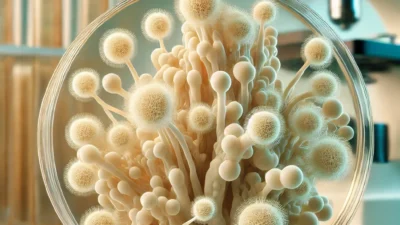
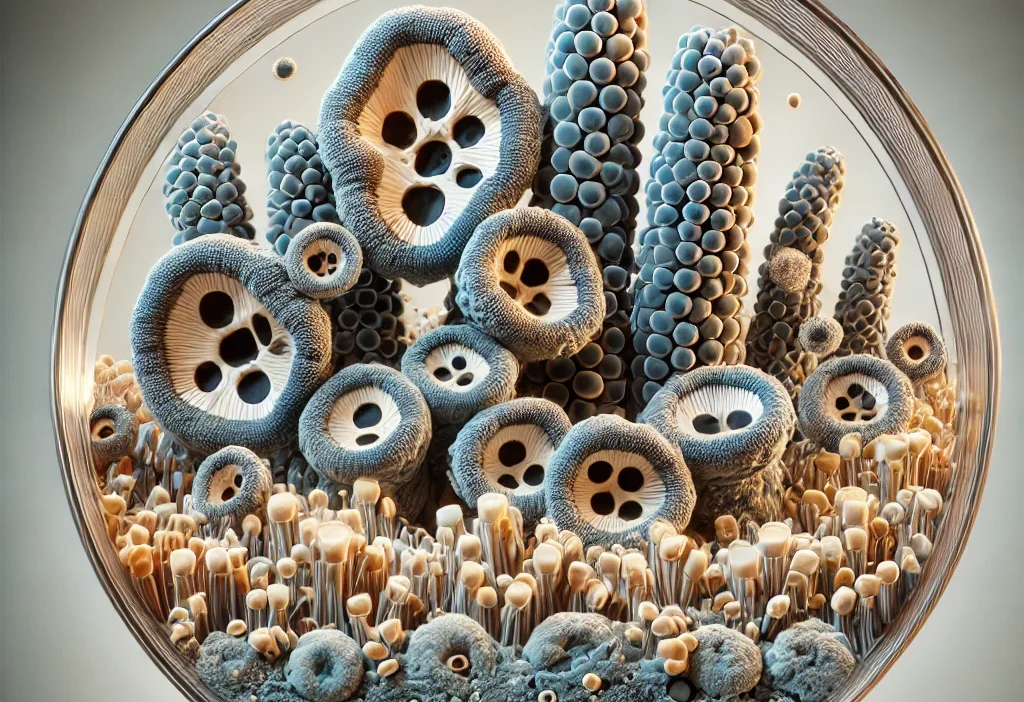
Ustilago maydis, popularly known as “Corn Raspberry”, is a type of fungus that infects corn plants.It can cause economic losses in corn agriculture and is consumed as a special delicacy in some cultures.Although this mushroom, known as “huitlacoche” in Mexican cuisine, has gastronomic value, it is considered a disease agent in agriculture.In this article, we will discuss many aspects of Ustilago maydis, from its characteristics to its habitat and cultural significance.What is Ustilago maydis? Ustilago maydis is a type of fungus belonging to the phylum Basidiomycota and specifically targets corn plants.The fungus infects the plant by forming gray and black swellings on the corn cob, leaves and stem.These swollen structures are places where the spores of the fungus accumulate densely.While corn scab infection can cause significant economic losses in agricultural production, it has gastronomic value in some cultures.Scientific Name and Other Names of Ustilago maydis This mushroom, whose scientific name is Ustilago maydis, is commonly known as “Corn Rastık”.In Mexico, it is known as huitlacoche and is considered a delicious mushroom.The word “Ustilago” means “soot” in Latin and describes the dark and powdery structure of the fungus’ spores.”Maydis” means corn, indicating that the fungus specifically targets corn plants.Regions Where Ustilago maydis Occurs Ustilago maydis can be seen wherever corn is grown.This fungus is especially common in North and Central America.Mexico is the most important country where this mushroom is both seen naturally and evaluated gastronomically.However, Ustilago maydis infections are also encountered in European, Asian and African countries where corn is grown.In Turkey, the Black Sea Region, where corn cultivation is intense, is among the places where this mushroom can be seen.Physical Characteristics of Ustilago maydis The physical characteristics of Corn Raspberry cause distinct changes in the plant it infects and are therefore easily recognizable:
- Galls : FungusIt forms large, gray or black swellings (galls) on the cob, leaves and stem of the corn plant.These structures are the places where the spores of the fungus are collected.
- Spore Colors: The inside of the swellings are filled with dark black spores when mature.Spores can spread to the environment by being carried by wind or water.
- Mycelium: The fungus obtains nutrients from the plant through thin mycelium structures that penetrate the plant tissues.This negatively affects the growth rate and general health of the plant.
- Flavor Characteristic: Immature swellings offer a rich and earthy flavor when used in dishes.For this reason, it has high value in some culinary cultures.
Growing Environment and Season of Ustilago maydis Corn Raspberry has ideal conditions to grow in hot and humid climates.It can spread rapidly in corn fields, especially during the summer months.The fungus initiates infection by transmitting its spores to open wound areas of the corn plant as it grows.In corn fields, mechanical injuries, insect bites and other environmental factors make it easier for the fungus to infect the plant.Spores of the fungus can spread into the environment through wind and rain, causing the infection to be carried from one field to another.Interesting Facts about Ustilago maydis
- Consumed as Huitlacoche in Mexico: In Mexico, Ustilago maydis is known as “huitlacoche” and is considered a more valuable product than corn.However, in Mexico, this mushroom is a delicacy that can be sold at high prices in luxury restaurants.
- Model Organism for Genetic Studies: Ustilago maydis is used as a model organism for genetic research in biology and agricultural sciences.Huitlacoche, which has an important place especially in Mexican cuisine, is also called “Corn Truffle” and is considered a luxurious delicacy.It is also rich in nutritional value due to its high protein and mineral content.A cultural food for Mexicans, huitlacoche is considered an essential part of traditional dishes.However, for corn producers outside Mexico, this fungus is considered a disease that causes yield loss.It can lead to significant losses in corn production, creating an economic burden for farmers.Therefore, the cultural importance of Ustilago maydis varies depending on the geography where it is grown and the perspective of the societies in that region towards the mushroom.Consumption of Ustilago maydis and Things to Consider The immature swellings of Ustilago maydis, called huitlacoche, are consumed as a delicious mushroom in Mexico and some Latin American countries.However, the mature and spore-filled state of the mushroom is not suitable for food.Freshly collected young galls can be used in cooking.The flavor of Huitlacoche offers a rich, earthy aroma reminiscent of truffles.Its high protein content makes it a nutritious mushroom.However, since the spores of this fungus can accelerate its spread in agricultural areas, it is important to carry out controlled harvesting and prevent its spread.While the cultivation of huitlacoche creates an economic opportunity, especially in Mexico, careful precautions must be taken to limit the spread of the fungus in other regions.The Role of Ustilago maydis in Nature In nature, the effect of Ustilago maydis on plants as a parasite is important for the balance of the ecosystem.Corn grouse naturally controls maize populations and contributes to biodiversity.However, its uncontrolled spread in agricultural areas can lead to serious losses in corn production.Therefore, studies are being carried out on biological control methods and the development of resistant corn varieties to reduce the effects of Ustilago maydis in agriculture.Ustilago maydis and Agricultural Control Agricultural control against Corn Raspberry focuses on preventing the spread of the fungus and treating infected plants:
- Use of Resistant Varieties: Ustilago maydis’Developing e-resistant maize varieties is an important strategy to limit the spread of the fungus in agricultural areas.
- Cultural Precautions: Using appropriate irrigation and fertilization methods in corn planting can protect the health of plants and increase their resistance to fungal infections.Additionally, removing infected plants from the field helps prevent the spread of the fungus.
- Chemical Control: The use of fungicides can be effective in controlling Ustilago maydis.However, the environmental effects of chemical control methods should be taken into consideration and applied carefully.
The Importance of Ustilago maydis and its Effects on Agriculture Ustilago maydis (Corn Raspberry),It presents an interesting paradox in terms of agriculture and culture. From the perspective of agricultural sciences, the management of infections caused by this fungus and the development of resistant varieties are important.carries.Ustilago maydis is an important example to understand the relationship between agricultural production and cultural wealth.Frequently Asked Questions What is Ustilago maydis?Ustilago maydis is a type of fungus that infects corn plants and creates gray and black swellings on the corn cobs.How to propagate Corn Raspberry?Spores of the fungus spread through wind and water and infect the plant through open wounds on corn plants, initiating infection.It is known for its high nutritional value and rich aroma.Is Corn Raspberry harmful to human health?When consumed as huitlacoche, immature bulges are nutritious and safe.However, mature and spore-filled structures are not suitable for consumption.How to take precautions against Corn Rastik?Chemical and biological control methods are used to plant resistant corn varieties, appropriate agricultural practices and control the spread of the fungus.Why is Ustilago maydis culturally important?In Mexico, this mushroom is considered a gastronomic delicacy and is used in traditional dishes.At the same time, it has economic importance due to its agricultural damage…