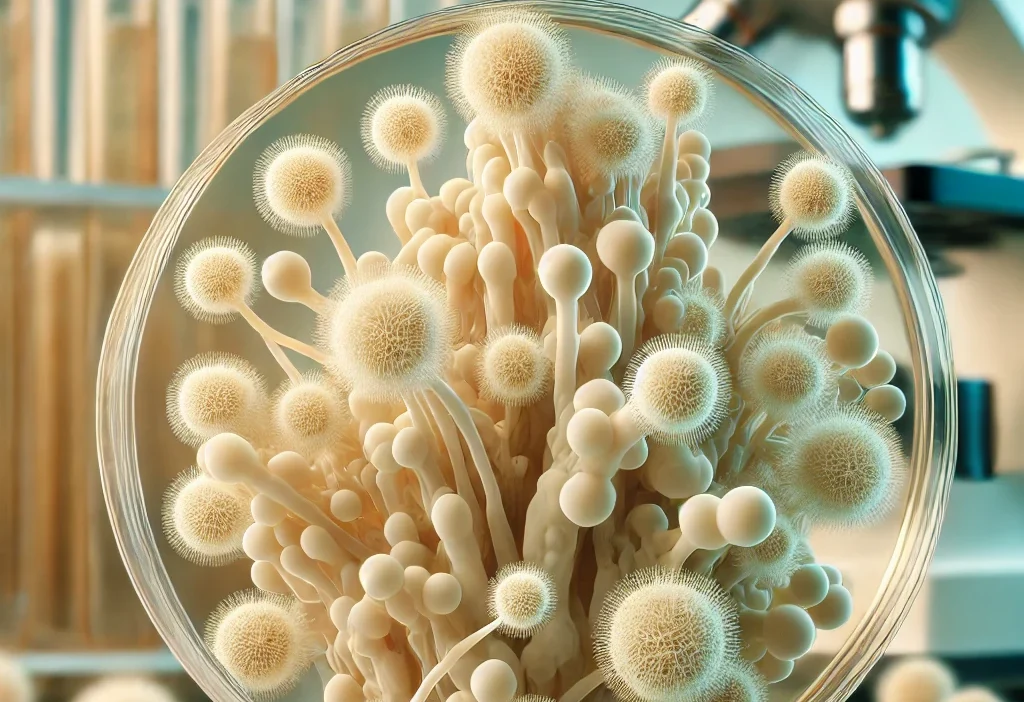
Candida albicans is a type of fungus that is commonly found in the human body and can cause opportunistic infections.While this fungus is normally found in the body’s flora balance without any problems, it can cause infections when the balance is disrupted due to various factors.In this article, we will talk about the characteristics of Candida albicans, its common occurrences and its cultural importance.What is Candida albicans? Candida albicans is a type of yeast fungus belonging to the Ascomycota phylum.This fungus occurs naturally in the human body and is generally found at low levels in the mouth, intestines, skin and genital areas.However, when the immune system is weakened or the body’s natural flora is disrupted, Candida albicans can multiply rapidly and cause infections.These infections are medically referred to as candidiasis.Scientific Name and Other Names of Candida albicans Candida albicans is a name of Latin origin.”Candida” means “white” and is named after the white colonies the fungus forms.”Albicans” means “whitening”.It is generally known as “thrush” among the public.The term thrush refers to white lesions that occur primarily in the mouth and in infants.It is also the leading cause of vaginal infections known as “vulvovaginal candidiasis.”Regions Where Candida albicans Occurs Candida albicans is a common fungus species around the world.Because it is found in the normal flora of the human body, conditions that cause infection can occur everywhere.Candida infections are more common, especially in hot and humid climates.However, it is more common in immunocompromised patients in hospital settings and intensive care units.The risk is higher in diabetic patients, HIV-positive individuals, those undergoing chemotherapy, and those for whom antibiotic use is common.Physical Characteristics of Candida albicans Candida albicans is a microscopic yeast fungus and has a single-celled structure:
- Structure: It is found in round or oval-shaped cells.It can occur in two different forms: yeast form and hyphal form.Its hyphal form allows it to adhere better to the tissue with its threadlike structure.
- Colony Color: It forms white or cream colored colonies in the culture medium.This feature is an important clue for diagnosis.
- Tissue Penetration Ability: Candida albicans can penetrate deeply into host tissues using its hyphal structure, which may cause the infection to aggravate.
- Reproduction Method: It reproduces rapidly through budding.This mode of reproduction allows it to spread quickly and cause infection.
Growing Habitat and Season of Candida albicans The main growth medium of Candida albicans is the mucosal surfaces of humans and animals.It develops more easily in moist, warm and dark areas of the body.Infections usually occur when the immune system is weakened or after the use of antibiotics.In summer months and in humid areas, the likelihood of skin fungal infections increases.However, this fungus can persist in the body’s natural flora throughout the year.Interesting Facts about Candida albicans
- Relationship with the Immune System: Candida albicans is normally kept under control by the immune system.However, when the immune system is weakened, the fungus multiplies rapidly and causes infections.For this reason, AIDS patients, people undergoing cancer treatment and organ transplant recipients are more vulnerable to Candida infections.
- Effect of Antibiotic Use: Broad-spectrum antibiotics disrupt the natural bacterial balance in the body, thus preventing the overgrowth of Candida albicans.Fermented foods such as yogurt and kefir may limit the growth of Candida.
Cultural Importance of Candida albicans Candida albicans is not only a medical problem, but also has an important place in societies’ perception of health.Throughout history, many studies have been conducted on the causes and treatment methods of such infections and various herbal treatments have been tried.In some cultures, Candida infections are attempted to be controlled through dietary habits and lifestyle changes.For example, low-carb diets are recommended to limit the feeding of Candida.However, the scientific validity of such approaches may be controversial.Consumption of Candida albicans and Things to Consider Candida albicans is not a mushroom that should be consumed directly.Overgrowth of this fungus in the human body causes health problems.Therefore, keeping Candida albicans under control is essential for a healthy immune system and balanced flora.Particularly paying attention to hygiene rules, eating a balanced diet and avoiding unnecessary antibiotic use are important in keeping Candida under control.Candida Albicans and the Immune System Candida albicans has a complex interaction with the immune system.The immune system develops certain defense mechanisms to control the overgrowth of this fungus.However, when the immune system is weakened, control of this fungus is lost and infections occur.For example, Candida infections are common in HIV/AIDS patients or people taking immunosuppressant medications after organ transplantation.Treatment of Candida Albicans Infections Treatment of Candida infections varies depending on the location of the infection and its severity.While antifungal mouthwashes are used for oral thrush, antifungal creams or vaginal tablets are preferred for vaginal infections.In more serious systemic infections, oral or intravenous antifungal drugs are used.During treatment, probiotic supplements can help restore the natural intestinal flora.The Role of Candida albicans in Nature Although Candida albicans is a naturally occurring organism in the human body, it causes infections when it multiplies excessively.This shows how Candida plays a role in the ecological balance in the human body.The fungus is harmless under normal conditions as part of the body’s microflora.But when the balance is disturbed, it becomes pathogenic, leading to health problems.This highlights the importance of the body’s microbial balance.Candida Albicans and the Role of Probiotics The use of probiotics to prevent the overgrowth of Candida albicans is quite common.Probiotics can limit the proliferation of Candida by supporting the proliferation of beneficial bacteria in the intestinal flora.Especially yoghurt, kefir and fermented foods contribute to intestinal health with their probiotic content.However, the effects of probiotics may vary from person to person and should be used with the advice of a professional healthcare consultant.The Importance of Candida albicans and Its Effects on Health Candida albicans is a type of fungus that is naturally found in the human body and has significant effects on various health conditions.When balance is achieved in the body flora, the presence of Candida is harmless. Research on the effects and treatment methods of Candida allows us to learn more about the biology of the fungus.Increasing health awareness and adopting a balanced lifestyle plays an important role in preventing Candida infections…