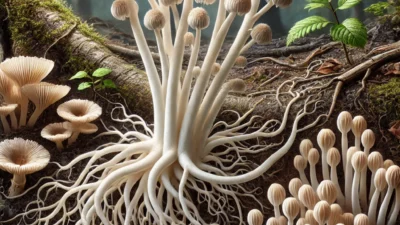
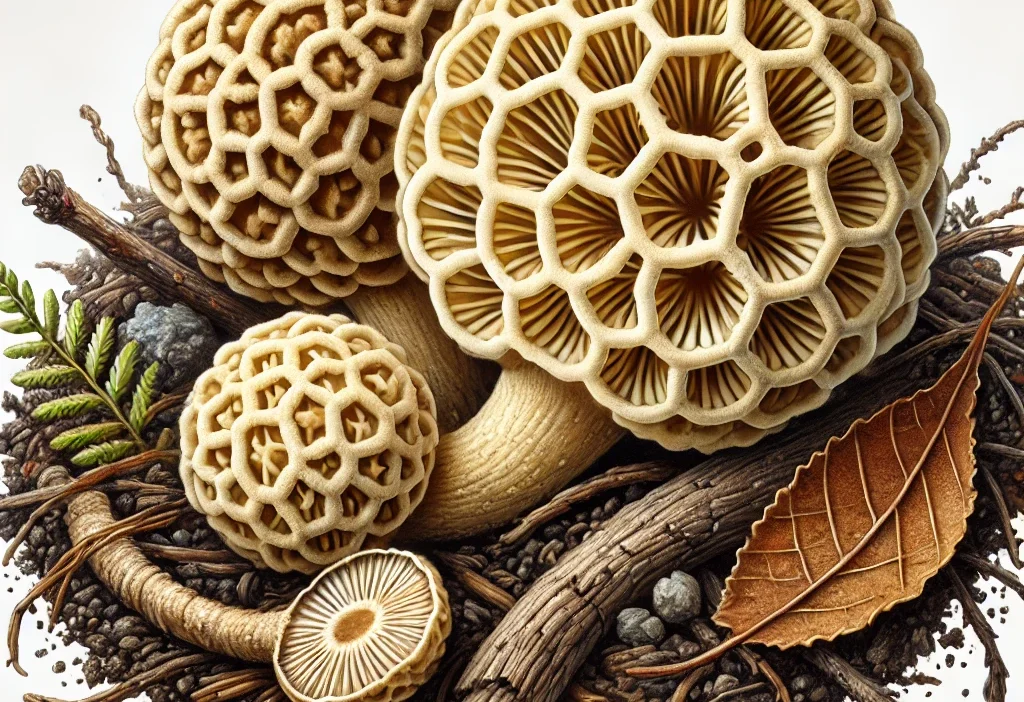
Rhizopogon species, are a group of fungi that belong to the phylum Basidiomycota and establish a tight ectomycorrhizal relationship with pine trees.These fungi, which have an important role in nature, especially in forest ecosystems, establish a symbiotic relationship with plant roots, facilitating their access to water and nutrients.Rhizopogon species attract attention with their tuberous structures underground and contribute greatly to the development of pine forests.In addition to contributing to the sustainability of ecosystems, mushrooms are also frequently studied in scientific research.Here are all the details you need to know about Rhizopogon species!Scientific Name and Other Names of Rhizopogon Species These mushrooms, which scientifically belong to the Rhizopogon genus, are in the Rhizopogonaceae family of the Basidiomycota phylum.The most well-known Rhizopogon species are Rhizopogon roseolus, Rhizopogon luteolus and Rhizopogon rubescens.Rhizopogon mushrooms are also known as “false truffles” due to their underground growing and tuber-like structure.However, unlike true truffles, the ectomycorrhizal associations of Rhizopogon species are restricted to pine species.The name of these mushrooms is derived from the Greek words “rhizo” (root) and “pogon” (beard), indicating their close relationship with roots.Rhizopogon fungi provide water and mineral transport by creating a network-like structure, especially around plant roots, and thus help trees grow.Regions Where Rhizopogon Species Occur Rhizopogon species are widely found in pine forests where temperate climates prevail throughout the world.They survive in various parts of continents such as North America, Europe, Asia and Australia, especially in areas where pine trees are dense.These fungi grow in soil enriched with leaf litter and organic matter beneath pine forests.In Turkey, Rhizopogon species are frequently seen, especially in pine forests in the Black Sea, Mediterranean and Aegean Regions.In these regions where pine trees are common, Rhizopogon fungi play an important role in maintaining the health of forest ecosystems.The presence of these fungi growing in the soil in the lower layers of forests increases the resilience of trees to environmental stresses such as drought.Physical Characteristics of Rhizopogon Species Rhizopogon species is a genus of fungi that develops underground and forms tuber-like structures.The fruit bodies of these mushrooms are generally round or oval in shape and their sizes can vary from a few centimeters to 10 cm.The outer surface of the fruit bodies may be thin, smooth or slightly rough and may have brown, yellowish or reddish colours.Since they grow underground, they are usually not directly visible to the eye and must be found by carefully searching underground.The interior of Rhizopogon mushrooms is fleshy and varies in color from white to yellow.This structure houses the spore-producing part of the fungus and releases the spores as it matures.Hyphae of Rhizopogon fungi attach to plant roots, forming an ectomycorrhizal structure.These hyphae wrap around the root system, facilitating nutrient exchange between the plant and the fungus.When examined under the microscope, the spore structures of Rhizopogon fungi appear to be elliptical or round in shape.These spores enable the fungus to spread and can be dispersed over a wide area in the soil.These spore structures of Rhizopogon fungi make it possible to form new symbiotic relationships by connecting with the roots in the soil. They grow among leaf litter, rotten branches and woody materials under pine forests and establish a close symbiotic relationship with plant roots.The periods when these mushrooms are most commonly seen are spring and autumn.During these periods, as precipitation increases, soil moisture increases and the growth of Rhizopogon species accelerates.Their activity may decrease during the summer months due to drought, but they become active again when the humidity level increases again.The sheltered structure of Rhizopogon fungi in the soil allows them to survive even in cold weather conditions.The Role of Rhizopogon Species on the Ecosystem Rhizopogon species play a critical role in the healthy functioning of forest ecosystems.These fungi increase the plants’ uptake of water and nutrients from the soil, thanks to the ectomycorrhizal relationships they establish with tree roots.They ensure the transport of minerals, especially phosphorus and nitrogen, which are important for plants, from the soil to the plant.This feature supports the growth rate and healthy development of pine forests.The ability of Rhizopogon fungi to improve soil structure and increase water retention capacity also helps maintain the water balance of forests.Hyphae structures create microscopic channels in the soil, allowing water to move more evenly.This makes it easier for trees to access water during dry periods and helps them cope with drought stress.In addition, these fungi accelerate the cycle of organic matter in the soil, ensure the recycling of nutrients and increase the biodiversity of the soil.Agricultural and Economic Importance of Rhizopogon Species Although Rhizopogon species are not directly used in agricultural practices, they are of great importance in terms of protecting the health of pine forests and sustainable forest management.Thanks to their ectomycorrhizal relationships, they contribute to the rapid growth of pine trees and their resistance to environmental stresses.These features provide a great advantage in forest protection and afforestation efforts.Rhizopogon fungi also contribute to maintaining biodiversity, which is important for keeping forest ecosystems healthy.In natural forests, the presence of Rhizopogon species supports the long-term health of forests by improving soil structure.Moreover, some types of these mushrooms may have a special place in local markets and in the world of gastronomy.Interesting Information and Cultural Importance Rhizopogon species have an important place in the understanding of mycorrhizal symbioses in the scientific world.The special relationships they establish with pine trees provide valuable information for understanding how nutrient cycles in nature work.By studying the interactions of these fungi with their root systems, scientists have better understood the importance of plant-fungus symbiosis in ecosystems.Culturally, Rhizopogon species are recognized and valued by local people in some regions.Especially in places where mushroom picking culture is widespread, these mushrooms are considered an indicator of the healthy functioning of nature.The protection and sustainable management of pine forests becomes more possible thanks to the benefits provided by mycorrhizal fungi such as Rhizopogon.Rhizopogon species have an indispensable place in maintaining the health of forest ecosystems and supporting the growth of pine trees.The symbiotic relationships they establish with plant roots increase their nutrient intake and contribute to keeping natural ecosystems in balance.Frequently Asked Questions What are Rhizopogon species?Rhizopogon species are a genus of fungi that establish an ectomycorrhizal relationship with the roots of pine trees and support their water and nutrient intake.They are frequently seen in the Black Sea, Mediterranean and Aegean regions of Turkey.What are the contributions of Rhizopogon species to the ecosystem?It improves the structure of the soil, facilitates plants’ access to water and nutrients, and increases biodiversity.Which plants do Rhizopogon species form a symbiotic relationship with?It has a tight symbiotic relationship with pine trees and some other conifers and supports their growth.How are Rhizopogon fungi used in agriculture?Although they do not have a direct agricultural use, they have an important place with the benefits they provide in the protection of pine forests and afforestation efforts.Why are Rhizopogon species important for forest health?The ectomycorrhizal relationships established with plant roots contribute to the healthy growth of forest trees and the preservation of the biological diversity of ecosystems…
Tricholoma Species (Tricholoma)
Tricholoma species is a genus of fungi that is widely found in forest ecosystems and establishes symbiotic relationships with various tree…