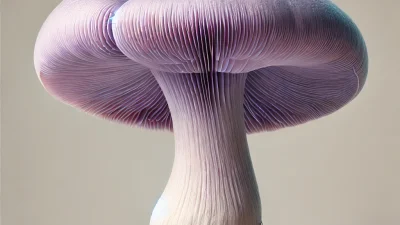

Porcini mushroom, scientifically known as Boletus edulis, is a world-famous type of mushroom with its taste and nutritional value.This mushroom, which has a special place in Italian cuisine, is also widely consumed in different culinary cultures.In this article, you can find many details about the porcini mushroom, from its physical properties to its growing environment, from interesting information to its cultural importance.Porcini Mushroom: Scientific Name and Other Names The scientific name of porcini mushroom is Boletus edulis.However, it is referred to by various names in different geographies and cultures.For example:
- In Italian it is known as “Porcino” or “Porcini”.
- In English it is called “King Bolete” or “Penny Bun”.
- In German, it is known as “Steinpilz”.
These names refer to the mushroomIt varies depending on the region where it grows and local cultures.In Turkey, it is generally referred to as “porcini mushroom”.Porcini Mushroom: Regions Where It Occurs and Its Physical Characteristics Porcini mushroom is a species that can be found naturally in many regions around the world.It is especially common in the forests of Europe, Asia and North America.In Turkey, it grows naturally in the Black Sea Region, Marmara Region and Mediterranean Region.The physical characteristics of this mushroom are as follows:
- Cape Color: The cap part is generally in shades of brown and is smooth and slightly sticky.
- Hat Diameter: A mature porciniThe cap diameter of the mushroom can vary between 10-30 cm.
- Stem: It has a thick and cylindrical structure.Its color varies from white to brown.
- Spores: The spores on its lower part are cream or yellow in color and take on a brown appearance as it ages.
Porcini Mushroom: Habitatand Season Porcini mushroom grows in forest areas, especially oak, beech and pine.It grows in a symbiotic relationship with the roots of trees.This species feeds and grows by utilizing tree roots, thanks to a type of symbiotic relationship called mycorrhiza.
- Growth Habitat: It generally prefers moist and well-drained soils.It is often found at the base of trees in deciduous and coniferous forests.
- Growing Season: Porcini mushrooms grow from late summer to autumn.In Turkey, this period is generally between August and November.The most suitable times to collect mushrooms during this period are the periods when soil moisture increases after the rains.
Interesting Information About Porcini Mushroom Porcini mushroom attracts attention not only with its taste but also with its interesting properties and uses:
- Nutritional Value: Porcini mushroom is rich in protein andTherefore, it is a frequently preferred protein source in vegetarian and vegan diets.It is also rich in minerals such as B vitamins, iron and zinc.
- Flavor and Usage: Porcini mushroom has an intense and earthy aroma.It can be consumed fresh, dried or canned.It adds a unique flavor to dishes such as risotto, soup and pasta.
- Natural Antibiotic Feature: Thanks to some components it contains, it can help strengthen the immune system and protect the body against infections.
Porcini Mushroom: Cultural Importance and Use Porcini mushroom, especially in Italian cuisineis of great importance.Porcini mushrooms have an important place in mushroom festivals held in Italy.Additionally, the dried form of this mushroom can be stored to be used in different recipes throughout the year. Additionally, this type of mushroom adds flavor to sauces and soups.
- Correct Identification: When collecting porcini mushrooms, care should be taken to avoid confusing them with poisonous mushroom species that have a similar appearance.Some species, such as Boletus satanas, resemble porcini, but can be poisonous.
- Collection Ethics: In order not to harm the forest ecosystem, you should only collect as many mushrooms as you need and be careful not to damage the roots while collecting the mushrooms.
How to Make Porcini MushroomsHow to store? Storing freshly picked porcini mushrooms correctly is important to preserve their flavour.Fresh mushrooms should be consumed within a short time.However, you can choose the drying method to store it for a longer period of time.
- Fresh Storage: You can store fresh mushrooms in the refrigerator in a perforated bag for 2-3 days.
- Drying Method: Dried porcini mushrooms, airtightIt can be stored in containers for a long time and reused by soaking in water.
Frequently Asked Questions About Porcini Mushroom How to recognize porcini mushroom?To recognize the porcini mushroom, you can look at its striking structure with its brown cap, thick white stem and cream spore layer.Where are porcini mushrooms found?This mushroom grows in deciduous and coniferous forests, often at the base of oak, beech and pine trees.It is seen in Turkey, especially in the Black Sea and Marmara regions.Are porcini mushrooms poisonous?Porcini mushroom is an edible species.However, caution should be exercised as there is a risk of confusion with similar-looking poisonous species.How to cook porcini mushrooms?Porcini mushrooms can be used in soups, risottos, pasta sauces and sauté recipes.While it can be cooked fresh, its dried form also provides a delicious aroma in dishes.When to collect porcini mushrooms?It can be collected from the end of summer to the end of autumn, especially after the rains, when the soil is moist.How to dry and store porcini mushrooms?For drying, mushrooms cut into thin slices can be dried in the sun or in the oven at low temperature and then stored in airtight containers.Porcini Mushroom, Delicious Gift of Nature Porcini mushroom is a type of mushroom that deserves to find a place on our tables with its unique taste and nutritional content.This mushroom, which lives a unique life deep in the forests, inspires creative recipes in kitchens when identified and collected correctly.Porcini mushrooms, which grow naturally in different regions of Turkey, are both a gastronomic value and a pleasant reward for hiking enthusiasts…