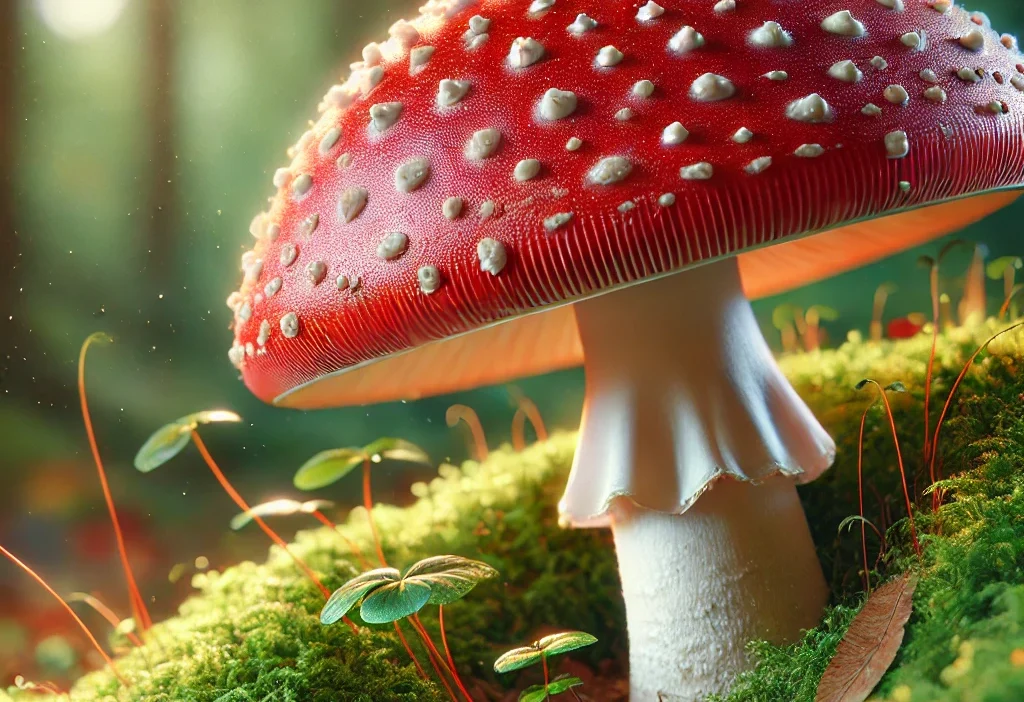
Amanita muscaria is one of the most remarkable mushrooms that nature has to offer.Known for its bright red cap and white spots, this mushroom has been featured in many cultures throughout history and has been an entity of both scientific and cultural interest.Although poisonous, Amanita muscaria, which has high mystical and aesthetic value, is frequently encountered in nature.In this article, we will make a comprehensive review of this unique mushroom, from its scientific properties to the environment and seasons in which it grows and its cultural importance.Scientific Name: Amanita muscaria Amanita muscaria is a species known by its scientific name and popularly known as “fly agaric”.The Latin name “muscaria” means “fly” and the reason for this name is that this mushroom has a drug effect on flies.It is also referred to in the “poisonous mushroom” category due to its poisonous nature.This mushroom-specific name derives from its use in the past to kill flies.Other Names Amanita muscaria has many known names.While it is called “Fly Agaric” in some cultures, it is also called “red fly agaric” or “fairy ring mushroom” in some regions.In Turkey, it is generally known as “red fly agaric”.Various cultural influences have caused this mushroom to be known by many different names.Regions Where It Occurs and Its Physical Characteristics Amanita muscaria has a wide distribution throughout the world.Its main areas of occurrence include the forested areas of Europe, North America, Asia and Australia.In Turkey, it is frequently found in moist forest areas in the Black Sea Region.It usually grows under pine, spruce and beech trees.The physical characteristics of this mushroom have distinct signs that distinguish it from other mushroom species:
- • Cape Color and Structure: It is usually bright red in color with white spots on it.These white spots are more noticeable in young mushrooms and may disappear over time due to the effects of rain and wind.
- • Dimensions: The cap diameter of Amanita muscaria varies between 8 and 20 cm.The lamellae under the hat are white and dense.
- • Stem and Ring: It has a white and thick stem.There is usually a ringed structure on the stem, which distinguishes it from other mushrooms.
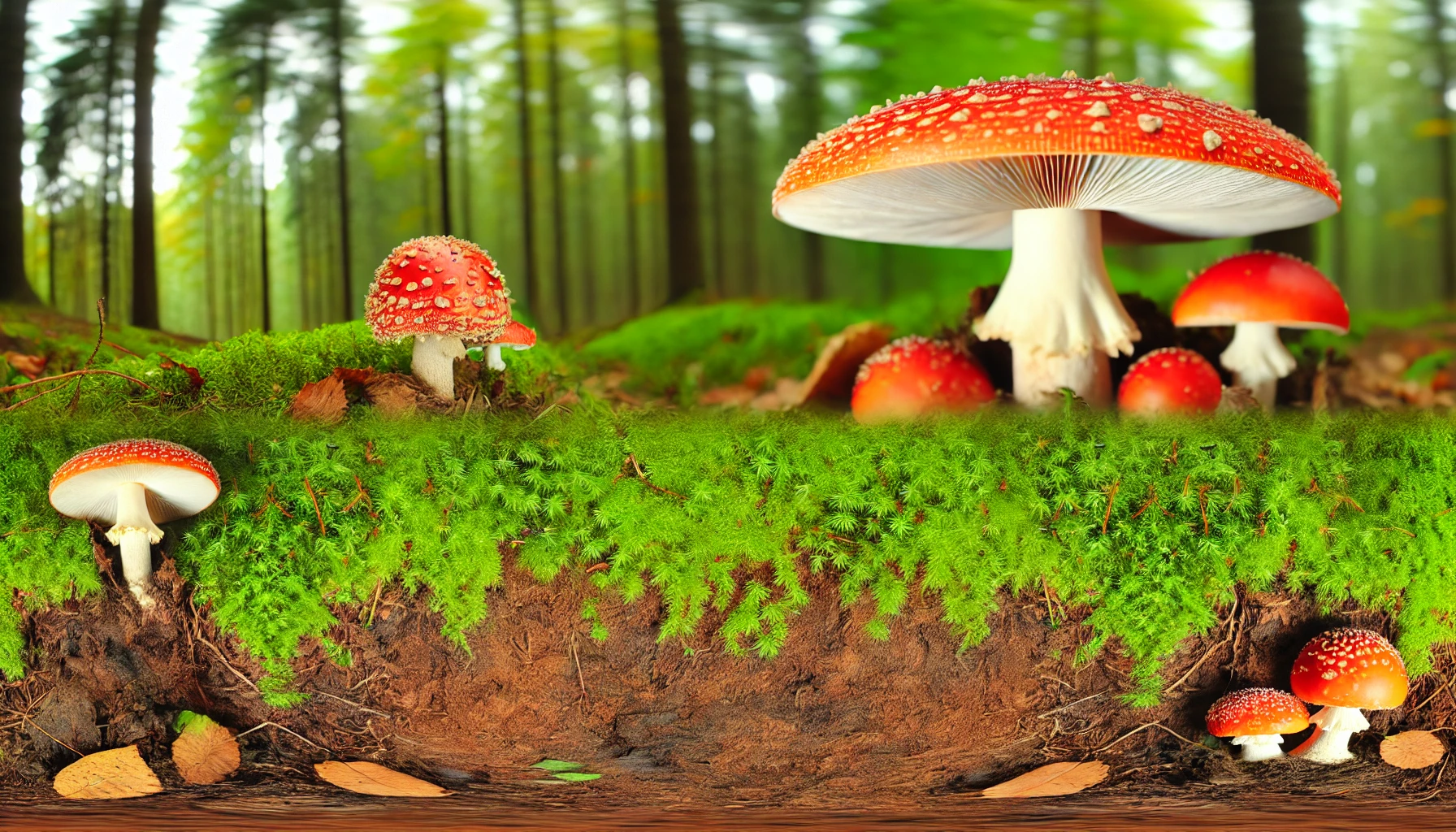 Growing Habitat and Season Amanita muscaria mushroom generally grows in moist and cool forest areas.As a habitat, it prefers soil rich in organic matter under trees such as pine, oak and beech.Amanita muscaria, a mycorrhizal fungus, obtains nutrients by establishing a symbiotic relationship with tree roots, and both the fungus and the tree benefit from this relationship.The season when this fungus is most commonly seen is autumn.It can be found abundantly in forest areas in September and October.However, it can also be observed in late summer when suitable conditions occur.It is important for those who want to collect the mushroom to remember that it is a poisonous species and to be careful about it.Interesting Information and Cultural Importance Amanita muscaria has a very interesting place in human history.With its bright and striking appearance, it has frequently appeared in fairy tales, mythologies and various works of art.For example, in European folklore, this mushroom was believed to be a door where fairies and spirits lived.That’s why it is also known as the “fairy ring”.Some Siberian and North American indigenous tribes used Amanita muscaria in religious rituals. However, such uses are quite risky and can lead to serious health problems.The ibotenic acid and muscimol substances contained in it are components that are effective on the nervous system.These chemicals can cause hallucinations, nausea, sweating, and dizziness.It is much more dangerous, especially for children and pets.Symptoms of Amanita muscaria poisoning usually appear a few hours after consumption and are manifested by symptoms such as severe vomiting, diarrhea and headache.Therefore, it is extremely important to be informed that this mushroom should not be eaten when encountered in nature.Nutritional Value of Amanita muscaria and Its Place in the Kitchen Although it is dried and consumed in some cultures, the presence of Amanita muscaria in the culinary world is extremely limited.It is not recommended for direct consumption due to its toxic properties.However, in some regions, efforts were made to reduce the effects of toxins by long-term drying and it was used in this way.However, these methods do not provide absolute safety and therefore kitchen use is generally not recommended.Amanita muscaria and its Role in the Ecosystem Amanita muscaria, as one of the mycorrhizal mushroom species in nature, plays an important role in the forest ecosystem.It establishes a symbiotic relationship with tree roots and increases their water and nutrient intake.In this process, the fungus takes the carbohydrates produced through photosynthesis from the trees and in return allows the trees to grow healthier.This relationship is of critical importance in maintaining the health of the forest ecosystem.Amanita muscaria as a Source of Cultural and Artistic Inspiration Amanita muscaria is a type of mushroom that is frequently featured in fairy tales and works of art.Especially in European fairy tales, it is depicted as an object on which forest fairies sit.In addition, it has also found a place in popular culture such as children’s books, postcards and even video games.The magical appearance of this mushroom continues to inspire artists.Amanita muscaria Mushroom Amanita muscaria is one of the most well-known species of the mushroom world with its unique appearance and poisonous structure.With its bright red hat and white spots, it offers a feast for the eyes in forest areas.However, caution should be exercised because it carries serious health risks beneath its beautiful exterior.Understanding the cultural importance of Amanita muscaria, its role in the ecosystem and the effects of the chemical components it contains provides information about nature and mushroom species.
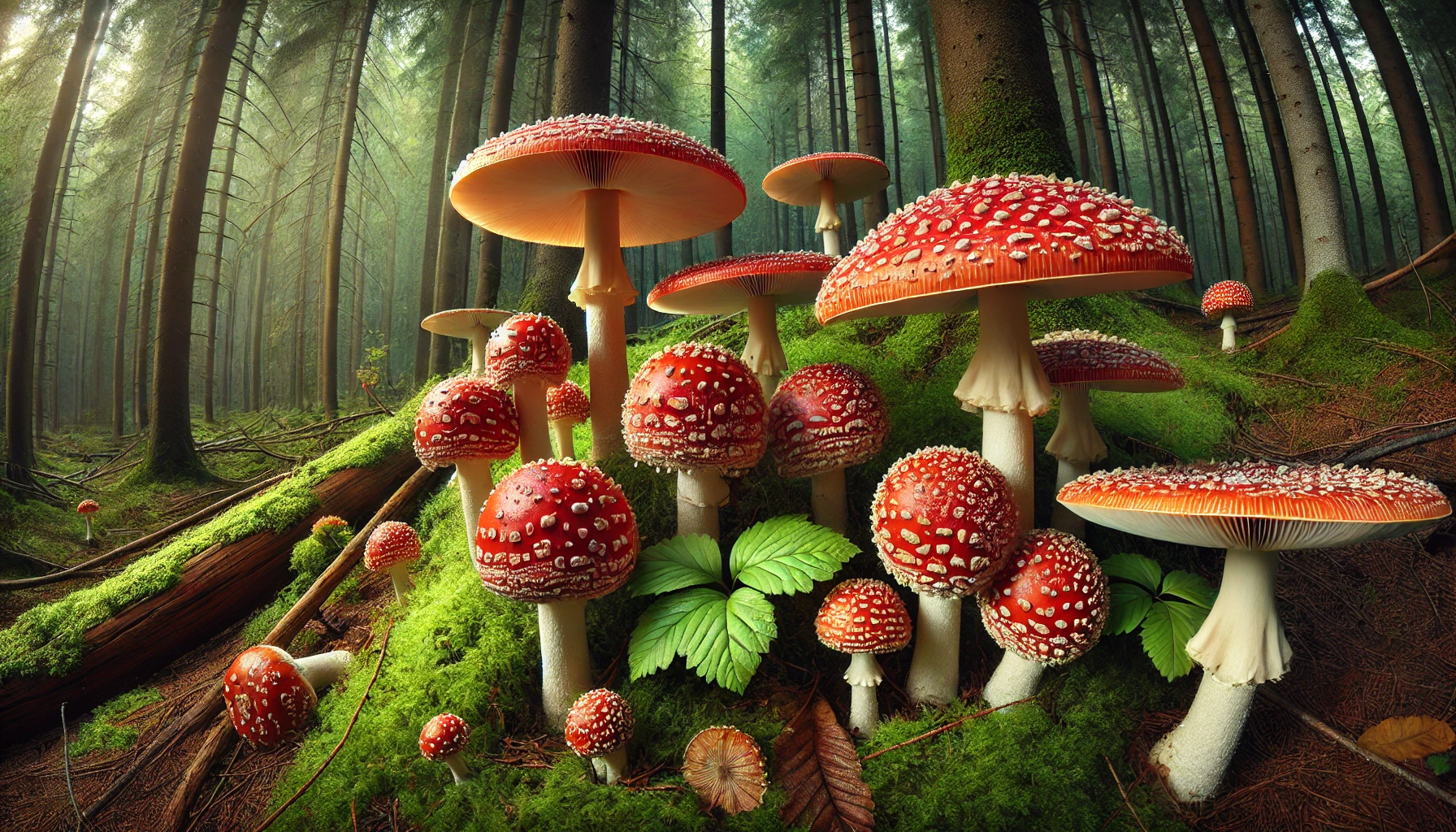 Frequently Asked Questions About Amanita muscaria Is Amanita muscaria poisonous?Yes, Amanita muscaria is a poisonous mushroom type and is not recommended for consumption due to the ibotenic acid and muscimol it contains.Where does Amanita muscaria grow?This mushroom grows in moist forest areas such as Europe, Asia, North America and the Black Sea Region of Turkey.How to recognize Amanita muscaria?It is easily recognized by its bright red cap and white spots.Additionally, it attracts attention with its white and thick stem.Why is Amanita muscaria culturally important?In many cultures, it has been used in rituals due to its mystical properties and is associated with fairies in fairy tales.How to use Amanita muscaria?Since it is poisonous, direct consumption is dangerous.However, in some cultures, attempts have been made to reduce their toxins by drying them. Amanita muscaria is an interesting and remarkable face of nature.This mushroom, which must be approached with caution due to its poisonous nature, is also of cultural and ecological importance.Exploring and understanding nature is possible by having knowledge about these species.